



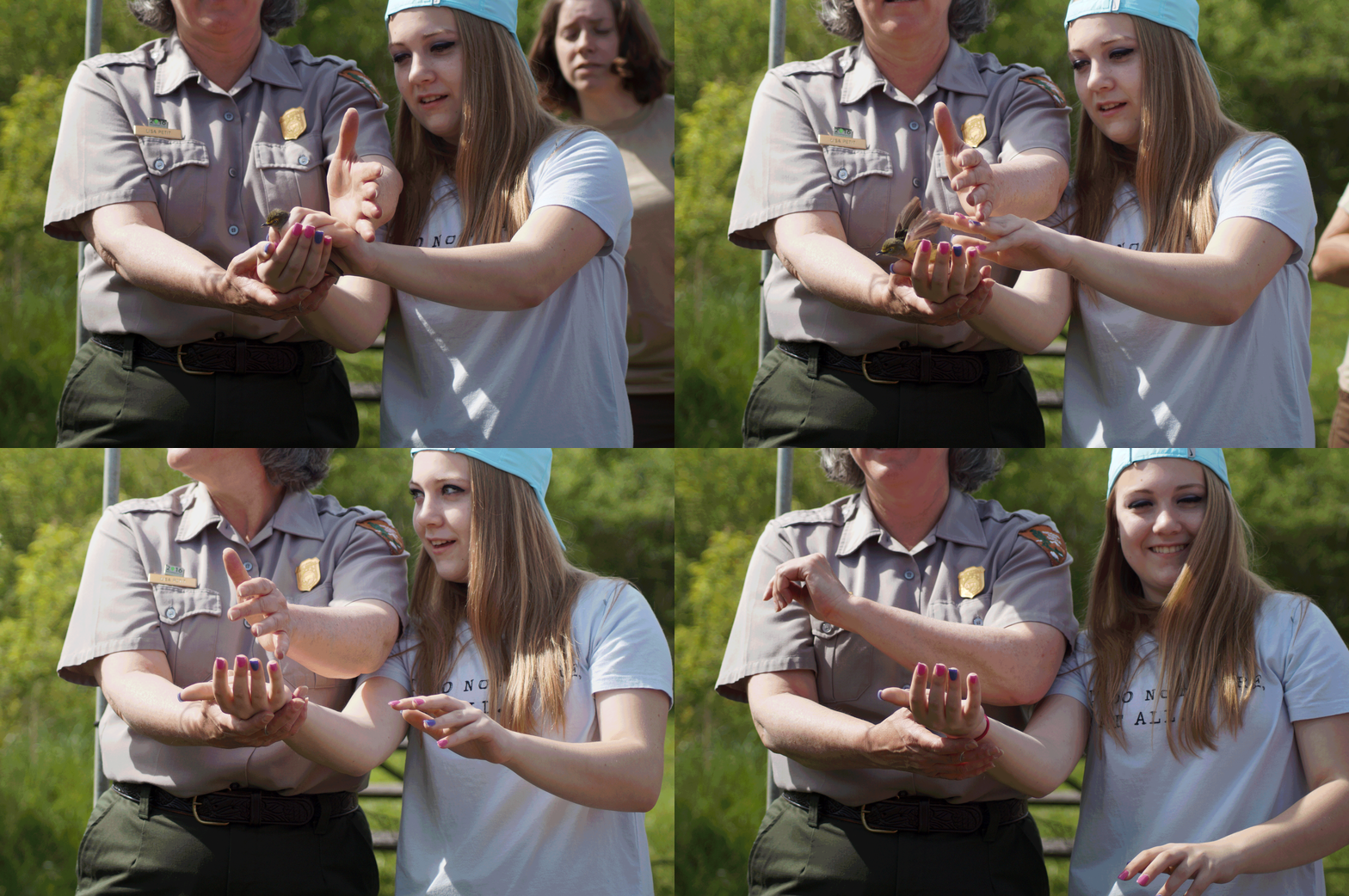
NPS / Sue Simenc Citizen scientists are people just like you who voluntarily collect data to answer real-world questions. In national parks, they contribute information that helps the National Park Service make decisions. Sometimes citizen scientists work side-by-side with professional scientists. Others might work independently for years, or contribute to a project at a single drop-in event. There is a debate over whether community science is a better term (since you don't need to be a citizen to participate), or if that means something a bit different. Regardless, all are welcome. Get InvolvedOur national park is involved with several ongoing citizen science projects. Here are ways that you can participate. Take a PhotoThis opportunity is a snap! We have four Chronolog photo stations in Cuyahoga Valley. The sites are Kendall Lake, the Towpath Trail at Stumpy Basin (south of Boston Trailhead), Lock 29 Trailhead in Peninsula, and Beaver Marsh. We’re planning to manage invasive plants more intensely at these locations. This is part of a long-term effort to restore the Great Lakes. US Fish & Wildlife Service, The Nature Conservancy, and Great Lakes Restoration are project partners. By contributing to these photo stations, you can help document the successes and changes at each place over time before and after the habitat restoration work has been completed. Report Forest PestsWhen you visit Cuyahoga Valley, we encourage you to report sightings of two spreading threats to our forests: hemlock woolly adelgid (a non-native insect) and beech leaf disease (caused by a non-native, worm-like nematode). Researchers at Holden Forests & Gardens lead both studies. Report your observations on EDDmapS.org or iNaturalist to help scientists monitor the progression in Northeast Ohio. For more information, visit their Forest Pests & Diseases page. Become a VolunteerOur Citizen Science Volunteers are involved in long-term studies of birds, butterflies, bats, trillium, and amphibians. Contact the park volunteer office by emailing volunteer@forcvnp.org to check for current openings. Engage Your Students or Youth GroupEducators and youth group leaders can bring their students to Cuyahoga Valley for service learning. Some past projects have focused on citizen science. Contact the park volunteer office by emailing volunteer@forcvnp.org to discuss how we might work together. |
Last updated: January 16, 2026