



News Release
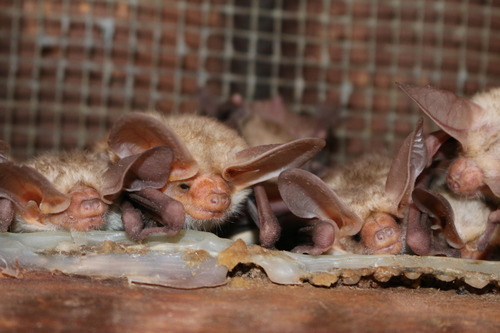
NPS photo
News Release Date: June 25, 2026
WHITE SANDS NATIONAL PARK, N.M. – White Sands National Park is trying to contact a visitor who handled a dead bat with bare hands and brought it into the park visitor center on Thursday, June 18.
At approximately 10:20 a.m., a teenage visitor entered the White Sands National Park visitor center holding a bat and placed it on the visitor center desk. The visitor and an accompanying adult told park staff the bat was already dead when they picked it up. They left shortly after, before park staff could provide additional health and safety guidance.
The visitor or their parent or guardian should contact a medical provider or local health department right away to discuss whether rabies post‑exposure treatment is recommended. They are also asked to contact White Sands National Park at WHSA_Interpretation@nps.gov.
Any direct contact with a bat, alive or dead, should be treated as a possible rabies exposure because bites or scratches from bats can be hard to detect. Rabies is a viral disease that is nearly always fatal once symptoms begin, but it can be prevented with prompt medical care after a potential exposure. Rabies is usually transmitted through contact with saliva from an infected animal.
Bats are an important part of the ecosystem and consume large quantities of insects, including mosquitoes and insects that can damage crops or forests. Although approximately one percent of bats in nature are infected with rabies, the risk of exposure is higher when a bat is found dead, acting strangely, lying on the ground, flying near people or making contact with people. A bat tested positive for rabies at White Sands National Park last year.
The best way to protect yourself and wild animals from injury and prevent rabies exposure is to enjoy wildlife from a safe distance and never pick up or handle a wild animal, dead or alive. Report sick or dead wildlife, and any contact with wildlife, to a park ranger.
More information about rabies can be found on the New Mexico Department of Health website. For more information about rabies or potential contact with a bat in a national park, visit: Rabies (U.S. National Park Service) or contact the National Park Service Disease Prevention Program at e-mail us.
-NPS-
About the National Park Service. Established in 1916, the National Park Service preserves America’s most treasured natural and cultural places for the enjoyment, education and inspiration of current and future generations. Learn more at nps.gov.
Last updated: June 25, 2026