




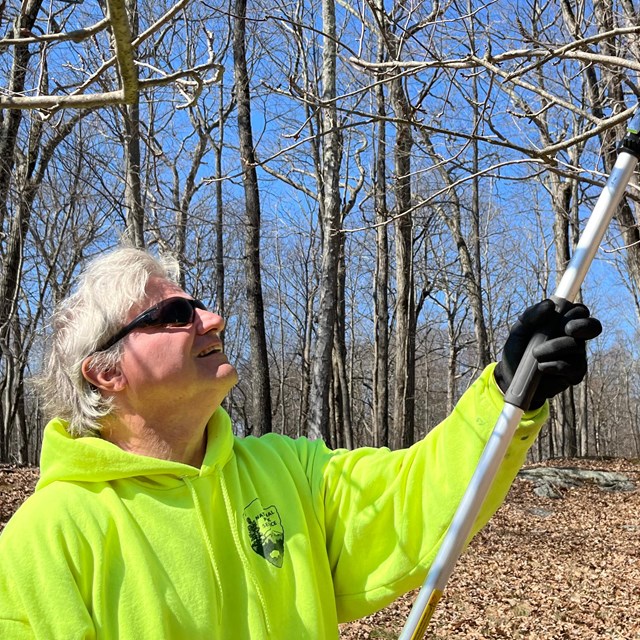
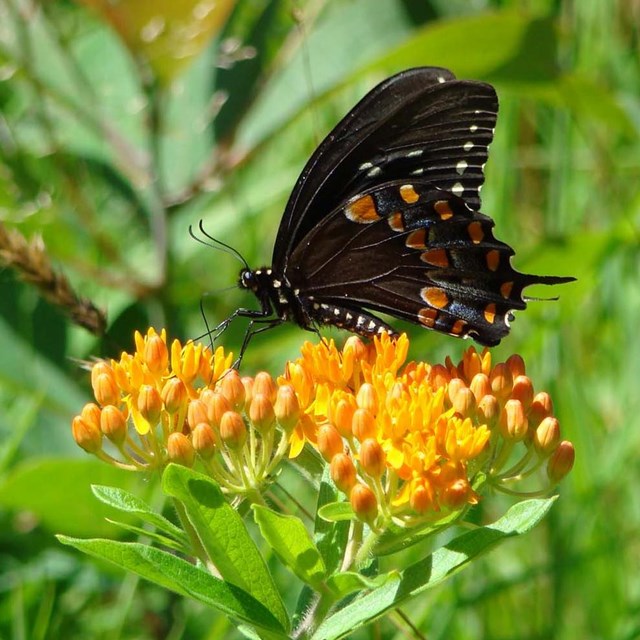
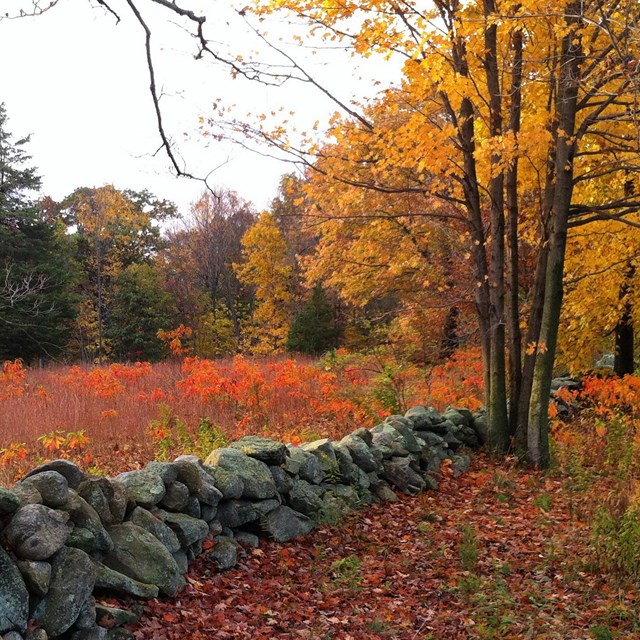
NPS Photo What is phenology?Phenology is the study of seasonal and life cycle changes for plants and animals. These changes occur throughout the year and can be key indicators of how an ecosystem is affected by shifts in climate and seasons. These changes are probably already familiar to you—seasonal events like flowers blooming, birds migrating, and leaves turning colors in the fall are all examples of what phenology is studying. Scientists document these routine changes to better understand when different seasonal shifts will occur. These changes can also be compiled together to see the big picture of how seasons and life cycles may be shifting from one year to the next. Data on how species react to climate changes over time informs and improves decisions about how to best protect natural resources. For instance, understanding when invasive species go to seed will help figure out the most effective time to remove them before they continue spreading. Phenology requires a lot of data to really understand what's going on in the local ecosystems. Without ample data being recorded, the information that is found will not have enough evidence to show what is happening overall. By expanding the number of species being monitored, as well as the number of people who are collecting data, phenology can contribute important and useful information for the future. Phenology at Weir Farm NHPWeir Farm National Historical Park has an active phenology program. Volunteers routinely monitor several species and input data online on the National Phenology Network's Nature's Notebook app, which contributes to monitoring and research efforts in the National Park Service. The Weir Farm phenology program currently observes over 30 species of plants, reptiles, amphibians and mammals that are grouped within 8 different mini ecosystems such as upland forest, meadow and pond. The focus of the monitoring is predominately on native plants, many of which are under stress such as the American beech (Fagus grandifolia). 
Letter from Caro Weir in Branchville to Anna Baker in Washington, D.C “...The violets and apple blossoms are just comming [sic] out and they are so pretty…I will press a violet for you if you would like one…” Get involved!Interested in contributing to this important citizen science effort? Check out the links below to learn more about volunteering, how to make phenology observations in your own backyard, and how phenology is used throughout the National Park Service. |
Last updated: January 23, 2026