





Last updated: August 13, 2026

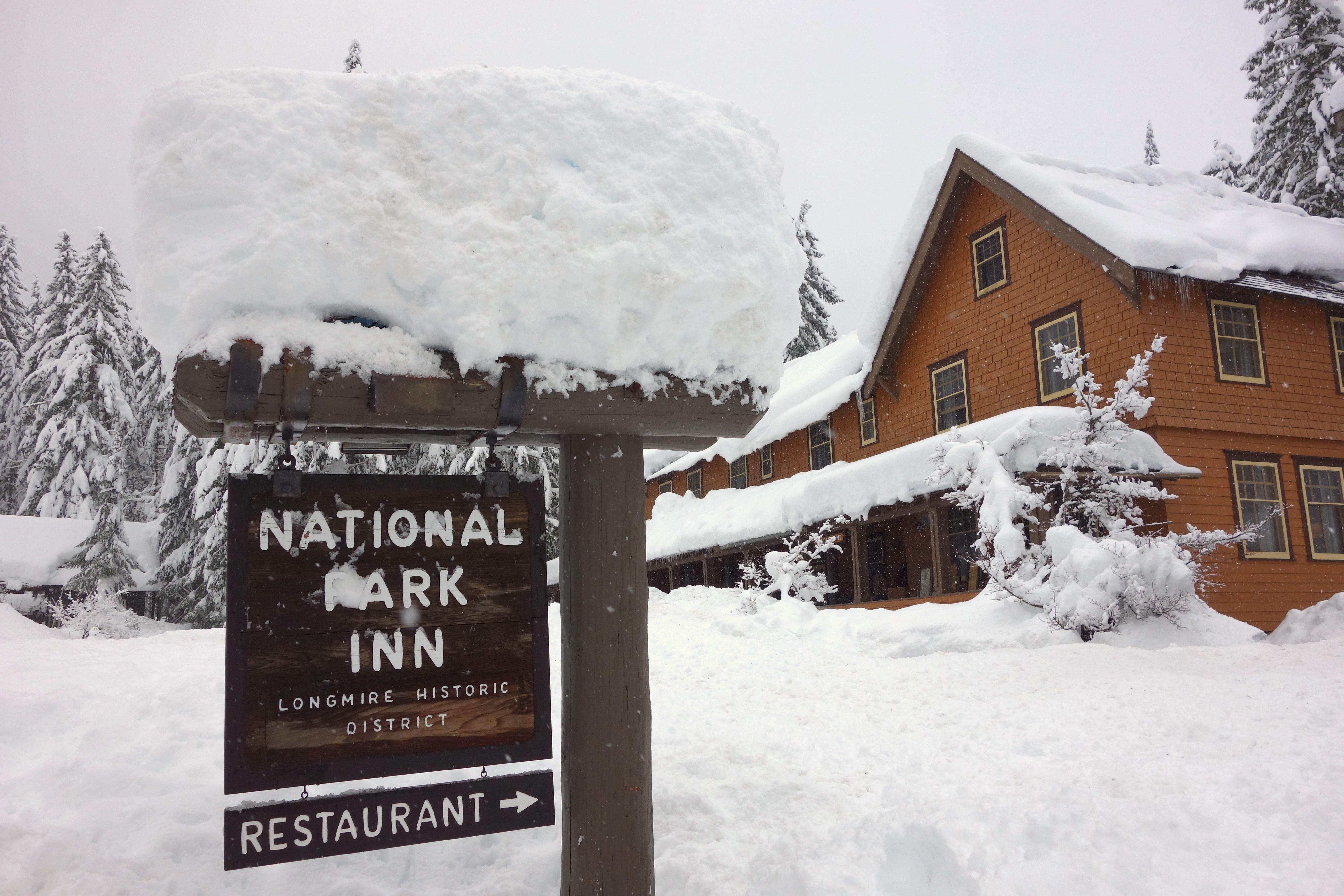
Hours of operation for park visitor centers, inns, ranger stations, and other facilities.

Find out current road conditions, including access to Paradise during the winter season.

Air quality, which can be affected by wildfire smoke and other pollutants, is one of the environmental factors monitored in the park.

Plan ahead to avoid summer traffic! On busy weekends expect long waits at entrances and full parking lots.

The weather can change quickly at Mount Rainier, from calm to stormy and back again. Check the weather to prepare for a safe visit.

The park's limited water supply primarily depends on streams and lakes fed by snowmelt and perennial snowfields. Please help conserve water!

Information and permits for exploring Mount Rainier's backcountry.

No matter the length of your hike, being aware of risks can help make your hiking experience safe and enjoyable!

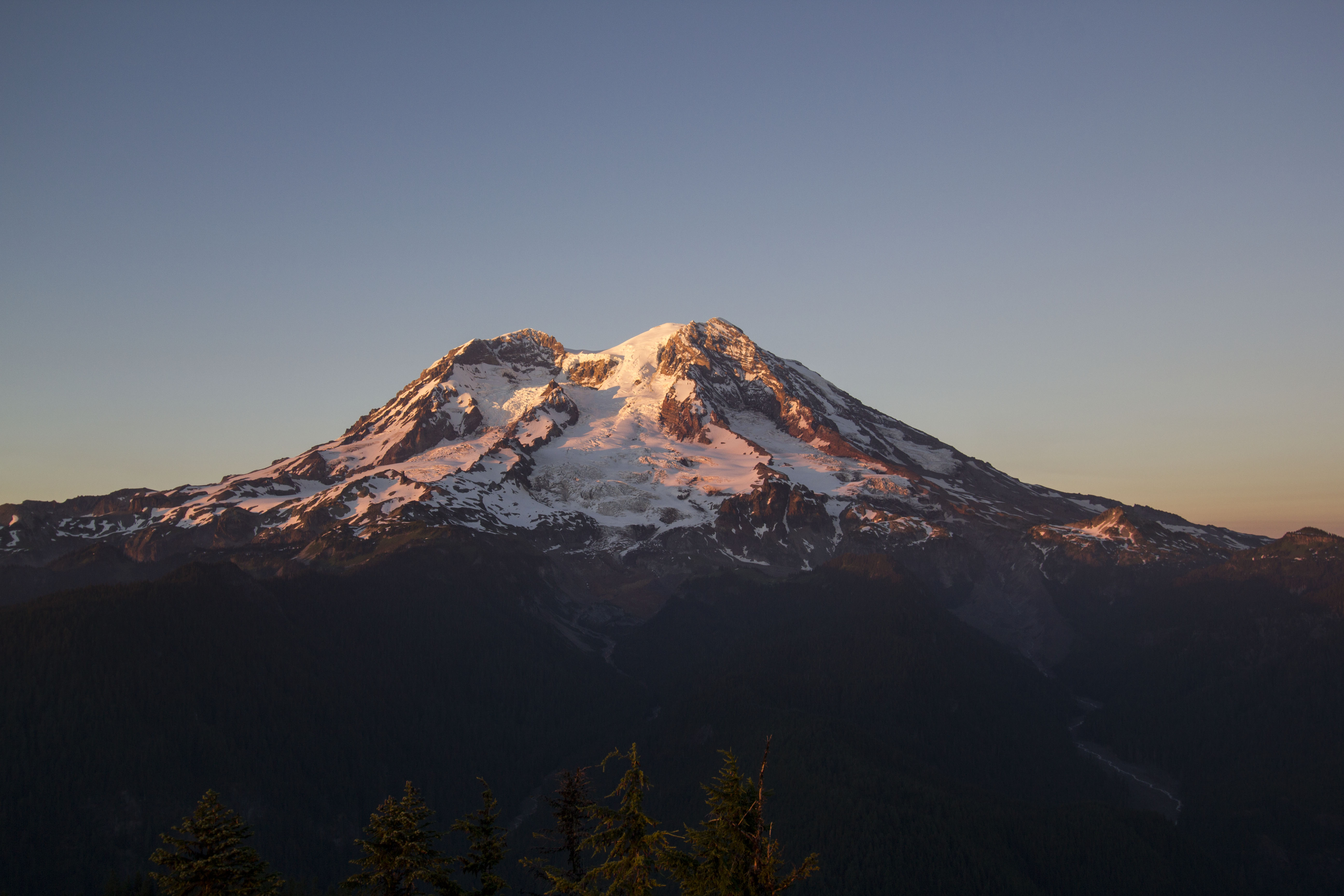
Is the mountain out? What's the weather like at Paradise or Sunrise? Take a look at our live webcams to find out!

Park construction includes work to improve roads and visitor areas. Learn how this will impact your travel plans through the park.

Ensuring that the individuals who made the ultimate sacrifice while saving the lives of others will never be forgotten.