



News Release
You are viewing ARCHIVED content
This content was published online before January 20, 2025. Please note that this content is NOT UPDATED, and links may not work. For current information, visit https://www.nps.gov/aboutus/news/index.htm.
NPS Photo
News Release Date: January 9, 2023
Contact:
Jody Anastasio, 808-985-6020
1. Know before you go. Visit the park website for eruption updates, alerts, what to do, and more before you arrive. Download the free National Park Service app – it’s a terrific source to help you explore the park.
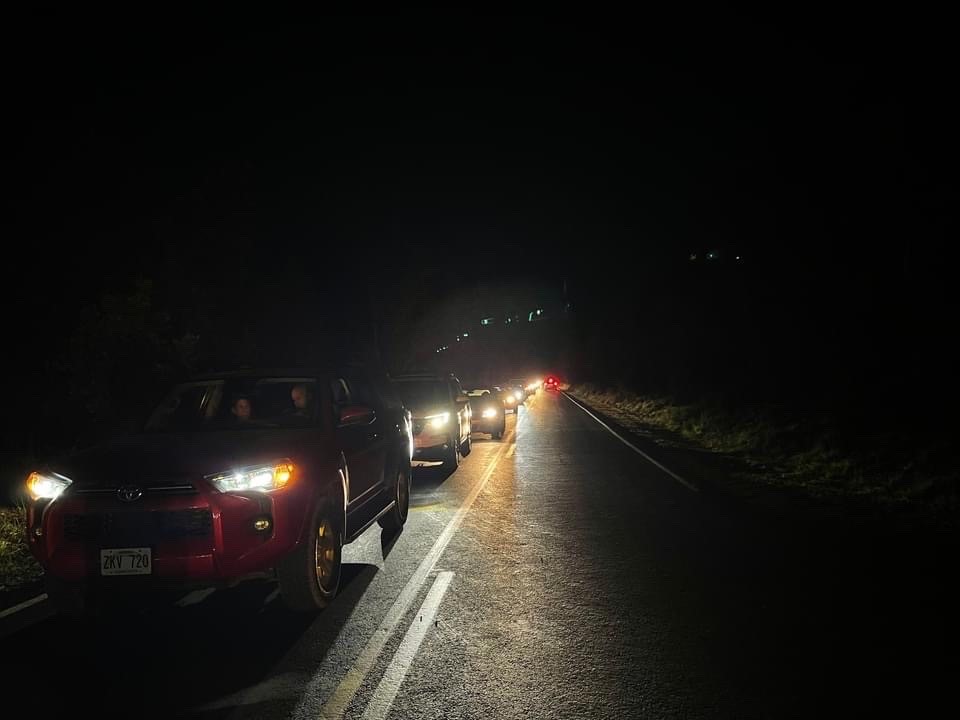
2. Be flexible. Sunset and the evening hours between 6 pm and 9 pm are the most crowded, creating lines of traffic waiting for parking spots, lines at facilities, and packed overlooks. The best time to visit is after 9 pm to sunrise. Your park is open 24 hours a day.
3. Be respectful. Kīlauea is a sacred and cherished landscape. Be safe. Stay on marked trails and overlooks and avoid earth cracks and cliff edges. Do not enter closed areas.
4. Adjust your expectations. Many visitors are here to witness this amazing natural phenomenon and will likely be crowded together at overlooks.
5. Be considerate and strive to protect the quality of everyone’s experience. Use your indoor voice at overlooks. Leave your mobile sound system at home. Point flashlights and headlamps at the ground to avoid blinding others. Use of unmanned aircraft (drones) is prohibited in the park without a permit from the Park Superintendent.
About the National Park Service. More than 20,000 National Park Service employees care for America's 424 national parks and work with communities across the nation to help preserve local history and create close-to-home recreational opportunities. Learn more at www.nps.gov and on Facebook, Instagram, Twitter, and YouTube.
Last updated: January 9, 2023