



Wildlife
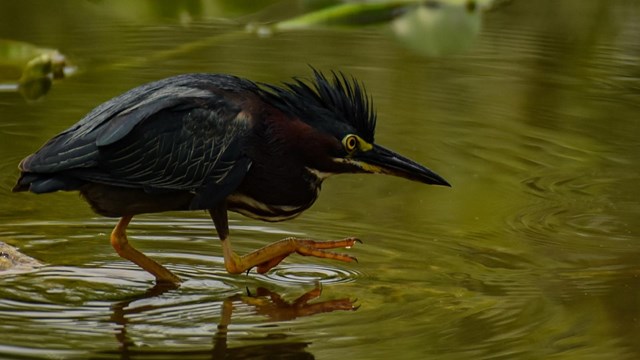
An important haven for migratory birds and endangered animals, the Everglades is also a significant nursery for wading birds and fish. 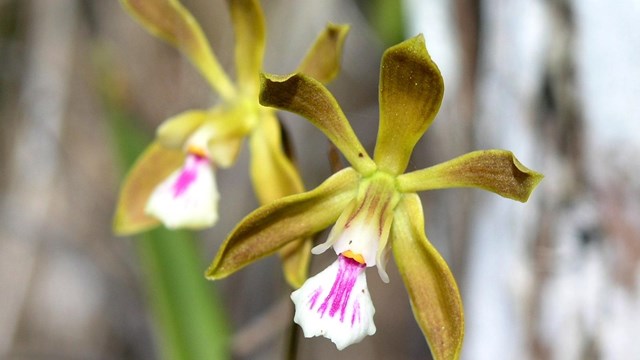
Plants
Found at the transition of tropical and temperate climates, the Everglades supports a unique assemblage of plants found nowhere else. 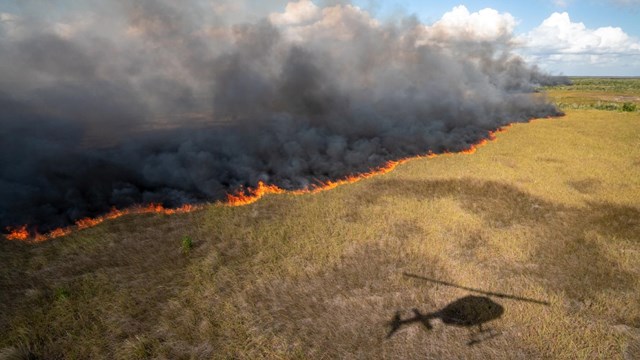
Fire
Fire is important to a healthy Everglades because it regulates this fire-adapted ecosystem. Some plant communities are even fire-dependent. 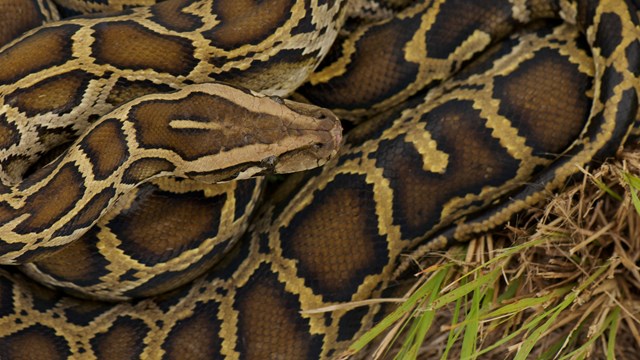
Invasive Species
Invasive and non-native species affect the park and Everglades ecosystem in many ways, some obvious and others obscure. 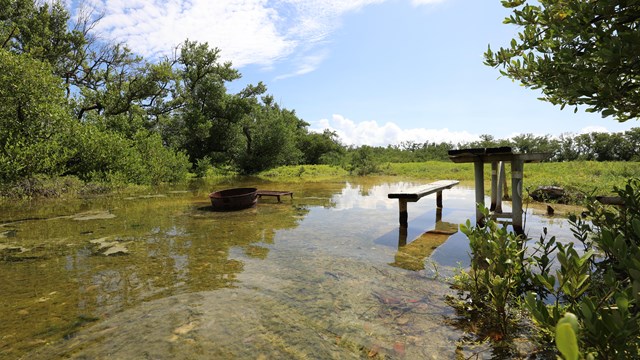
Climate Change
Climate change and sea level rise are affecting the park and the Everglades. Learn about what's happening and what we can do about it. 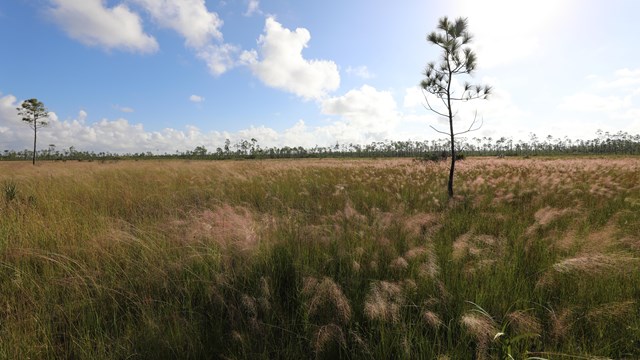
Habitats
In the Everglades, elevation is everything. Even a few inches can influence which ecosystems develop. Along the coast, salt plays a role. 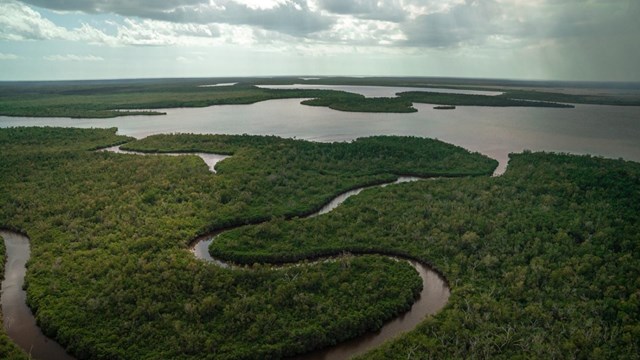
Water
Water is the lifeblood of the Everglades. Without it, this ecosystem would cease to exist. Everglades restoration will restore water flow. 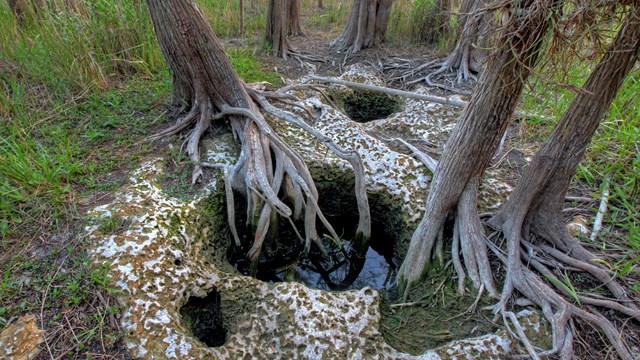
Geology
The Everglades formed 5,000 years ago atop a bedrock of porous limestone. Learn how the geology of the region influences the Everglades. 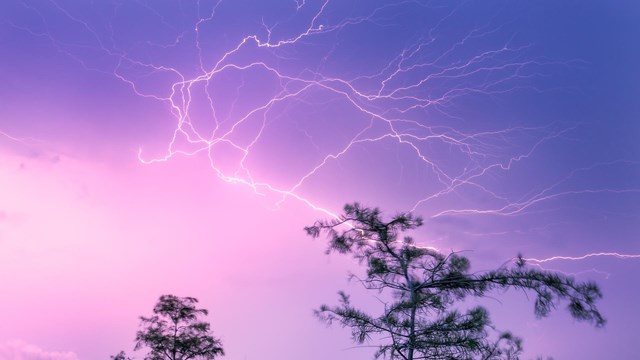
Light And Sound
Sunsets, starry skies, rolling thunder, alligator bellows, and singing songbirds: the Everglades treats your senses. 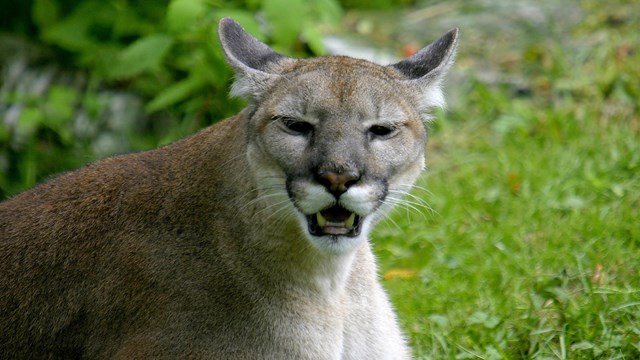
Threatened and Endangered Species
Learn about federally-listed species presently or formerly known to occur in the park. 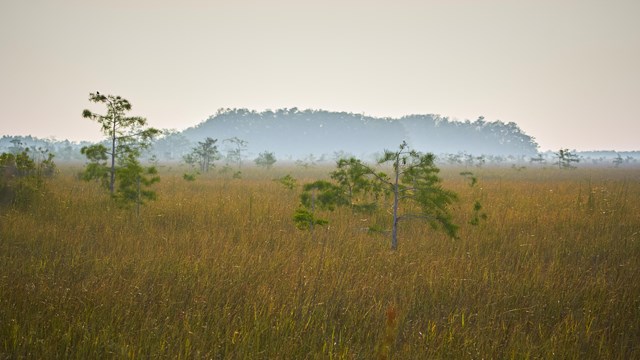
Air Quality
As a Class I area, the park is afforded the highest level of air quality protection by the stringent requirements of the Clean Air Act. |
Last updated: April 29, 2025