



News Release
You are viewing ARCHIVED content
This content was published online before January 20, 2025. Please note that this content is NOT UPDATED, and links may not work. For current information, visit https://www.nps.gov/aboutus/news/index.htm.
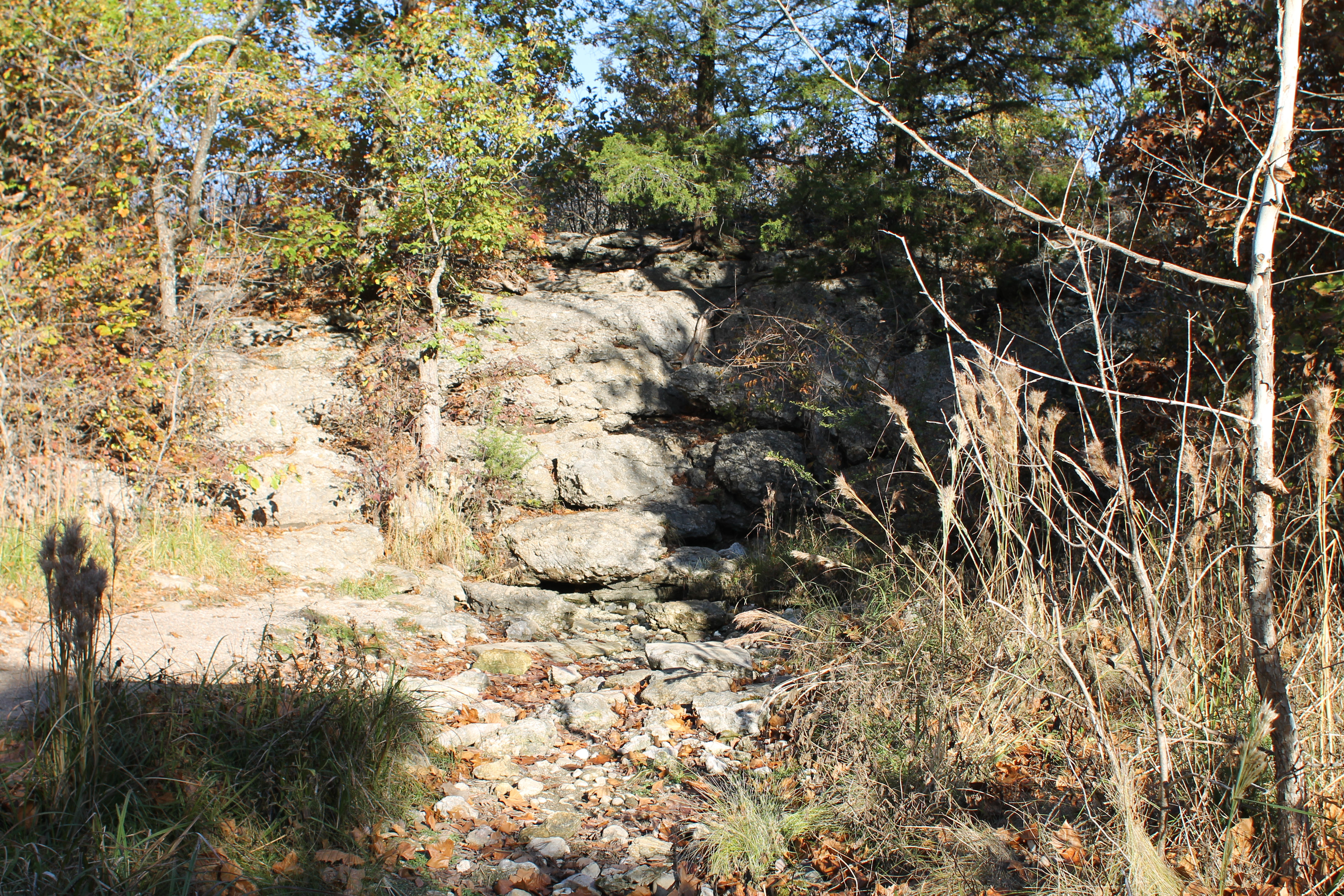
NPS Photo
News Release Date: November 18, 2022
Contact:
Megan Wilkins, 580-622-7234
“Due to the ongoing drought, the aquifer that feeds Antelope Springs hasn’t been getting enough water to stay fully charged” says Superintendent Bill Wright. “When the aquifer level drops low enough, Antelope Springs is the first to go dry. Based on past patterns, we expect to see Buffalo Springs continue to slow and dry up as well if the drought continues.”
Antelope and Buffalo Springs have dried up more than twenty times since the area was first protected in 1902. These two springs are the headwaters of Travertine Creek, which flows over popular recreational dams such as Little Niagara, Bear Falls, Garfield Falls, and Panther Falls. The springs have dried up for as short as a few weeks to over two and a half years. The most recent dry period was from February 13, 2014 to April 29, 2015.
More information on the history of waterflow from these springs is available at go.nps.gov/CHICsprings
For more information about Chickasaw National Recreation Area, visit www.nps.gov/chic or call the Travertine Nature Center at (580) 622-7234.
Last updated: November 18, 2022