




NPS Photo/Jeanette Mills The wide variety of habitats found in the park allows for an abundance of bird species. In total 187 species of raptors, waterfowl, seabirds, shorebirds, and songbirds have been documented in the park and preserve, and six other species have unconfirmed sightings. Birding 101What You Need

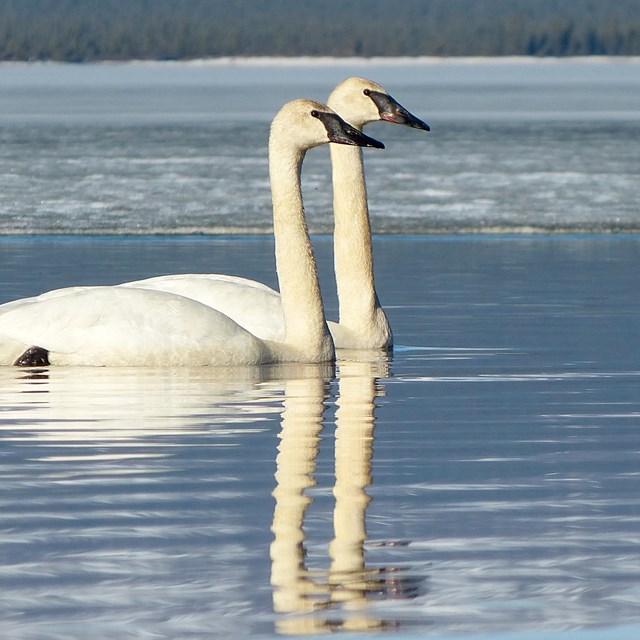
NPS Photo/ Jeanette Mills How to BirdOne of the joys of birding is that birds can be seen and heard almost anywhere! There are many factors that will impact your bird outing, including time of day, season and weather.Begin by looking for movement. During the summer, scan the surface of lakes and ponds for diving ducks or hovering kingfishers, or watch the edges of the water for probing shorebirds. In winter, watch the trees carefully for swift, flighty movements from small birds such as crossbills and chickadees. Listening for birds is another way to enjoy birding, and it doesn’t require any special gear! Birding ResponsiblyAlways remember you are in bear country. While focusing your binoculars, or keeping an ear out for bird calls, stay aware of your surroundings. You may be sharing the area with bears.Where to View BirdsCoastal AreasThe once endangered Peregrine falcon nests along the Tuxedni Bay coastline. Along coastlines, rich estuaries that provide birding opportunities year-round. During spring migration, watch shorebirds whirl about along the mud and sand flats, searching for prime feeding and roosting locations. Take a walk near shore and survey the intertidal and subtidal zones for sea ducks. Watch your step in the salt marshes and forest for nesting songbirds. When most birds have migrated south, look out for common eiders diving for aquatic invertebrates. Inland LakesThe foothill/lakes region to the west of the Chigmit Range, and the Chulitna Flats adjacent to Lake Clark are important feeding and nesting grounds which host a varied array of migratory and native birds. Among the types of birds a visitor might see are waterfowl, shorebirds, raptors, falcons, owls, songbirds, grouse, and ptarmigan. MountainsLarge migratory flocks of ducks, swans, and geese rest and feed in the park and preserve before flying from Nikabuna Lakes to Lake Clark through low mountain passes in the Chulitna River drainage.Birding Seasons and ResidentsWinter ResidentsOctober – April: Witness the hardiest birds survive winter! Concentrations of resident birds can still be found during the long nights of winter. Search the forests for chickadees, redpolls, gray jays, ravens, and grouse. Don't forget to keep an eye on the coastal waters for common eiders and goldeneyes.Spring ArrivalsMay – June: With spring comes a flurry of movement and song.This is the most popular time of year for birding. During spring migration, an estimated 122,000 shorebirds use intertidal mudflats in Tuxedni and Chinitna Bays. The predominant species of shorebirds are western sandpiper and dunlin.Summer NestingJune – August: In contrast to spring, summer is quiet as birds settle in for the nesting period. It can be challenging to find birds during this time, but patience is well rewarded. A few of the raptors species that nest within the park include bald eagles, golden eagles, northern goshawks, northern harriers, and merlins. Make sure to scan the cliffs along interior lakes and rivers for peregrine falcon eyries.Fall MigrationAugust – October: The fall migration can sometimes yield surprises! Waterfowl, such as scoters, have been observed to number more than 18,000 by mid-August.View a bird species list belowSelect a Park:Select a Species Category (optional):
Search results will be displayed here.
More Bird Topics
Where the Wild Things AreStaying Safe in Bear Country |
 |
|
Last updated: October 13, 2021