Cherry Blossoms at Fort McHenry

While known best for its history, Fort McHenry National Monument and Historic Shrine encompasses 43-acres of green space along the Patapsco River and is home to two magnificent groves of Yoshino Cherry trees. Walk among the trees, breathe in the fresh air, and celebrate the season’s renewal on these historic grounds.


Bloom Watch

2026 Peak Bloom TBD

When is peak bloom?

The peak bloom date is defined as the day when 70% of the Yoshino Cherry (Prunus x yedoensis) blossoms are open. Peak bloom varies annually depending on weather conditions. The most likely time to reach peak bloom is between the last week of March and the first week of April.

How long is peak bloom?

The Yoshino trees typically bloom for a period of several days. The length of the blooming period depends on weather conditions. Cool, calm weather can extend the length of the bloom, and a rainy, windy day can bring an abrupt end to the ephemeral blossoms. A late frost can prevent the trees from blooming at all.

Predicting the bloom.

Forecasting peak bloom is almost impossible more than 10 days in advance. The cherry trees' blossom development is dependent on weather conditions. National Park Service horticulturists monitor bud development and report the status of the blossoms.

 
Cherry blossom branches fanned over a view of the historic star fort

Visiting During Peak Bloom

Planning a visit this spring? Peak cherry blossom bloom is one of our busiest times of the year. To make your visit as smooth as possible please keep in mind:

Parking is extremely limited. Consider walking, biking, or taking public transportation. Visit our Directions and Parking page for more information.

Park hours are from 9 a.m. to 5 p.m. All visitors must exit by this time.

Leave No Trace principles apply. Please refrain from picking the blossoms and climbing the cherry blossom trees. This helps keep the trees in peak condition for everyone to enjoy while also ensuring the safety of you and your loved ones!

For more information on how to plan your visit, see our Plan Your Visit page.

 
East Cherry Blossom Grove (right) and West Cherry Blossom Grove (left)

NPS/ Tim Ervin

History of the Groves

Plans to establish the cherry groves at Fort McHenry were originally proposed as a means of creating a visitor attraction in Baltimore similar to Washington D.C.’s popular cherry trees, which were planted around the Potomac Park Tidal Basin in 1912.

The Yoshino cherry trees at Fort McHenry were planted in 1931 by 1,500 Baltimore school children to commemorate the bicentennial anniversary of George Washington’s birth.

Each of the 152 cherry trees were planted to represent a Baltimore public school. The schools were highly segregated at the time, and the groves reflect this segregation. Trees planted by the African American students, make up the East Cherry Blossom Grove, while the trees planted by white students were planted on the west side of the fort to create the West Cherry Blossom Grove.

The cherry blossoms have been carefully cared for over the years. A 2006 restoration program allowed the park to replace diseased and dying historic trees and restore the historic cherry and crabapple groves.

 
Pink cherry blossom with the outline of the star fort inside

Be a Cherry Blossom Defender

Join the ranks of Fort McHenry Defenders by doing your part to protect our natural and cultural resources!

While visiting our cherry blossom groves, please follow the Leave No Trace principles:

  • Do not touch or climb trees
  • Leave blossoms, plants and other natural objects where you find them
  • Dispose of trash properly
  • Do not feed wildlife
  • Be respectful of other visitors and park staff

We appreciate your help in keeping the groves as beautiful as possible, for as long as possible!


Explore More

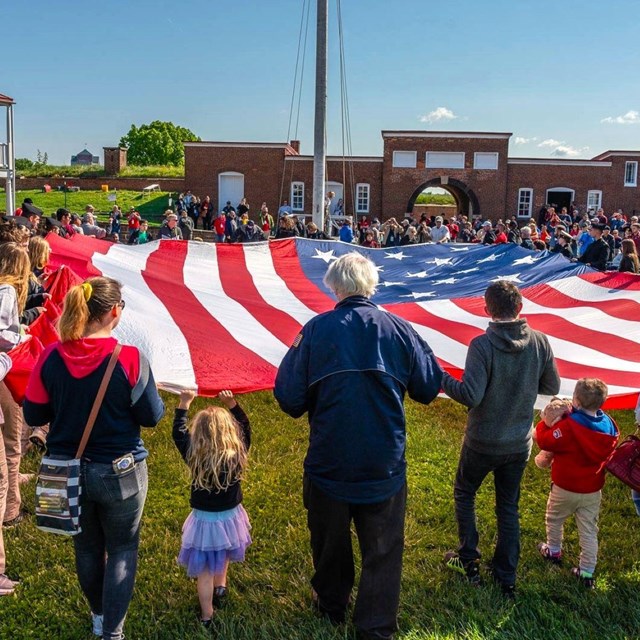
  • Large group of visitors assisting with folding a large American flag
    Plan Your Visit

    What is open? Are there fees? What can I do there? Find answers to all of these questions and more!

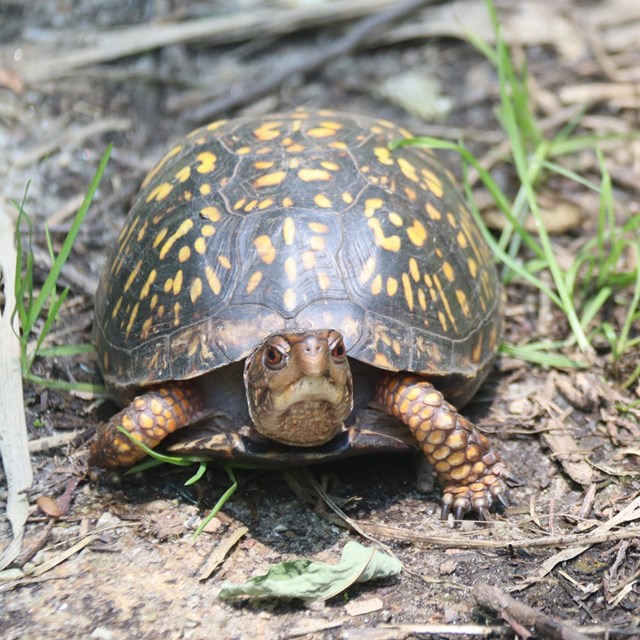
  • Eastern Box Turtle standing on a dirt path.
    Natural Resources

    Fort McHenry National Monument and Historic Shrine is home to many different species of wildlife and plants.

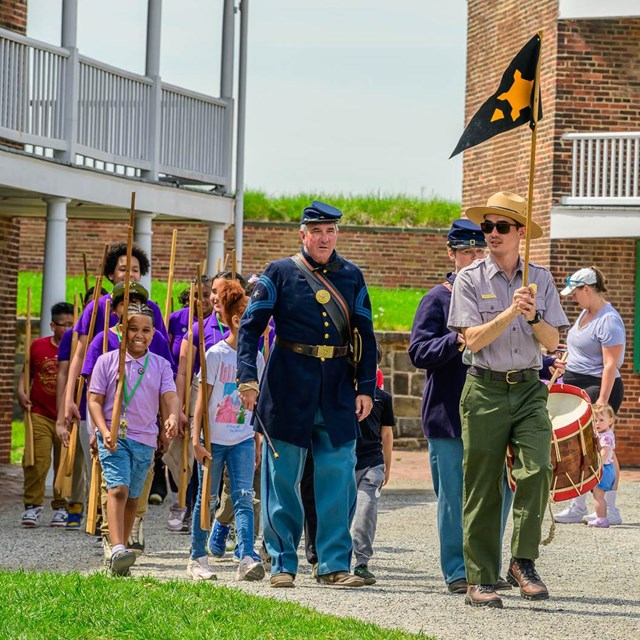
  • Rangers lead students on a march through the fort
    Events Calendar

    Check the calendar for upcoming special events and programs.

Last updated: February 10, 2026

Park footer

Contact Info

Mailing Address:

2400 East Fort Avenue
Baltimore, MD 21230

Phone:

410 962-4290 x250

Contact Us