



News Release
You are viewing ARCHIVED content
This content was published online before January 20, 2025. Please note that this content is NOT UPDATED, and links may not work. For current information, visit https://www.nps.gov/aboutus/news/index.htm.
NPS
News Release Date: April 26, 2024
Contact:
Abby Wines, 760-786-3221
Contact:
Nichole Andler, 760-786-3279
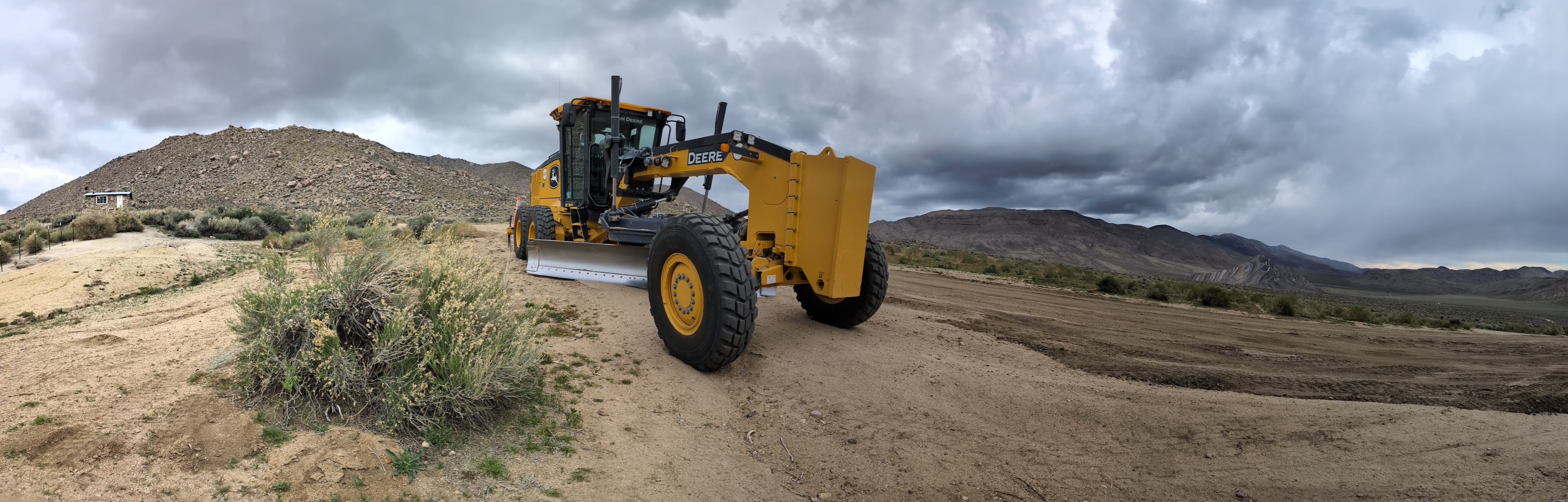
On August 20, 2023, the remnants of Hurricane Hilary brought 2.2 inches of rain, which is more rain in a day than the park normally receives in a year. All roads in the park were damaged. In some places, roads disappeared for miles. Waterlines, sewer lines, and sewage lagoons had to be repaired. Repairs needed added up quickly in the 3,400,000-acre park—about the size of Connecticut.
“The last eight months have involved a lot of work. I’m really proud of Death Valley staff and all those across the National Park Service who came to help get access quickly restored. It is rewarding to see the public to visit their favorite Death Valley places again,” said park Superintendent Mike Reynolds. “We are so grateful to everyone involved: 152 Death Valley National Park employees, 256 NPS employees from other Park Service units, the Timbisha Shoshone Tribe, Caltrans, Federal Highway Administration, Inyo County, multiple contractors, our neighboring communities, and countless others. It truly was a massive and complex disaster recovery effort.”
There is more work to do, but the park is shifting out of emergency response mode. Permanent repairs to some of the paved roads will begin later this year. Erosion control features will be added to sections of paved roads to make them more resilient to future flash floods. Over the next 12-18 months, the park plans to do major repairs at Salt Creek, Titus Canyon, Lower Wildrose, and Darwin Falls.
To keep up on the continuing progress in Death Valley, visit nps.gov/deva.
Tags:
hurricane hilary
Last updated: September 23, 2024