



|
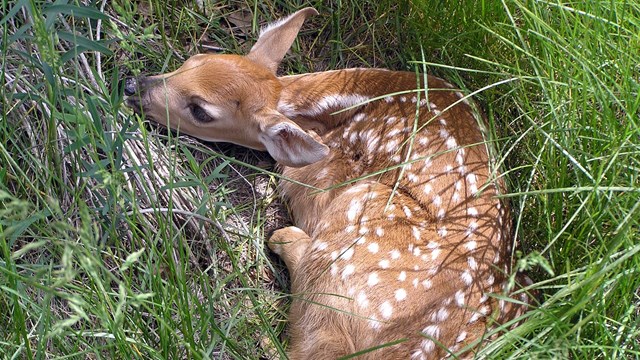
The forests and prairies of Devils Tower National Monument provide habitat for mammals, birds, reptiles, amphibians, insects, and fish. Look for deer beneath the shady forest canopy or visit the prairie dogs in their town along the river. Even the Tower offers a home for birds, small rodents, and the occasional reptile. You can even help us find and identify park species using the iNaturalist app!
Mammals
Devils Tower National Monument is home to over 40 species of mammals. Explore those species. 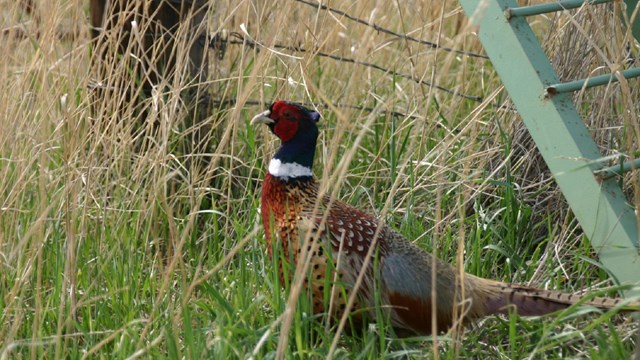
Birds
A comprehensive list of over 160 birds that visit Devils Tower National Monument. 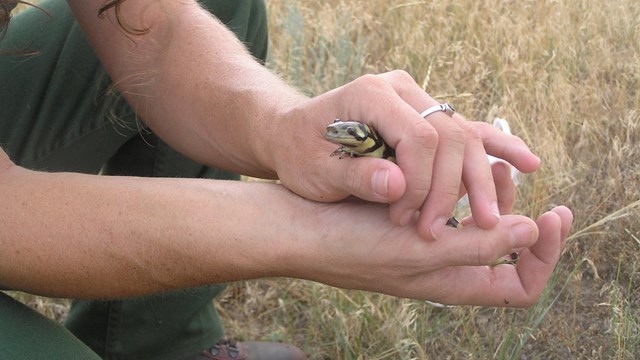
Amphibians
Toads, frogs and salamanders find a home at Devils Tower National Monument. 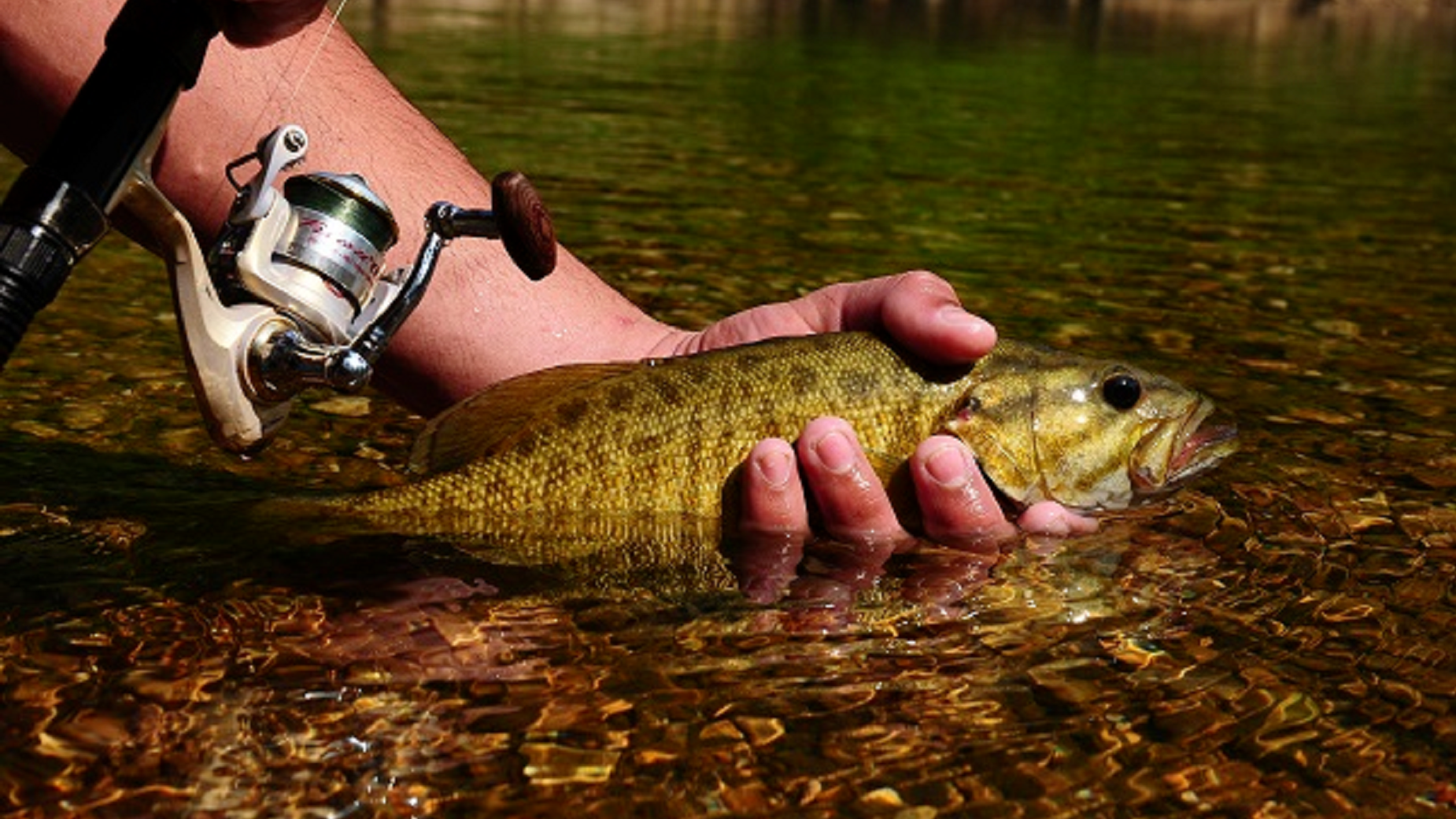
Fish
The fish that inhabit the Belle Fourche River include minnows, suckers, catfish, sunfish and perch. 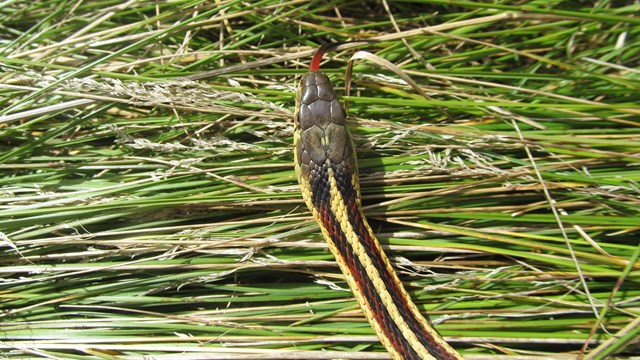
Reptiles
Several reptile species live in the Black Hills region Select a Park:Select a Species Category (optional):
Search results will be displayed here.
What is NPSpecies?NPSpecies is a web-based tool for documenting the occurrence and status of species in national parks. NPSpecies gives parks a way to build, manage, maintain, and share park species lists. As part of the public IRMA Portal (Integrated Resource Management Applications), NPSpecies is available to you! Much of the data currently in NPSpecies has been entered by Inventory & Monitoring Program networks. Sources of information include species inventories, monitoring projects, reports, publications, and museum collections. NPSpecies users can also submit suggestions on list additions or updates. NPSpecies is always a work in progress. Lists continue to change and improve as we learn more about species in parks. Some species categories such as birds or mammals have had extensive research done and their information in NPSpecies is relatively stable. Other categories such as invertebrates or non-vascular plants are less well known, and information in NPSpecies may be missing or in the early stages of development. 
NPS A Scientific OpportunityHave you ever taken a picture of a plant or animal and wondered, "what is this thing?" Through a tool called iNaturalist, you can easily share your photographs with people all over the world to help you identify your observations. Together, people everywhere will be helping to create a record of life in our parks. Anyone visiting national park lands with a smartphone or digital camera can turn their photos of plants, animals, and fungi into useful data. Even if participants do not know exactly which species they recorded, members of the global iNaturalist community work together to crowdsource identifications. Verified records from iNaturalist can be used to update NPSpecies, the official NPS database that documents our knowledge of the occurrence and status of species within each park.
iNaturalist at Devils TowerIn 2019, biologists at the monument launched a program via iNaturalist to track the black-backed woodpecker. This bird lives in the ponderosa pine forests at the park and around the Black Hills. To help us track this rare species, get the iNaturalist app on your phone and search for "Woodpeckers of Devils Tower" to join the fun. |
Last updated: April 24, 2025