



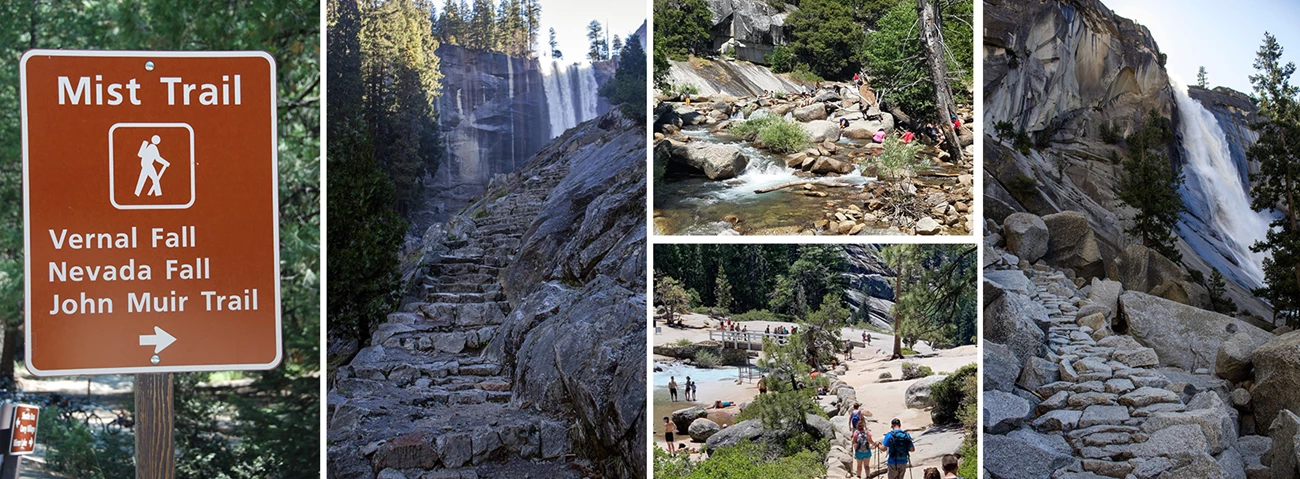
OverviewThe National Park Service (NPS) initiated a planning process for the Mist Trail corridor in Yosemite National Park, one of Yosemite's busiest and most popular trails. The trail corridor attracts approximately 85,000 visitors during the high visitation months. The park aims to enhance the visitor experience by addressing safety, wayfinding, stewardship, education, and improving amenities to accommodate sustainable levels of visitor use. Yosemite National Park kicked the public portion of the planning process off with a 30-day comment period to gather public input on the project’s purpose, need, scope, and potential improvements needed in the area from October 24, 2024 through November 23, 2024. Information obtained during this initial comment period has been used to refine the scope of the project, develop a reasonable range of alternatives. The park initiated the formal National Environmental Policy Act (NEPA) process to analyze the proposed actions in an Environmental Assessment (EA). The Draft EA has been developed and is open for public comment June 11, 2026 through July 13, 2026. The proposed actions in the Draft Environmental Assessment include:
A major difference between the two action alternatives is either improving the current route and approach to the John Muir-Mist Trail, or, re-establishing the historic route over the former Happy Isles Footbridge. Planning Process and TimelineThe anticipated schedule for planning milestones and additional opportunities for public review and input are as follows:

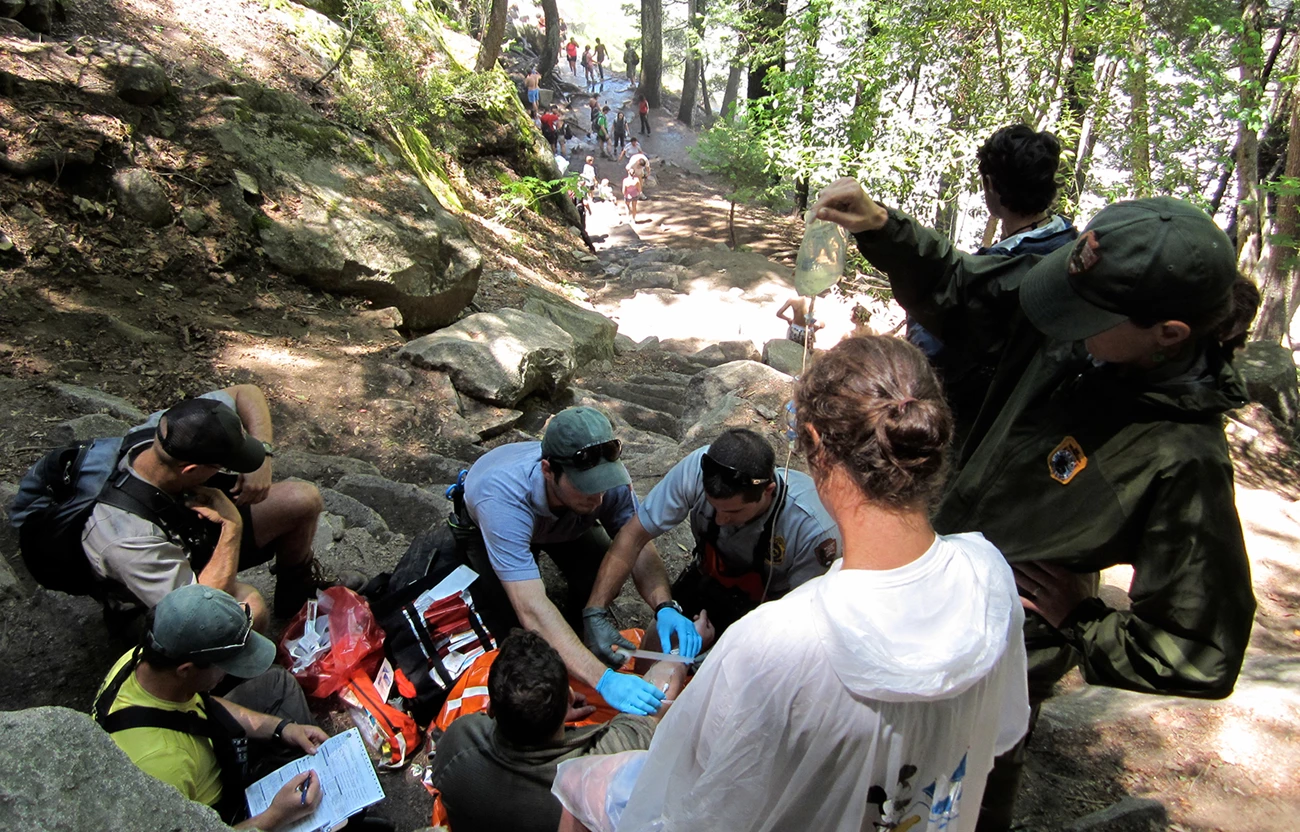
Project Background and HistoryThe trails in the Mist Trail Corridor are the busiest in Yosemite National Park. This historic trail corridor features legendary trails and landmarks, such as Happy Isles, the John Muir Trail, Mist Trail, Half Dome Trail, Vernal Fall, Nevada Fall, and Half Dome itself. Each summer since 2010, an average of 85,000 visitors use the trailhead near Happy Isles. High levels of visitation contribute to this trail corridor being the busiest area of the park visitor accidents and fatalities. In turn, these trails have high rates of search and rescue operations, which puts rescuers and park staff at risk. Additionally, from late-May through mid-October, up to 300 permit-holding hikers ascend the Half Dome Cables route daily. Over the past decade, safety mitigations and improvements in the trail corridor have been implemented. Public outreach and education in the form of stationed rangers and park staff and volunteers provide critical information through the park’s Preventative Search and Rescue program, supported by Yosemite Conservancy. Still, within the Mist Trail Corridor, the need for a larger, more comprehensive planning effort to address existing management and safety issues is clear. What is the Purpose of this Project?The purpose of the project is to enhance the visitor experience in the Mist Trail Corridor by addressing safety, wayfinding, stewardship, education, and improving amenities to accommodate sustainable levels of visitor use. Why is this Project Needed?The project is needed to address the following challenges along the Mist Trail Corridor: Safety. Some visitors do not recognize the danger of navigating steep trails, swift water near waterfalls, and the cables on Half Dome, resulting in injuries, fatalities, and dangerous rescue and recovery operations. Wayfinding/Orientation. The current trailhead is not adequately serving the needs of the high volume of visitors it receives. Hikers often miss the opportunity to plan their route and assess the difficulty of the trail system. Consequently, many set out on their journeys without the necessary information, unaware of the challenges that lie ahead. Stewardship/Education. Opportunities exist for educating visitors on the unique natural and cultural resources within the Mist Trail Corridor. An increased respect for and stewardship of the corridor’s natural and cultural resources is a key consideration of any physical improvement. Visitor Services. Existing visitor services do not adequately support the number of trail users within the corridor. Infrastructure imrprovements are needed to accomodate a variety of user groups. 
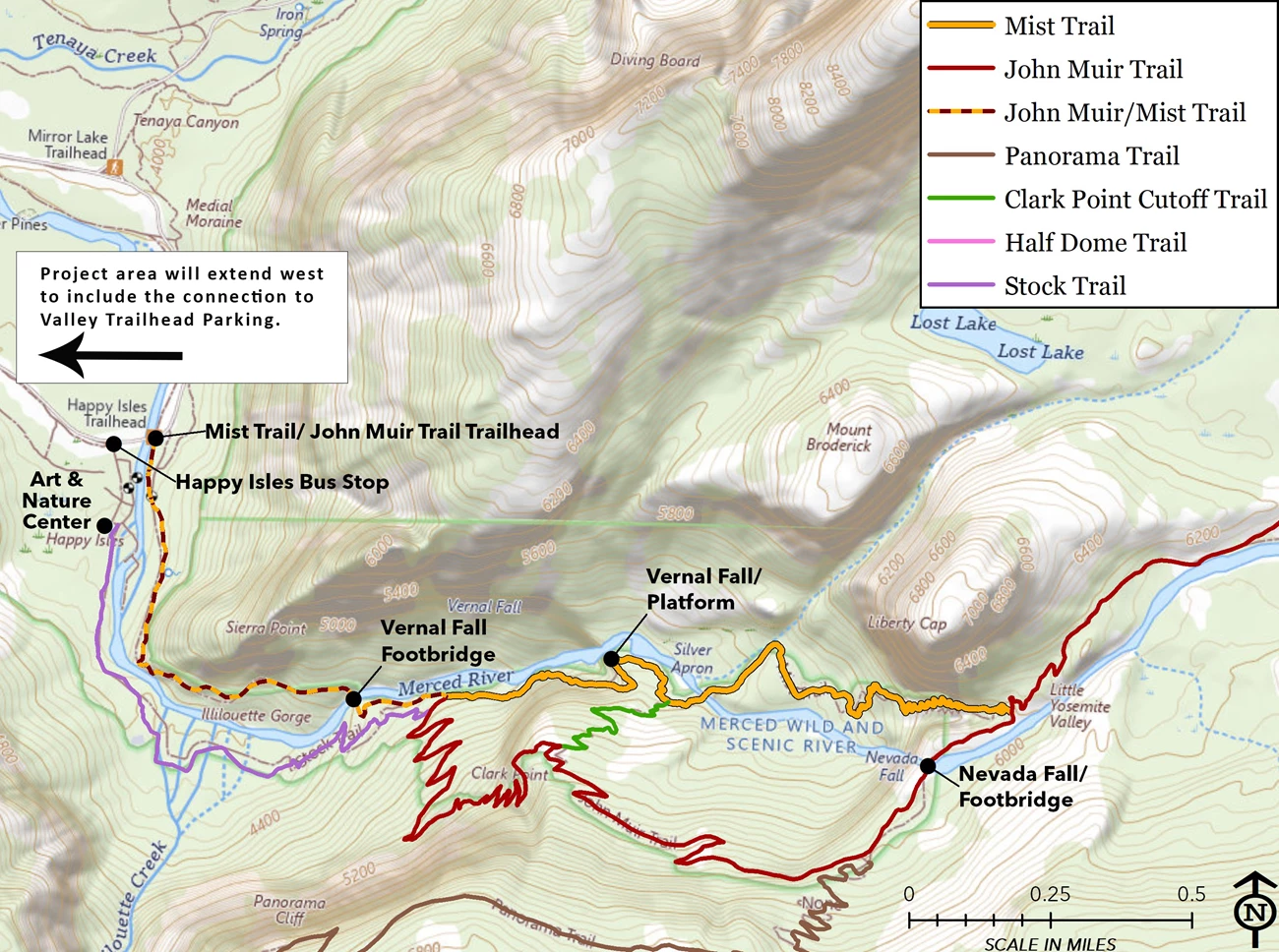
Preliminary Project AreaThe preliminary project area includes the following zones along the Mist Trail Corridor:
Public Outreach and Public MeetingsEngaging with the public is an important part of this planning process and is essential when exploring management alternatives. How to CommentWe want your feedback! Submit comments online. This comment period is open from June 11, 2026 through July 13, 2026. Public Engagement During the Planning Process
Public Meetings
Meeting Recordings (Videos)
StoryMapLearn more about this plan by reviewing the StoryMap.Potential Environmental IssuesIdentifying significant issues related to a proposal is an important part of the planning process. In the context of this planning effort, “issues” or “environmental issues” can be problems, concerns, conflicts, obstacles, or benefits that could result from enhancements along the Mist Trail Corridor. The environmental topics identified for further analysis are:
|

Last updated: July 6, 2026