Settled Snow Depth: 42 inches
High Temperature: 56°F (February 27)
Low Temperature: 14°F (March 3)
February Weather Summary
New Snow: 76 inches (historical average 62.1 inches)
Snow Water Equivalent (SWE): 4.88 inches (historical average 4.53 inches)
Average High Temperature: 41°F (historical average 40.2°F)
Average Low Temperature: 15.5°F (historical average 10.3°F)
Average Temperature: 28.25°F (historical average 25.2°F)
Ski Conditions and Weather
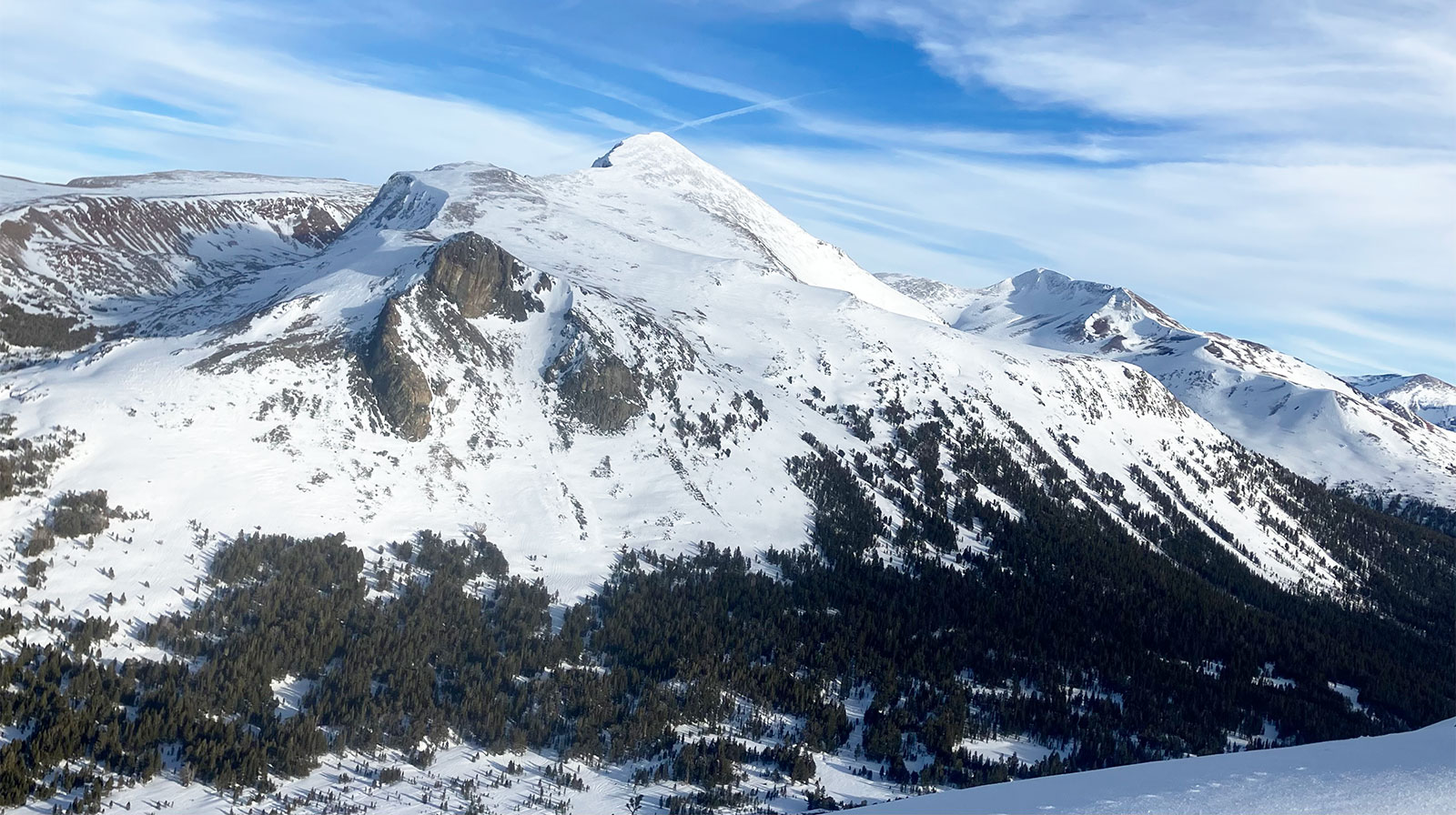
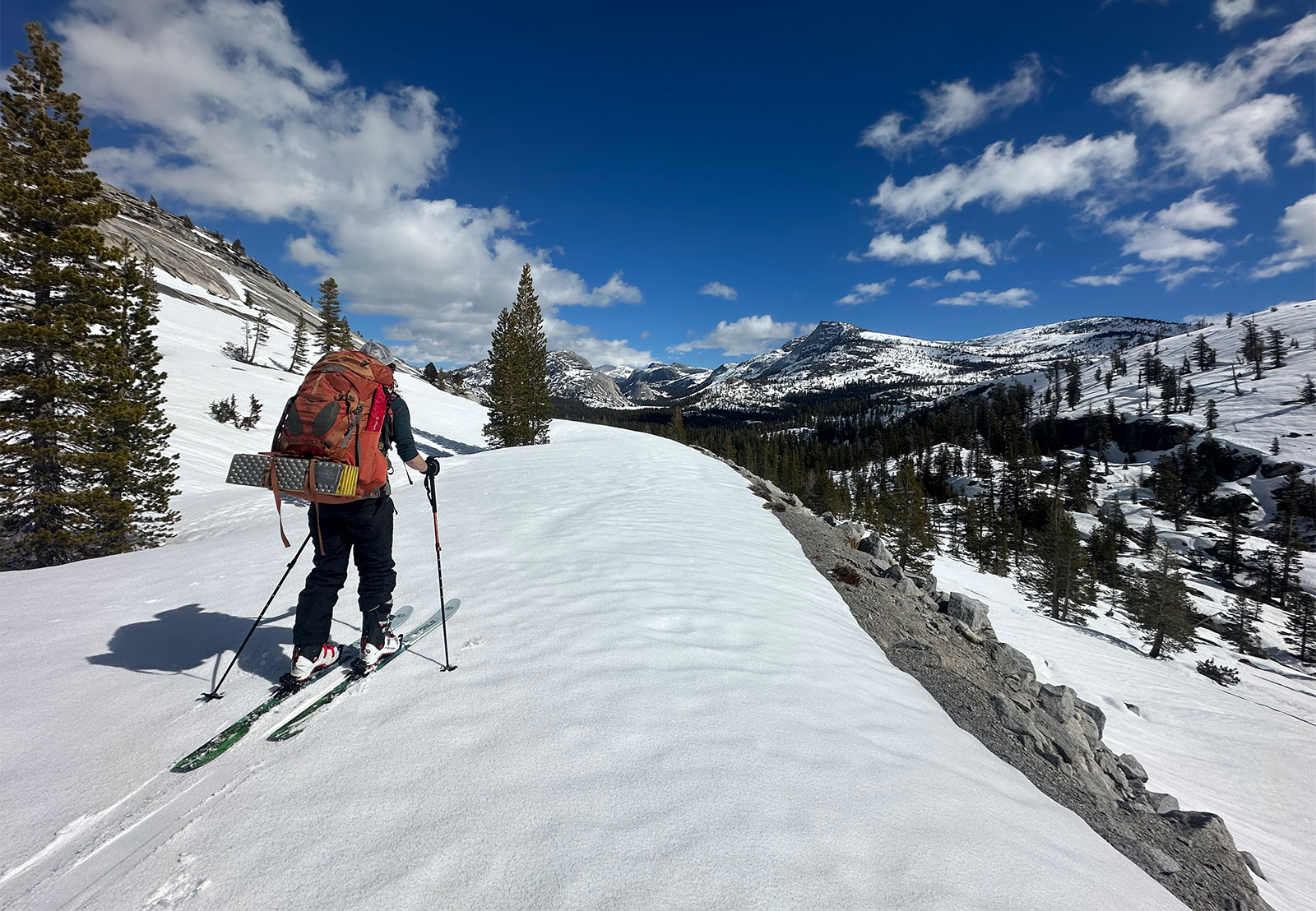
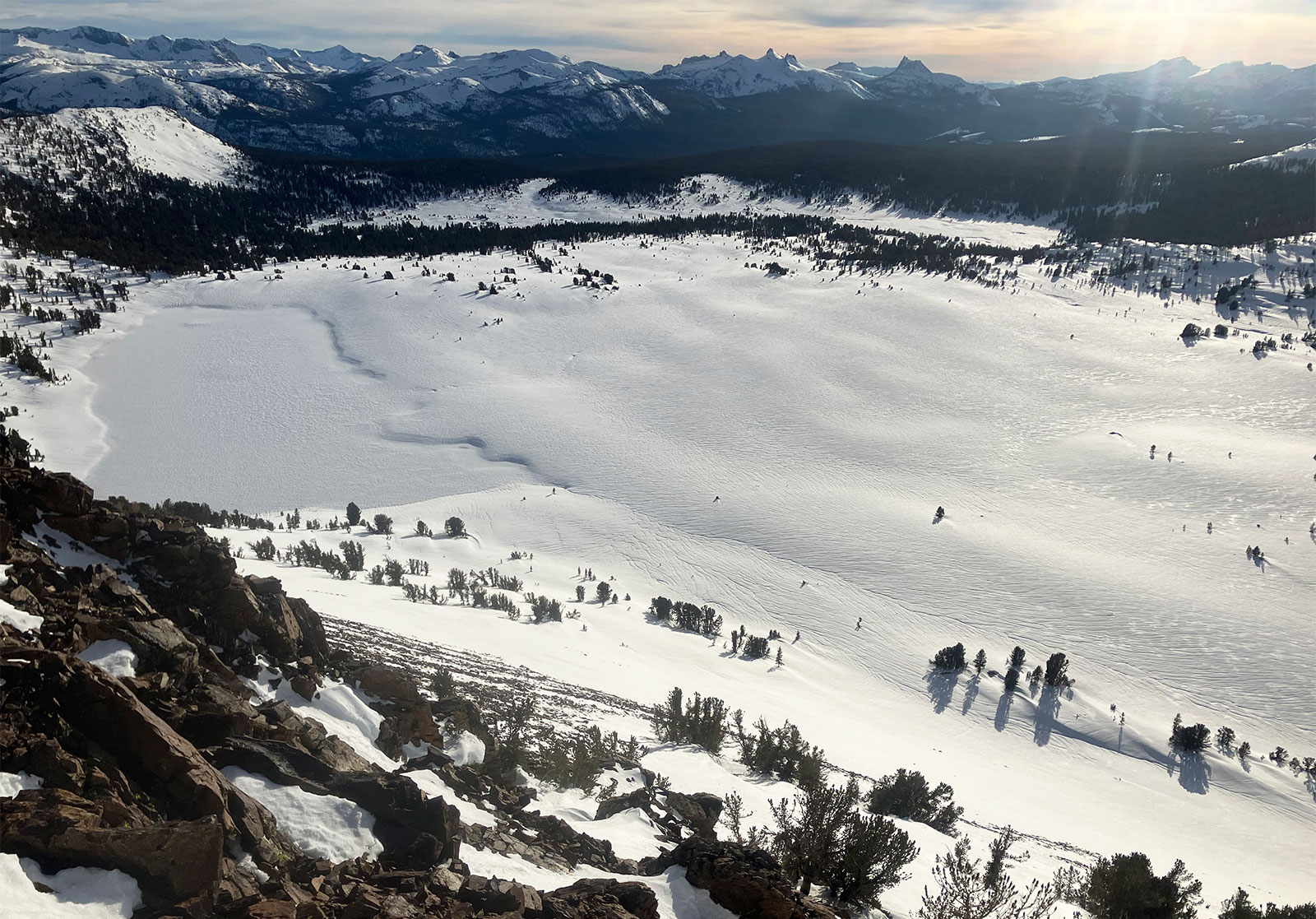
Our snow surveys started with lots of trail breaking and have now ended with rather fast travel conditions on a springlike snow surface. February was another warmer than average month and was punctuated by one cold and wet storm mid-month. Our snow survey results indicate a similar snowpack to last March 1. This amounts to 65% in the Tuolumne River drainage and 71% in the Merced River drainage for snow water equivalent (SWE) of the March 1 average. Snow line is holding strong around the Snow Creek Bridge to the west and down to the Warren Fork or so to the east.
Avalanche and Snowpack Conditions
Please refer to the Eastern Sierra Avalanche Center (ESAC) and the Bridgeport Avalanche Center for the avalanche advisories for this part of the park.
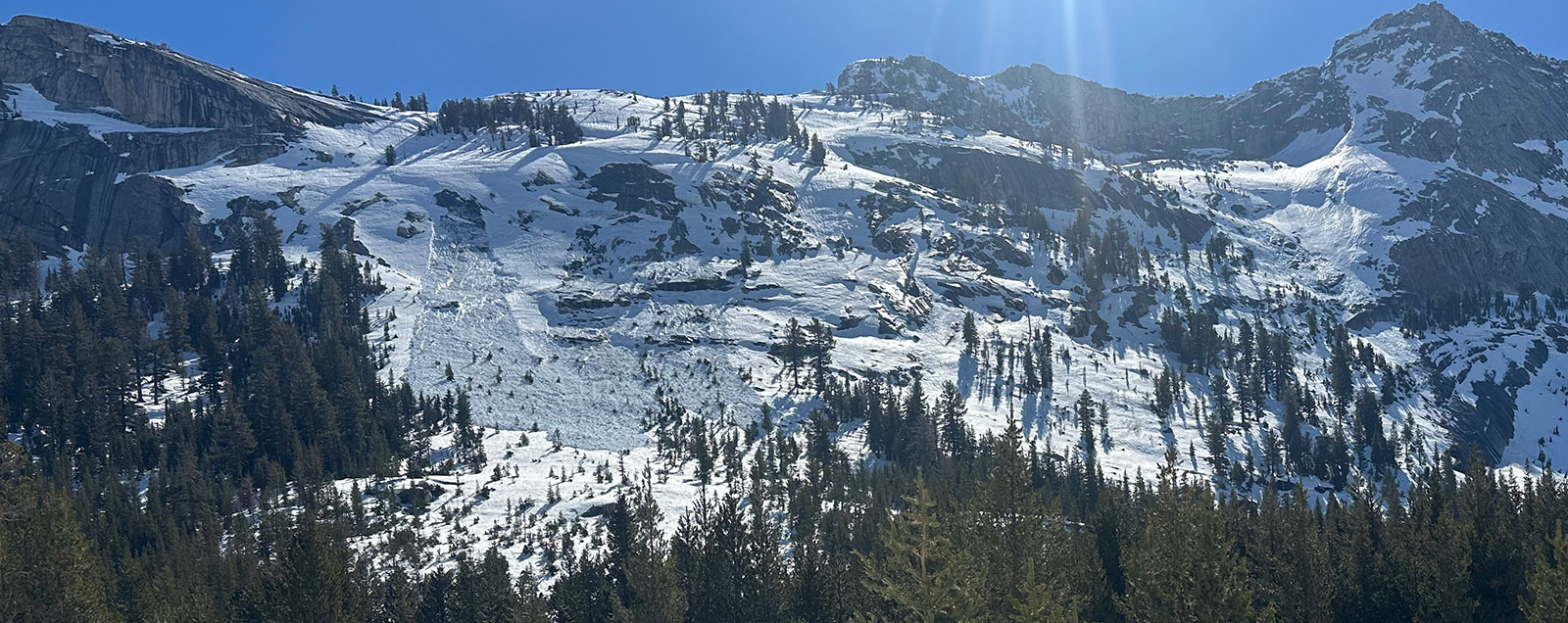
For perhaps the first time this winter since the snow started to fall, ESAC is posting low avalanche hazard at all elevations. We observed evidence of numerous glide avalanches during our travels west this week, many of which may have occurred on nights where the snowpack was unstable due to poor or no overnight freeze cycles. But presently the biggest hazard may be the variety of snow conditions in the alpine zone.
Wildlife
“Trees, trees, beautiful trees!” The brown creeper celebrates as we all should year round. The backup band (the woodpeckers) are testing the acoustics of the various snags in “their” territory. And, for some reason, all we could think of was “cheese-burgers” as we skied home from our last snow survey, thanks to call of the mountain chickadees.
Not to ruffle any bird experts’ feathers, but upon cursory and amateur(!) comparison of local red crossbills’ call spectrograms, it may indeed be the Type 5 lodgepole pine crossbill and not the Type 2 ponderosa that we hear most winters as apparently “to the human ear” we only pick up the more obvious “clip, clip, clip” or “kip, kip, kip” notes. Either way, it’s still music to our ears! (Crossbills of North America: Species and Red Crossbill Call Types - eBird).
Questions
The Tuolumne Meadows Ski Hut is open! And, thanks to the hard work of the Historic Preservation Crew, renovation is complete and it looks so warm and cozy! This primitive cabin is the campground reservation office in the summer and is located along the Tioga Road at the entrance to the campground. It is marked with a sign. There is firewood and 10 bunks that are available on a first-come, first-served basis. For those visiting the Tuolumne Meadows Ski Hut from the east (only) permits are self-issued at the Ski Hut. For those entering from other areas, please see Yosemite’s website: https://www.nps.gov/yose/planyourvisit/wildfaq.htm#winter or you may contact the wilderness office at 209/372-0740. Do not rely on electricity or phone service at the ski hut.
Come prepared, and please make good decisions while traveling in the wilderness!
Read through the following four pages before embarking on any day or overnight snow travel within this park:
You may contact us with any additional winter Tuolumne Meadows related questions but response times may vary if we are away on patrol.
“Cheeseburger in paradise!
”Laura and Rob Pilewski - Tuolumne Meadows winter rangers