An official website of the United States government
Here's how you know
Official websites use .gov A
.gov website belongs to an official government
organization in the United States.
Secure .gov websites use HTTPS A
lock (
) or https:// means you've safely connected to
the .gov website. Share sensitive information only on official,
secure websites.
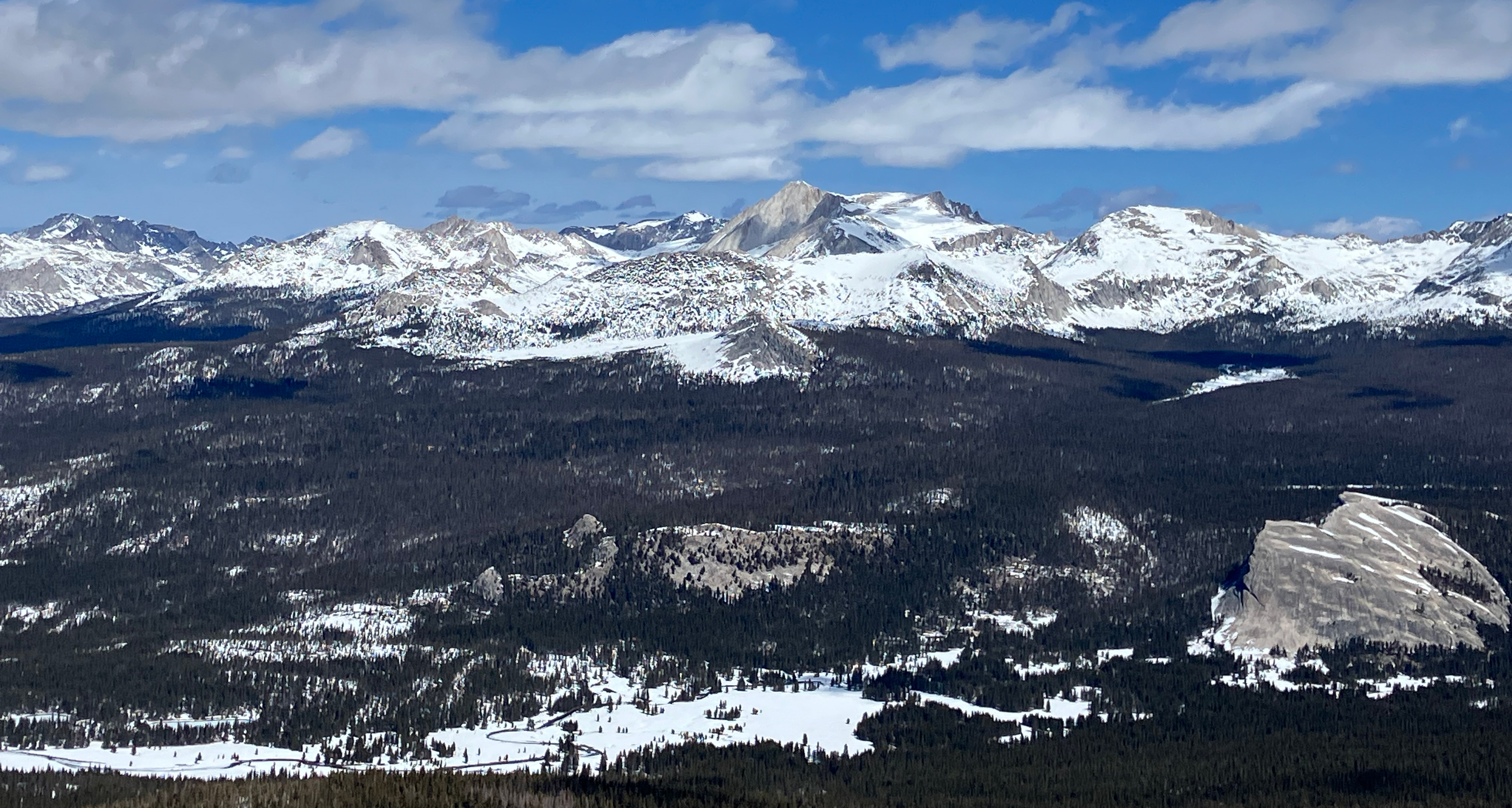
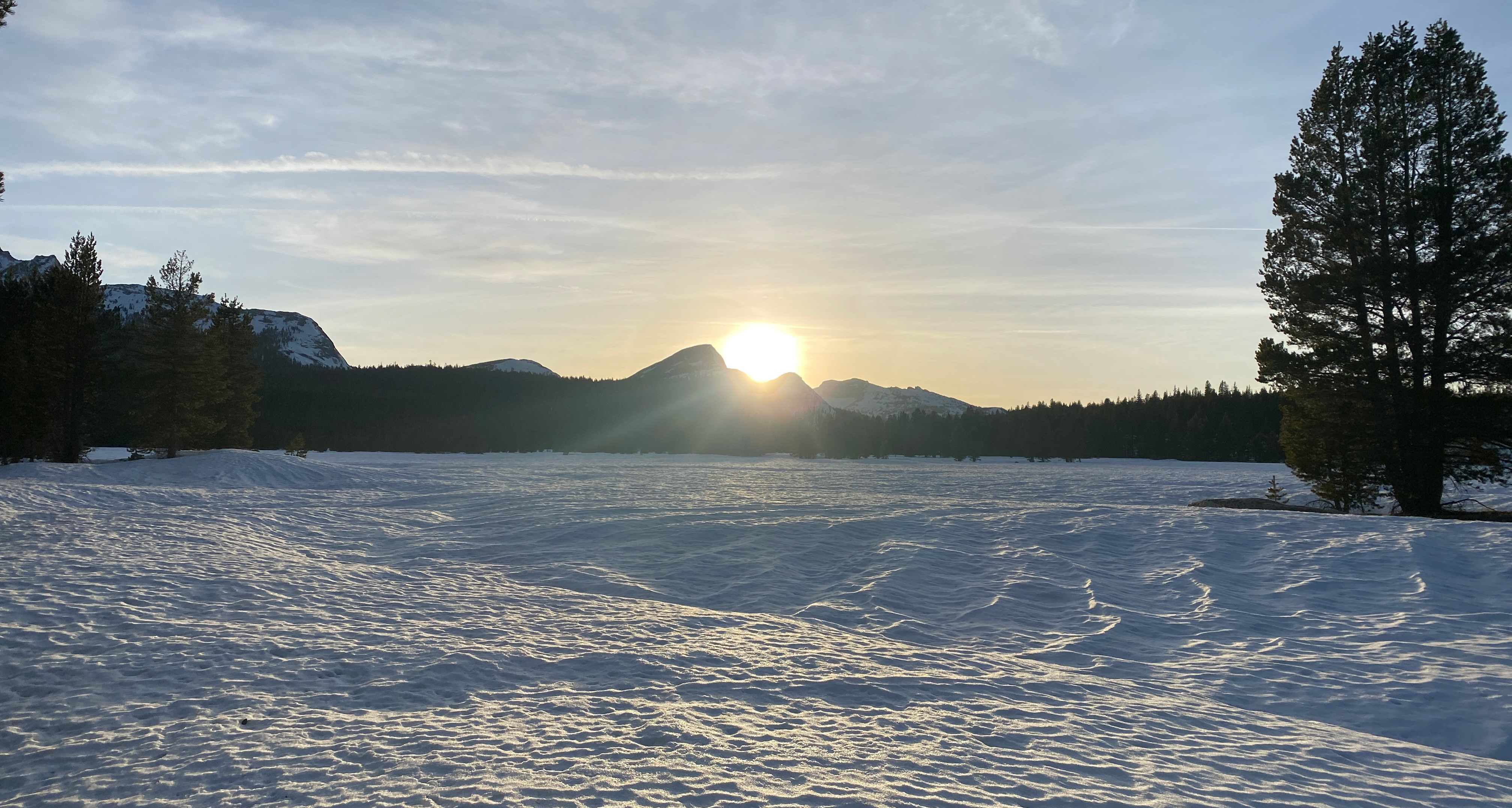
Mt Conness on March 13, 2026.New Snow: none Settled Snow Depth: 31 inches High temperature: 66°F (March 17) Low temperature: 18°F (March 11)
Ski Conditions and Weather
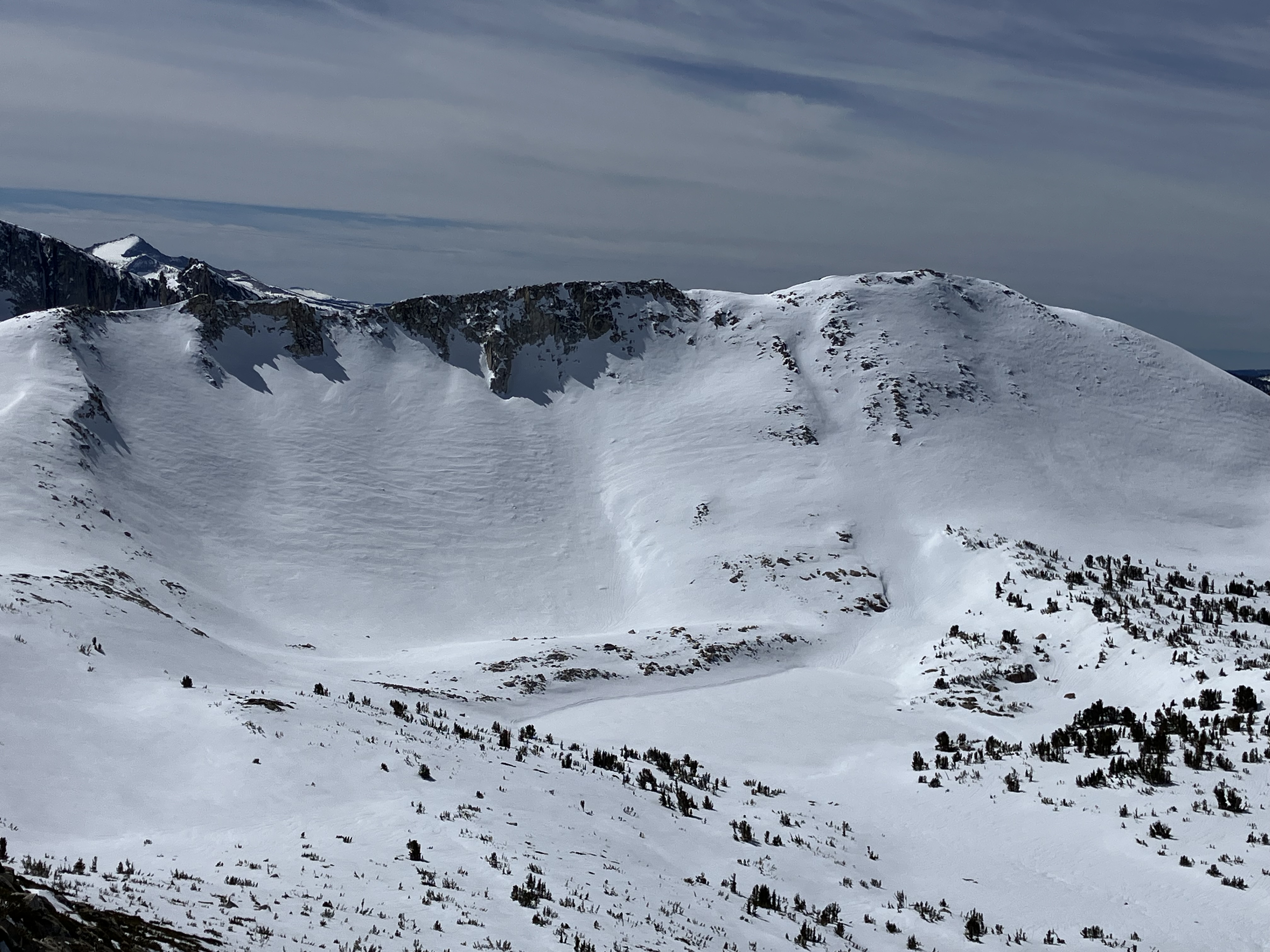
Obata Lake and the Whaleback on March 14, 2026.
This week, Bridgeport Avalanche Center held an avalanche and snow science refresher for Yosemite National Park employees who travel and work in avalanche terrain. We are entering another active avalanche cycle, and this helps us and local avalanche mitigation teams perform their duties more safely. As we all know, many lives have been lost in recent history while opening roads and ski areas in the name of public safety. And when it comes to snowpack, we are literally entering uncharted waters, so safety is paramount.
As of this writing, the Sierra Nevada is in the midst of an unprecedented heat wave. Temperatures are forecast to hit 70°F over the next four days! Although this winter started with average precipitation amounts, we are now entering a warm (vs. "dry") snow drought (https://www.drought.gov/topics/snow-drought). For perhaps one of the first times since 1926, snow surveyors such as us have been requested to perform mid-month snow surveys in attempt to capture how quickly this snowpack is disappearing. As drought.gov states, "Every major river basin in the West experienced its first or second warmest winter (December, January, and February) on record."
That said, it feels rather absurd to state that "ski conditions were good this week in Tuolumne Meadows." But mental health is important too. And groups like the Yosemite Winter Club have been coming out here since 1928! Recreation and tourism are crucial to gateway communities.
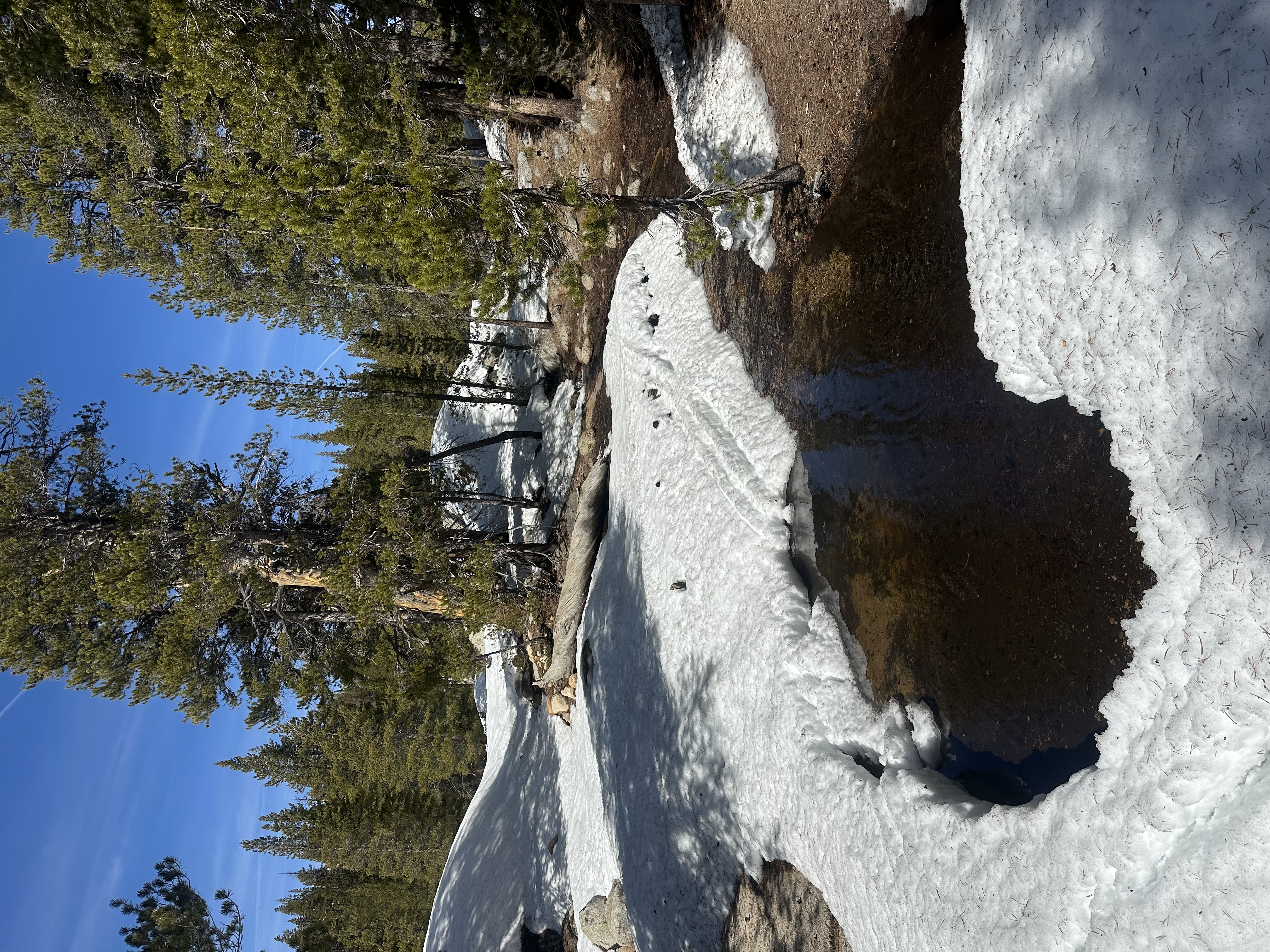
Snow Creek Cabin has closed early due to lack of snow. Snowline in that zone is just below Tioga Road in this area. The road corridor still has ample snow to ski east of Tioga Pass to the Warren Fork. Last week, overnight lows resulted in a decent freeze of the snow surface here in the Tuolumne Meadows zone. The remote weather stations in the area, however, have been reporting above-freezing temperatures at the higher elevations for the past couple of nights. Vogelsang, for example, has been reading overnight lows in the 40s. Due to solar effects and hot temperatures, snow surfaces are rapidly becoming more textured (or non-existent!) as this water percolates towards the bottom of the snowpack. The Tuolumne River gage is now potentially peaking around four feet.
Normally, time of day and thawing play the biggest roles in the avalanche hazard in "springtime." But things are not "normal," so be vigilant no matter when or where you are travelling in the mountains until conditions stabilize. If you're lucky enough to find a snow bridge, do not trust its integrity. And it may be gone when you return. Dry logs may become submerged as well. Don't anticipate crossing frozen lakes on ski tours. Have contingency plans. Maybe it's time to relax and do a bird count.
Wildlife
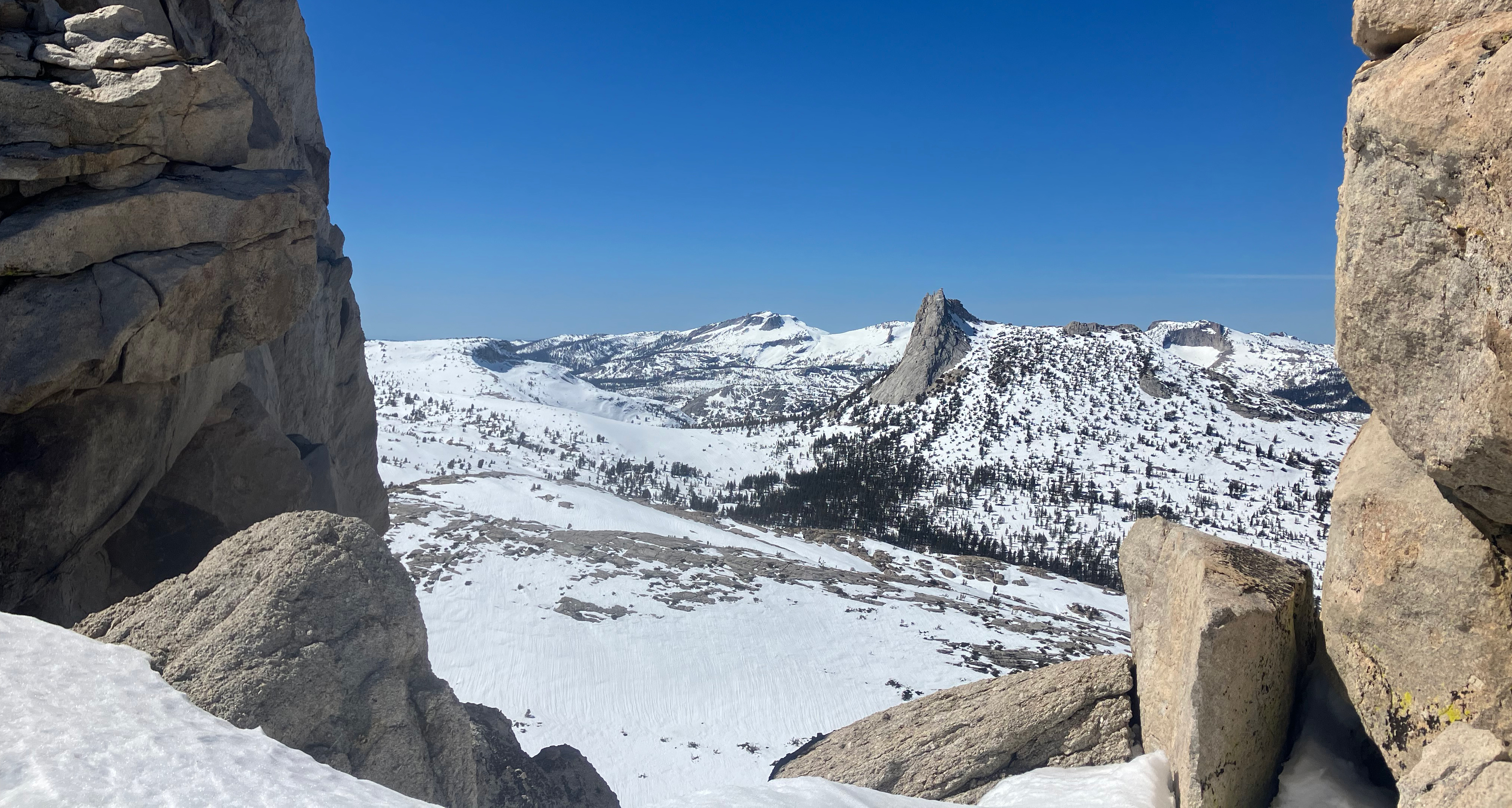
Indeed, visitors and birds alike felt a sense of Zugunruhe and flocked to the high country this week. Common ravens were trying to steal our lunch at Elizabeth Lake. At 10,000 feet, a rufous hummingbird was surely disappointed to find a visitor’s bright orange jacket was not filled with nectar. With the Tuolumne River now wide open, the bald eagle started "Fish-mas" a month early. And the early bird, the American robin, is literally able to get its worm on the south facing aspects of Lembert. Dark-eyed juncos are trilling shortly after dawn. A few drumbeats of sapsuckers, and yes, residents, northern flicker have joined in. The killdeer has staked its claim to Soda Spring and the song sparrow its spot among the willows. Gray-crowned rosy finches were seen east of Tioga Pass among the mineral soils. Great horned and saw whet owls are bantering at dusk. The river sounds end our day with the perfect lullaby. With a "winter" like this, we wonder to ourselves if it really was just a dream! Cathedral Peak on March 15, 2026.
Questions
The Tuolumne Meadows Ski Hut is open! And, thanks to the hard work of the Historic Preservation Crew, renovation is complete and it looks so warm and cozy! This primitive cabin is the campground reservation office in the summer and is located along the Tioga Road at the entrance to the campground. It is marked with a sign. There is firewood and 10 bunks that are available on a first-come, first-served basis. For those visiting the Tuolumne Meadows Ski Hut from the east (only) permits are self-issued at the Ski Hut. For those entering from other areas, please see Yosemite’s website: https://www.nps.gov/yose/planyourvisit/wildfaq.htm#winter or you may contact the wilderness office at 209/372-0740. Do not rely on electricity or phone service at the ski hut.
Come prepared, and please make good decisions while traveling in the wilderness!
Read through the following four pages before embarking on any day or overnight snow travel within this park: