



Last updated: April 3, 2026
Lesson Plan
The Hardest Miles: Lesson Four of Forging Freedom (Noble Train of Artillery) Unit Series
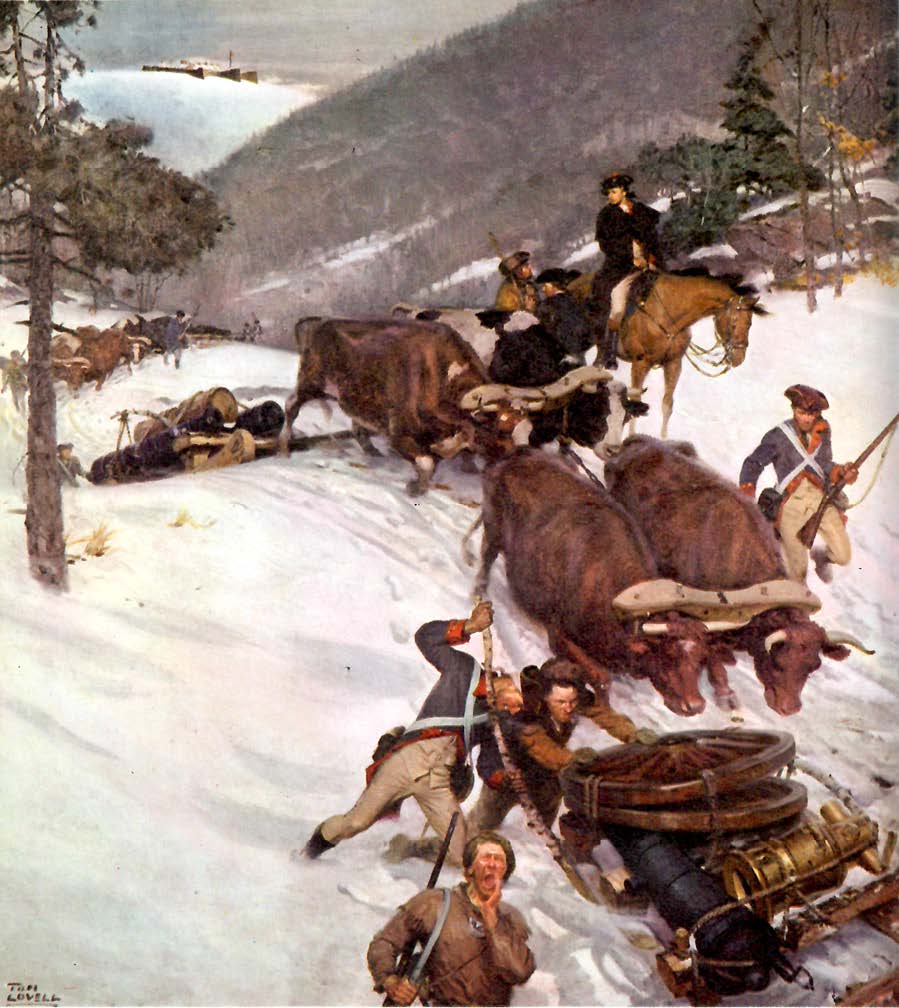
Henry Knox’s men and oxen hauling a heavy cannon through deep snow on a steep mountain pass during the Noble Train of Artillery.
Tom Lovell
- Grade Level:
- Upper Elementary: Third Grade through Fifth Grade
- Subject:
- Social Studies
- Lesson Duration:
- 60 Minutes
- Thinking Skills:
- Applying: Apply an abstract idea in a concrete situation to solve a problem or relate it to a prior experience. Analyzing: Break down a concept or idea into parts and show the relationships among the parts. Creating: Bring together parts (elements, compounds) of knowledge to form a whole and build relationships for NEW situations.
Essential Question
What does a community need to give up in order to support a revolution?
Objective
I can…
Explain how local towns supported Henry Knox’s transport of cannons.
Describe the challenges of gaining community support during the Revolution.
Take on historical roles to debate and decide how a town might contribute to the Patriot cause.
Reflect on the risks and sacrifices of Revolutionary communities.
Background
Central Massachusetts towns in 1776 were small, self-sufficient communities facing shortages of food, labor, and supplies. Patriots and Loyalists often lived side by side, creating tensions. Knox’s train of artillery required local support—oxen, sleds, food, and manpower. Some towns offered help readily; others hesitated, fearing loss of resources or British retaliation.
Brookfield is often remembered as one of the towns that rallied to Knox’s aid, helping repair sleds and clear roads. Framingham, closer to Boston, was strategically important for the final approach. Teachers should emphasize that the Revolution depended not only on soldiers and leaders but also on ordinary citizens making difficult sacrifices.
Preparation
Materials Needed
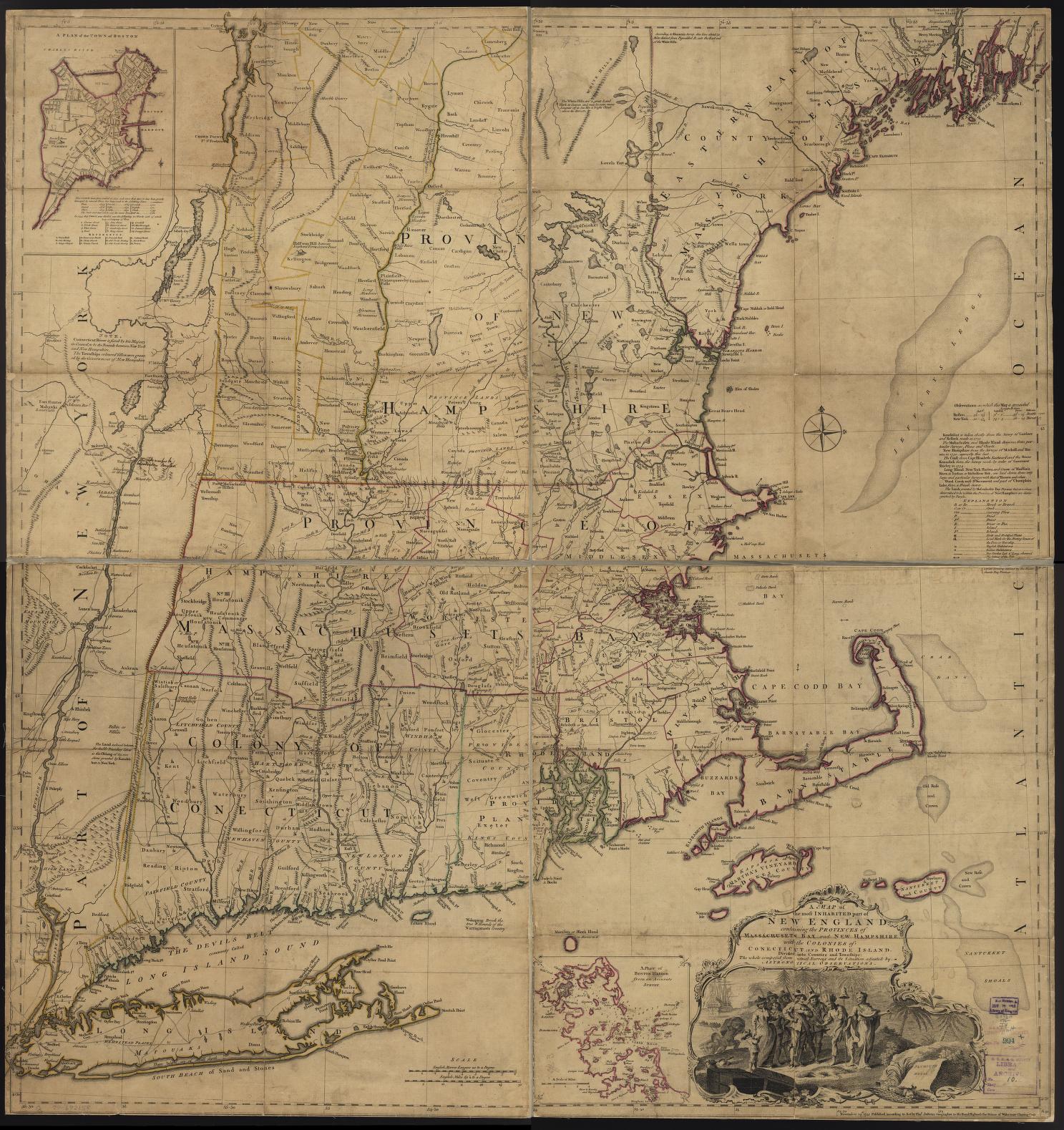
Period map of central Massachusetts showing Brookfield, Leicester, and Framingham
Town profiles (with local resources, hardships, weather conditions, and personal backstories) Role cards for students (farmer, blacksmith, tavern keeper, teamster, child, selectman, etc.) Journals or writing paper for first-person reflections
Teacher Prep Steps
- Create or copy town profiles with varying resources and challenges.
- Assign or distribute role cards (or allow students to choose).
- Set up classroom space to simulate a “Town Hall” circle.
- Prepare prompt questions for discussion.
Materials
Period map of central Massachusetts showing Brookfield, Leicester, and Framingham
Role cards for students (farmer, blacksmith, tavern keeper, teamster, child, selectman, etc.)
Town profiles (with local resources, hardships, weather conditions, and personal backstories)
Lesson Hook/Preview
As Knox’s train entered central Massachusetts, it passed through dozens of small towns—each one crucial to the mission’s success. Roads were narrow and rutted. Hills rose steeply. Ice melted and mud formed. But the biggest obstacles weren’t just natural—they were human. Would towns help? Could they spare oxen? Did they even have supplies left to give?
Knox’s team faced both generosity and resistance. In places like Brookfield, townspeople came together to clear roads, reinforce sleds, and feed the men. In others, suspicion or fear made help harder to find. The Patriots didn’t just rely on soldiers—they relied on communities.
This lesson invites students into that dilemma. They step into the shoes of Massachusetts townsfolk, weighing risks, sacrifices, and choices in a roleplay “Town Hall.” By debating and journaling as historical characters, students explore the civic side of the Revolution: the ordinary people whose decisions shaped history.
Procedure
Activity 1: Launch (5 minutes)
Step One: Display a period map of central Massachusetts.
Ask: “What do you notice about the land between Springfield and Boston?”
Step Two: Offer the prompt: “Henry Knox is coming through your town. He needs help. What will you do?”
Activity 2: Mini Lesson (10 minutes)
Step One: Review how towns supported the Revolution beyond battlefields.Step Two: Introduce key roles: blacksmiths, farmers, carpenters, teamsters, millers, children.
Step Three: Share short excerpts from town records or letters (if available).
Activity 3: Historical Scenario Prep (10 minutes)
Step One: Assign students roles and town profiles. Each group learns about their town’s resources, hardships, and character backstories.Step Two: Students prepare arguments for or against helping Knox.
Activity 4: Town Hall Roleplay (20 minutes)
Step One: Arrange classroom as a meeting circle. One student acts as the selectman moderating the discussion.Step Two: Students argue, negotiate, and decide what their town will contribute (oxen, wood, food, labor, or nothing)
Step Three: Teacher circulates, prompting: “What happens if you give too much?”
Activity 5: Reflection and Journaling (10 minutes)
Step One: Students write a first-person journal entry as their character, responding to:- What did they decide to give?
- What did they risk by helping—or refusing?
Activity 6: Closing Discussion (5 minutes)
Step One: Teacher leads reflection: “Why were communities so important to Knox’s mission? What sacrifices kept the Revolution alive?”Step Two: Connect back to Essential Question: “What does a community need to give up to support a revolution?”
Vocabulary
- Selectman – An elected leader in a New England town during the 18th century.
- Teamster – A person who drove teams of horses or oxen for hauling goods.
- Loyalist – A colonist who remained loyal to Britain during the Revolution.
- Patriot – A colonist who supported independence.
- Provision – Supplies such as food, tools, or fuel.
- Town Hall – A meeting where community members gathered to make decisions.
Related Lessons or Education Materials
Stop 4, Palmer to Framingham | Springfield Armory, Forging Freedom Series
The Spark at Ticonderoga: Lesson One of Forging Freedom (Noble Train of Artillery) Unit Series
Ice, Iron, and The Hudson: Lesson Two of Forging Freedom (Noble Train of Artillery) Unit Series
The Turning Point in Springfield: Lesson Three of Forging Freedom (Noble Train of Artillery) Unit Series