



Last updated: April 3, 2026
Lesson Plan
The Turning Point in Springfield: Lesson Three of Forging Freedom (Noble Train of Artillery) Unit Series
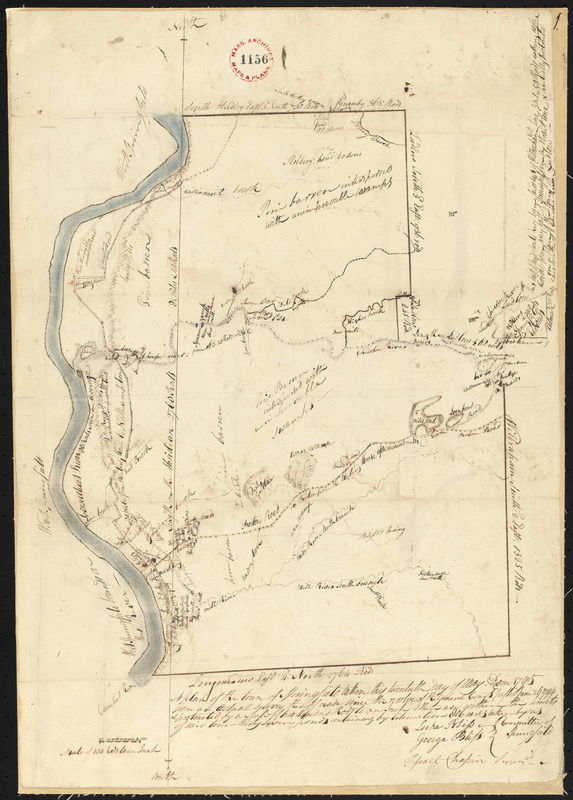
Springfield, MA in 1795
Israel Chapin
- Grade Level:
- Upper Elementary: Third Grade through Fifth Grade
- Subject:
- Social Studies
- Lesson Duration:
- 60 Minutes
- Common Core Standards:
- 5.RI.3, 4.SL.1, 5.SL.4
Essential Question
What made Springfield such a great area, geographically and otherwise, to become the major supply center for the Revolution?
Objective
I can…
Identify geographic and strategic features that made Springfield an ideal supply depot.
Analyze Henry Knox’s reasoning in recommending Springfield as a depot.
Compare Springfield’s location and terrain with other Revolutionary War sites.
Use evidence from primary and secondary sources to support a written argument.
Background
By early 1776, Henry Knox had nearly completed his mission to move artillery from Fort Ticonderoga. Arriving in Springfield, Massachusetts, Knox recognized the town’s potential beyond being a simple waypoint. Its location along the Connecticut River allowed water transport; its road network connected it to both Boston and New York; surrounding farmland could provide food and supplies; and the hills offered defensible ground for storage and operations.
In May 1777, Knox wrote to John Adams, explaining why Springfield was superior to Brookfield as a site for a permanent arsenal. He noted he had already given his opinion to Washington and Congress, though no direct letter to Washington has survived.
Teachers should emphasize that Springfield marked a turning point: the Revolutionary effort shifted from survival and improvisation to coordinated supply and long-term planning.
Preparation
Materials Needed:
- Map of New England highlighting Springfield, Boston, and New York
- 1776 map of Springfield (reconstructed or simplified for students)
- Excerpt from Knox’s 1777 letter to John Adams (student-friendly version)
- Terrain comparison images (Boston vs. Springfield)
- Visuals of 18th-century supply systems
- Writing paper or digital devices for letters
Teacher Prep Steps
- Review Knox’s 1777 letter (provide highlighted excerpts).
- Prepare station materials (letter excerpt, maps, terrain comparisons, visuals).
- Set up 3–4 physical or digital stations.
Materials
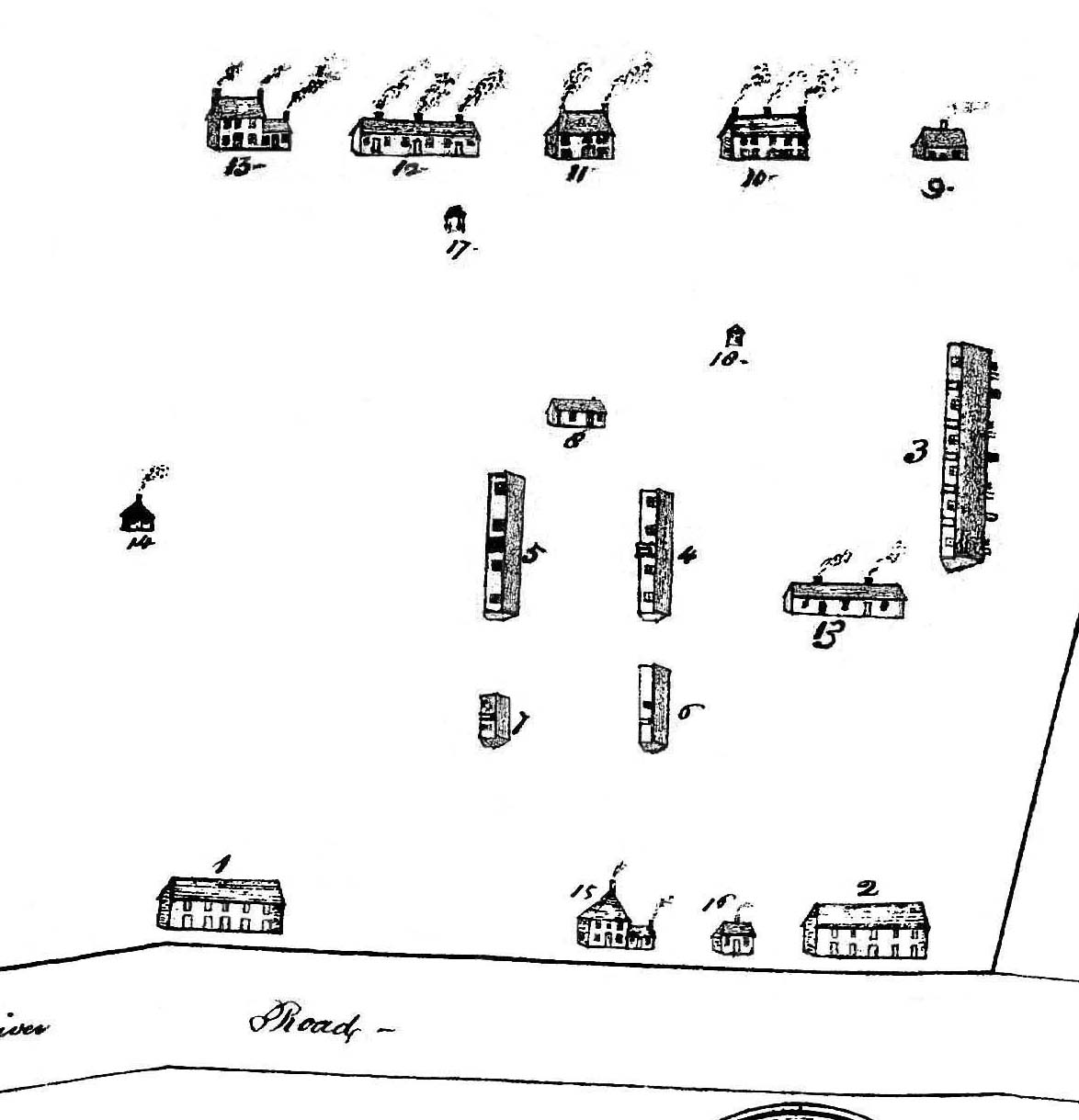
A map of Springfield Arsenal
Excerpt from Knox's 1777 letter to John Adams (student-friendly version)
Download Knox to John Adams letter
A topographic map of Springfield from 1884
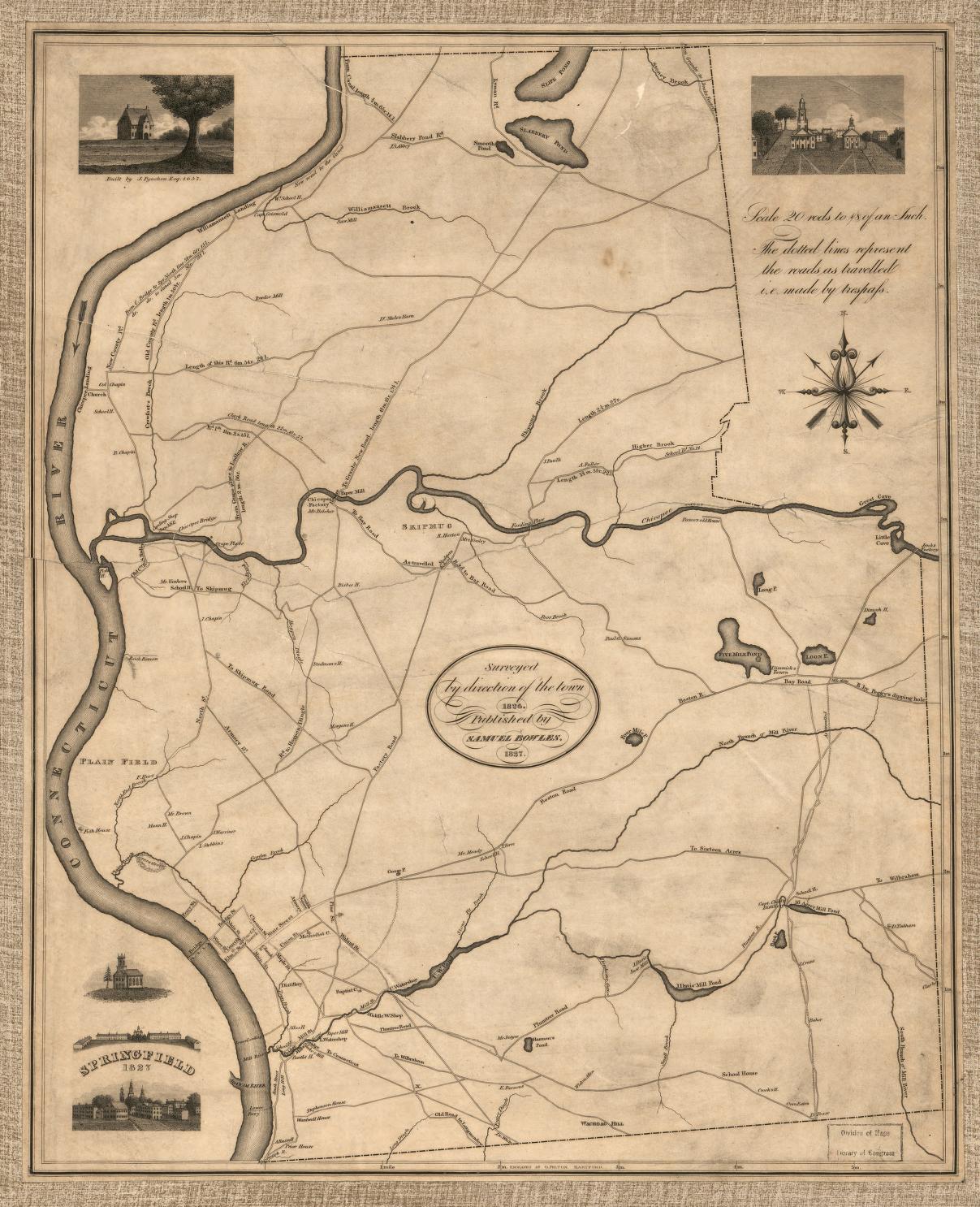
A map of Springfield in 1827
Lesson Hook/Preview
In early 1776, Henry Knox arrived in Springfield after hauling artillery from Fort Ticonderoga. More than a stop on the route, Springfield revealed itself as an ideal hub: located on the Connecticut River, connected by roads to Boston and New York, supported by farmland, and naturally defensible.
A year later, in 1777, Knox wrote to John Adams of the Continental Congress. In this letter, he explained that Springfield was “greatly preferable” to other towns for an arsenal and supply depot. He added that he had already shared his opinion with General Washington and Congress. This recommendation shaped Springfield’s role in the Revolution and beyond.
In this lesson, students step into Knox’s perspective. Through maps, excerpts from Knox’s 1777 letter, terrain comparisons, and supply chain visuals, they evaluate Springfield’s strengths and challenges. They then take on Knox’s role by drafting persuasive letters to Washington, recommending Springfield as the depot that could help win the war.
Procedure
Activity 1: Launch (5 minutes)
Step One: Teacher reads aloud a vignette:
“Imagine you’ve just led 60 tons of cannon through snow and mountains. You reach a hilltop town with a river nearby, quiet streets, and space to breathe. What would make a town like this worth more than just a rest stop?”
Step Two: Students brainstorm aloud: food, water, protection, roads, location.
Step Three: Chart student answers under “Springfield’s Possibilities.”
Activity 2: Mini Lesson (10 minutes)
Step One: Display a map of New England with Springfield, Boston, and New York marked.
Prompt: “What makes a place strategic in wartime?”
Step Two:Teacher highlights Springfield’s advantages:
- Connecticut River (transportation, water power)
- Road network to major cities
- Farmland for supplies
- Hills for defense
Activity 3: VR/Visual Exploration (10 minutes)
Students view VR scene.
Set purpose: “Look and listen for signs that show Springfield could support an army.”
Activity 4: Source & Map Stations (15 minutes)
Step One:Divide class into small groups. Rotate through stations:
- Knox’s 1777 letter to John Adams
- Map of Springfield
- Terrain comparison of Springfield vs. other major potential “hubs”
- Visuals of 18th- century supply systems
Activity 5:Writer’s Workshop - Persuading Washington and Congress (15 minutes)
Step One: Teacher sets the task:
“You are Henry Knox. Imagine you are writing to General Washington. Use evidence from Knox’s real 1777 letter, plus maps and visuals, to persuade him that Springfield should be the main supply depot.”
Step Two: Students draft short persuasive letters (4–5 sentences minimum).
Step Three: Teacher circulates, coaching students to use specific evidence: geography, defense, logistics.
Activity 6: Presentations & Vote (5 minutes)
Step One: Select 3–4 volunteers to read lightning-pitch versions of their letters (1 minute each).
Step Two: Class listens, then votes on the most persuasive proposal.
Step Three: Close with reflection:
“Why do you think Knox’s idea worked? How did Springfield’s strengths set the stage for the Revolution’s future?”
Vocabulary
Depot– A storage center for military supplies.
Supply Chain– The system of producing, transporting, and delivering resources.
Strategic Location– A place chosen for its military, geographic, or logistical advantages.
Defensible– Easy to protect from attack due to terrain or fortifications.
Logistics– The organization of moving and supplying armies.
Connecticut River– A major waterway that made Springfield valuable for transport.
Related Lessons or Education Materials
The Spark at Ticonderoga: Lesson One of Forging Freedom (Noble Train of Artillery) Unit Series
Ice, Iron, and The Hudson: Lesson Two of Forging Freedom (Noble Train of Artillery) Unit Series
The Hardest Miles: Lesson Four of Forging Freedom (Noble Train of Artillery) Unit Series