



Black women have always served on the front-line in the fight for equality. Although their contributions were sometimes overlooked in both the Civil Rights and Women’s Movements, their power, resilience, and courage cannot be overstated. Black women have a distinctive standpoint from which to understand the intersection of race and gender and their unique experience of oppression. The women highlighted in here are connected by an intricate network of activists that spans several generations. Through their stories – revealed in National Park Service parks and programs -- we gain a better understanding of what it takes to meet the promise of justice and equality for all.
-
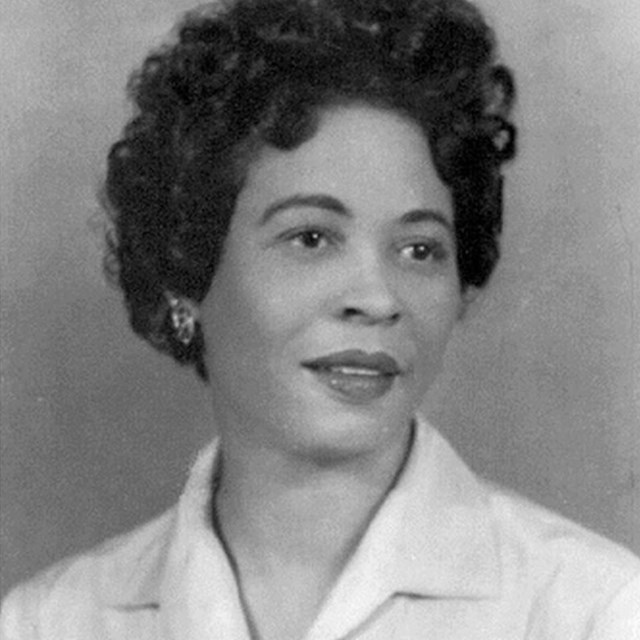 Daisy Bates
Daisy Bates was an African American civil rights activist and newspaper publisher. She documented the fight for desegregation in Arkansas.
-
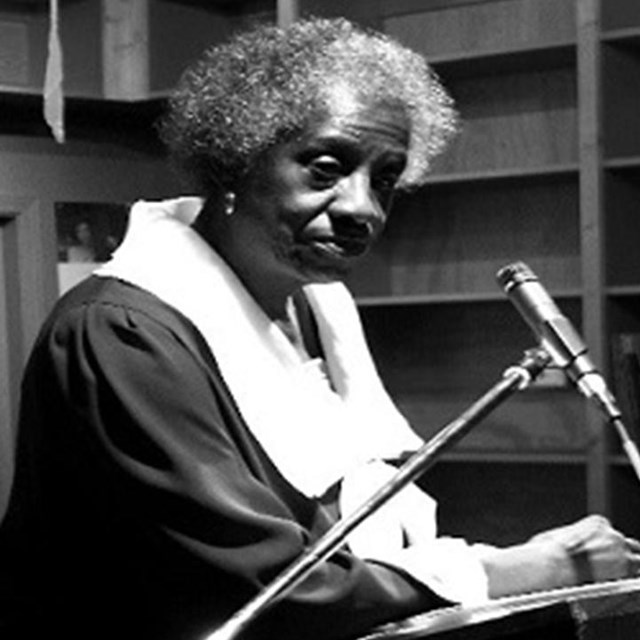 Unita Blackwell
Born to sharecroppers in the Mississippi Delta, Blackwell rose from humble beginnings to become a heroine of the Civil Rights movement.
-
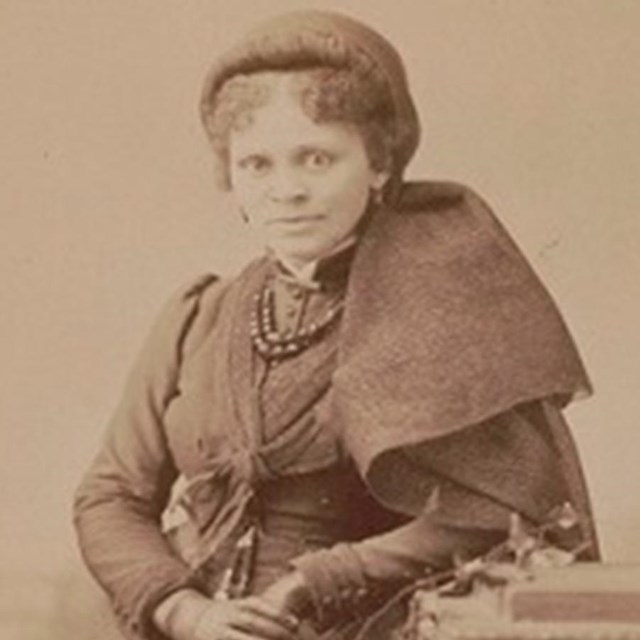 Hallie Quinn Brown
There are people who give great speeches, and there are those who perform them. Hallie Quinn Brown was one of the few who performed them.
-
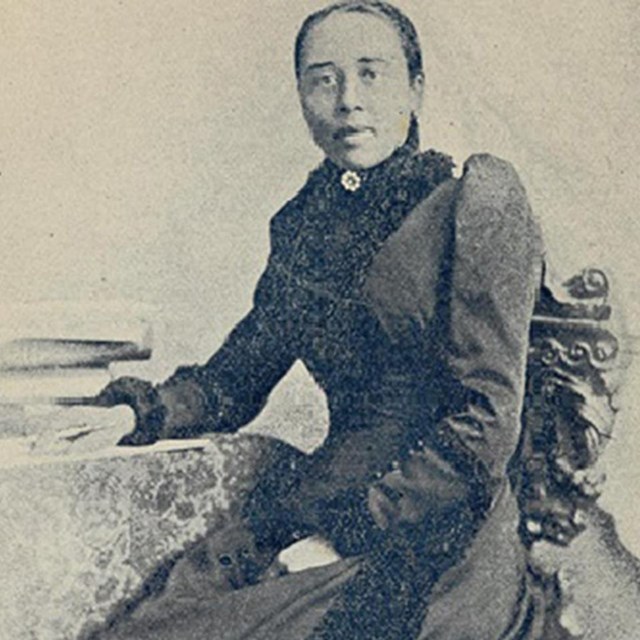 Dr. Anna Julia Cooper
Born into slavery in 1859, Cooper would become a distinguished author, activist, educator, and scholar.
-
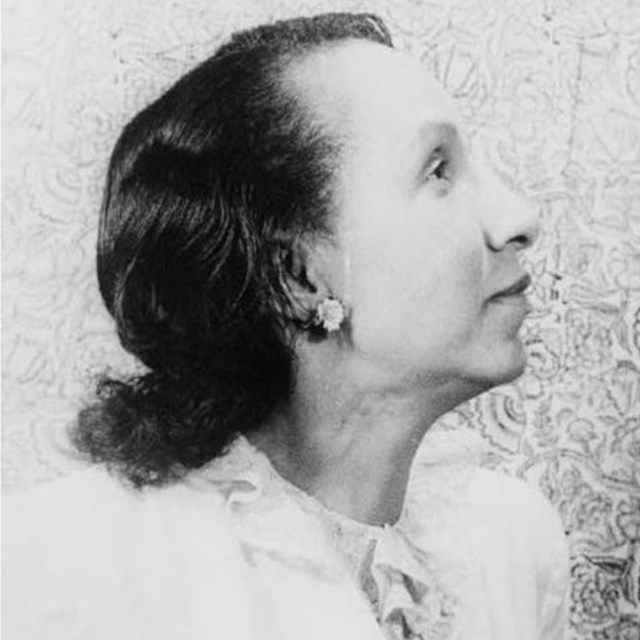 Shirley Graham Du Bois
Before Shirley Graham married W.E.B. Du Bois in 1951, she had earned a national reputation as a playwright, composer, director, and author.
-
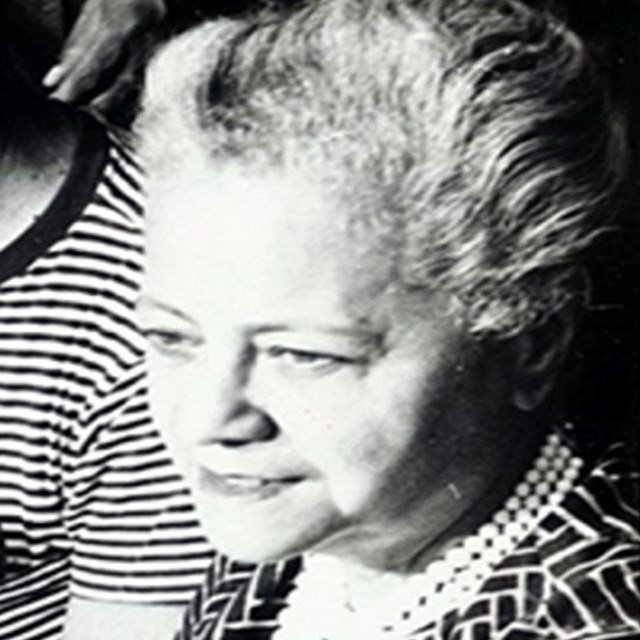 Anna Arnold Hegeman
Anna Hedgeman participated in and led some of the 20th century’s most important developments, including education, public health, & justice.
-
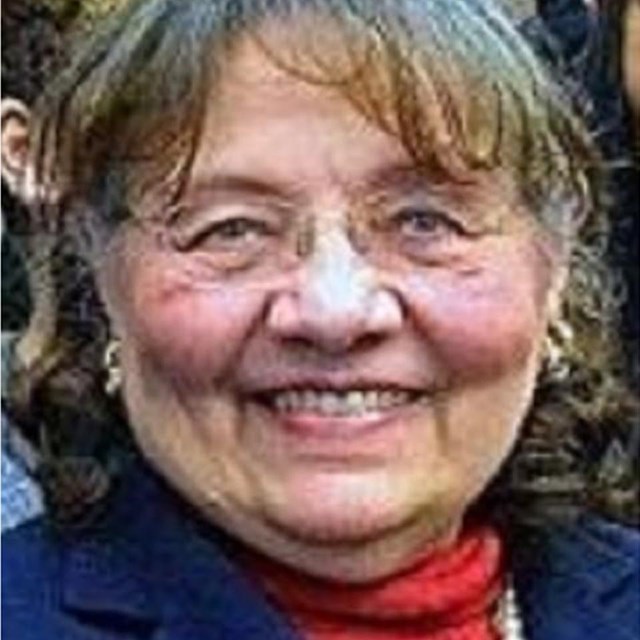 Diane Judith Nash
For Nash, nonviolence is not a strategy or tactic, nor it is simply the absence of violence. It is a way of life.
-
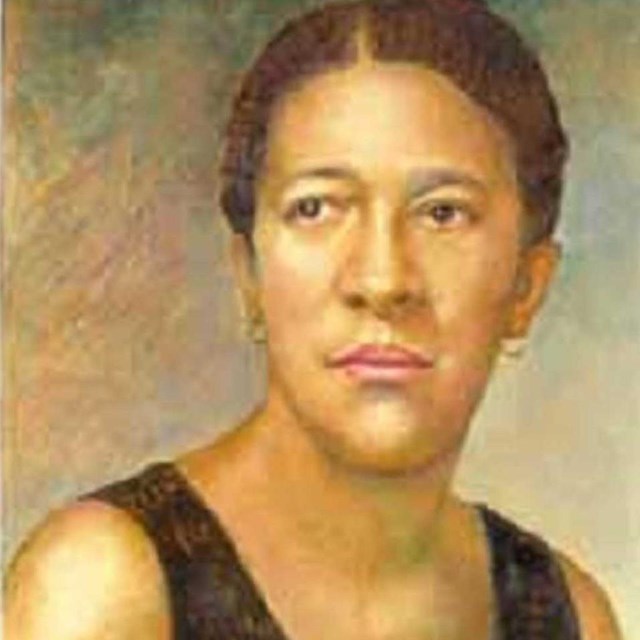 Modjeska Monteith Simkins
Modjeska Simkins was the matriarch of the Civil Rights Movement in South Carolina. She was also a leader in African-American public health.
-
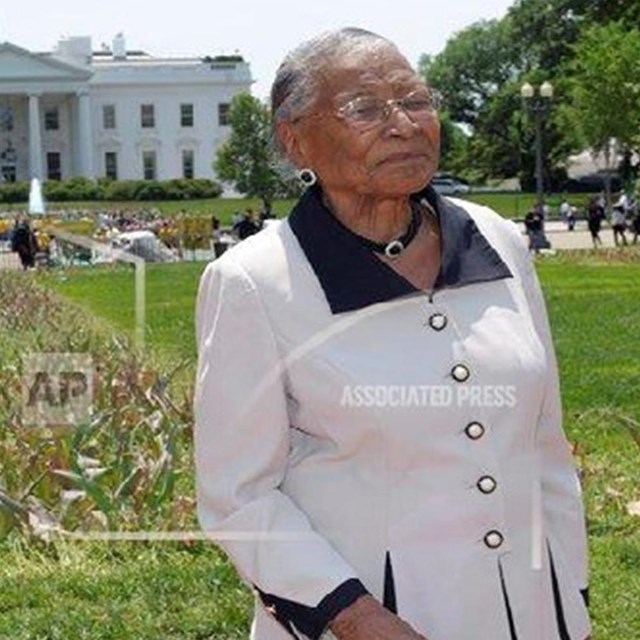 Mrs. Recy Taylor
Through their testimonies, Black women like Mrs. Taylor fought against sexualized violence and sparked larger campaigns for racial justice
Learn More About Black Women and the Struggle for Equality
Last updated: October 22, 2024