




Inupiaq and Athabascan people and their ancestors traveled long distances over rough terrain throughout the central Brooks Range. Their knowledge of the land enabled them to survive on the plants and animals available during each season. Caribou is particularly important as they migrate through the Brooks Range. Archaeological evidence shows there were cooperative, organized game drives designed to efficiently harvest this abundant, but fleeting, resource that was critical to survival.
-
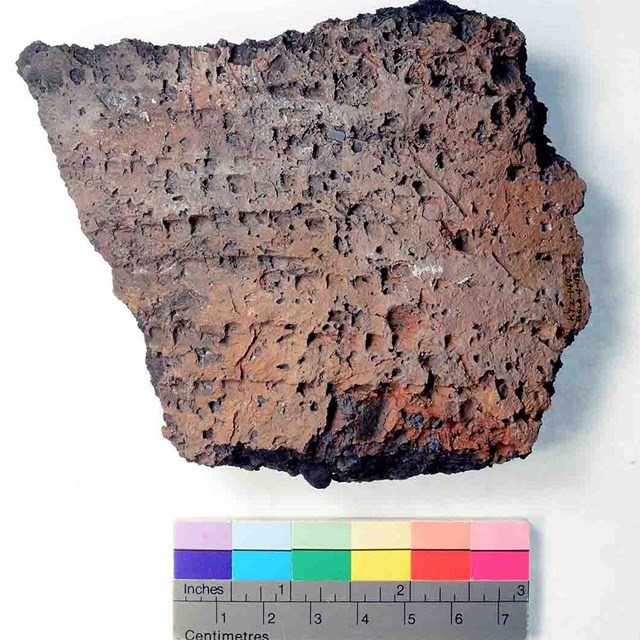 Bering Land Bridge National PreserveHistory and Culture
Parts of the Seward Peninsula have been inhabited by humans for at least 12,000 years.
-
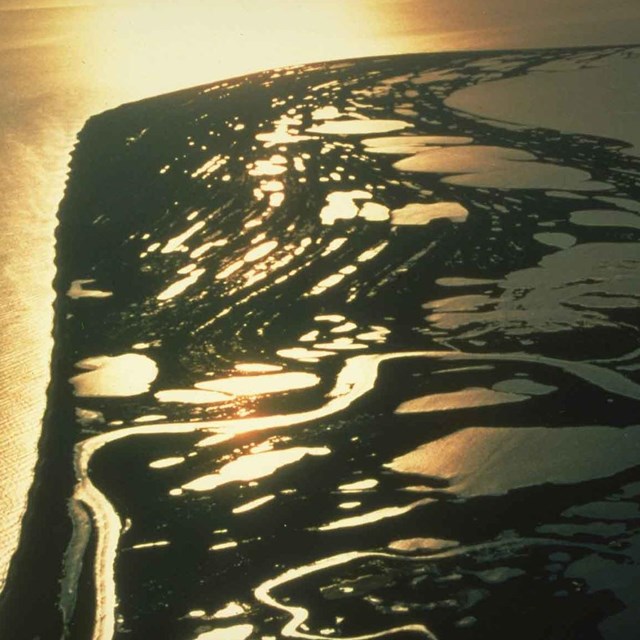 Cape Krusenstern National MonumentHistory and Culture
The beach ridges of Cape Krusenstern show a long history of occupation by many different people.
-
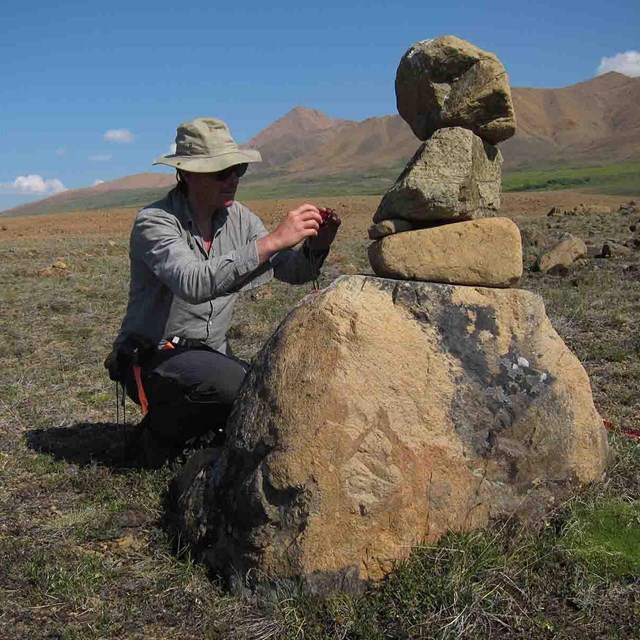 Gates of the Arctic Nat'l Park&PresHistory and Culture
People have lived in the Brooks Range for more than 13,000 years and thousands of archeological sites document their existence.
-
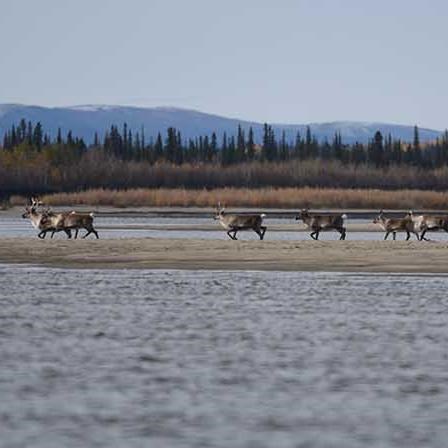 Kobuk Valley National ParkHistory and Culture
At a wide bend in the Kobuk River, archeologists have found evidence that for at least 9,000 years, the caribou herd has used this crossing.
-
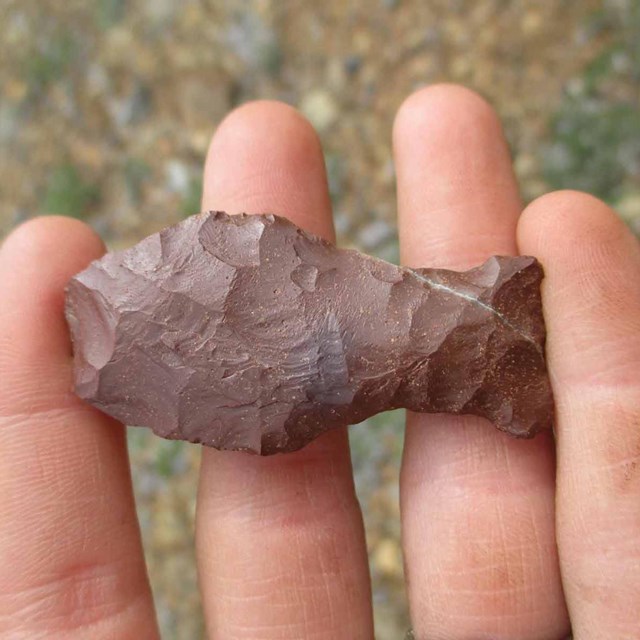 Noatak National PreserveHistory and Culture
Noatak National Preserve has been home to people for well over 11,000 years.
Last updated: July 29, 2019