
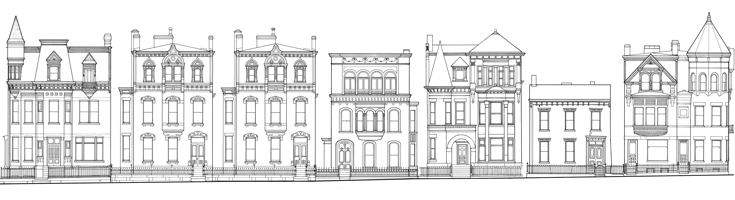










Ybor City
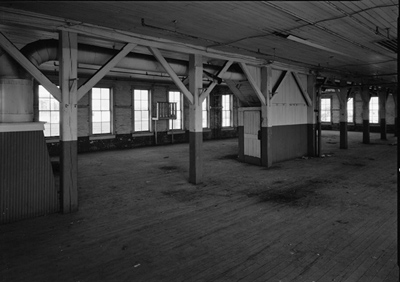
Tampa, Florida
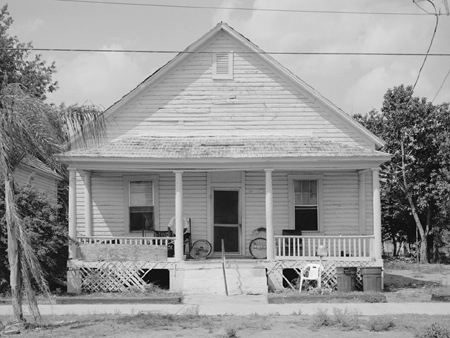
The architecture of Ybor City grew out of the need to attract and maintain a stable, peaceful workforce. When Vicente Ybor moved his cigar factory from Key West to the Tampa outskirts in 1885, he encouraged workers to take jobs in his labor-intensive cigar factory by constructing a company town with a solid factory and substantial housing in a variety of types, ranging from cottages to more upscale dwellings. During the ensuing decades, he enticed additional cigar manufacturers to Ybor City, as well as a variety of other immigrant groups, including Italians and Germans, each of which built their own uniquely-designed social clubs that added to the town's architectural flavor. Ybor City became Tampa's 4th District in 1887, but retained its name and distinct identity as "Little Havana" for its prolific cigar production and high concentration of Cuban cigar makers.
Learn More...
- All HABS documentation of Ybor City (various survey numbers)
- HABS documentation of Gutierrez Building (HABS FL-263)
- HABS documentation of El Dorado Hotel (HABS FL-264)
- HABS documentation of B. F. Marcos Building (HABS FL-267)
- HABS documentation of Scozzari Brothers Building (HABS FL-269)
- HABS documentation of Ybor Cigar Factory (HABS FL-270)
- HABS documentation of Cherokee Club (HABS FL-271)
- HABS documentation of Lozano Cigar Factory (HABS FL-400)
- HABS documentation of El Progresso de Ybor Grocery (HABS FL-549)
- National Historic Landmark nomination for Ybor City Historic District
- Teaching with Historic Places lesson plan on Ybor City
- Federal website for National Hispanic Heritage Month
- National Register of Historic Places celebrates National Hispanic Heritage Month
- HDP Hispanic Heritage Month homepage


