An official website of the United States government
Here's how you know
Official websites use .gov A
.gov website belongs to an official government
organization in the United States.
Secure .gov websites use HTTPS A
lock (
) or https:// means you've safely connected to
the .gov website. Share sensitive information only on official,
secure websites.
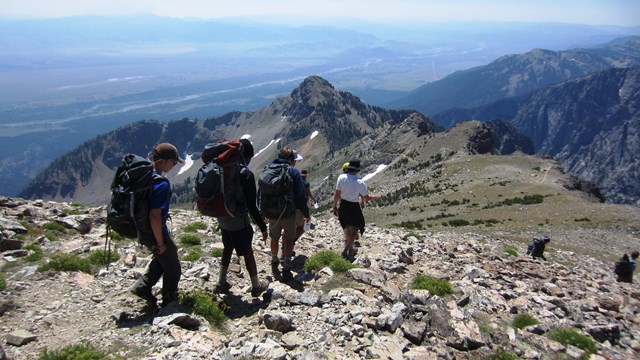
The most successful backcountry trips are a combination of the right trail, doable mileage, camp spots, and the right gear. In Grand Teton, there are many things to consider, from late season snow, to permit availability, to bear safety. With all the moving parts, use this planner to prepare for your trip into the backcountry.
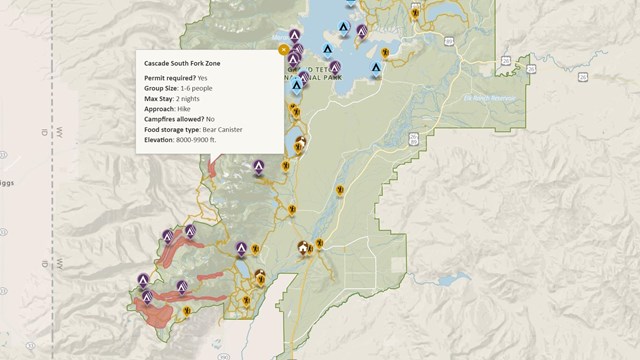
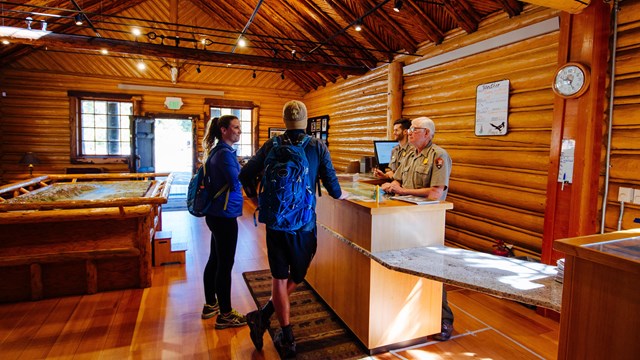
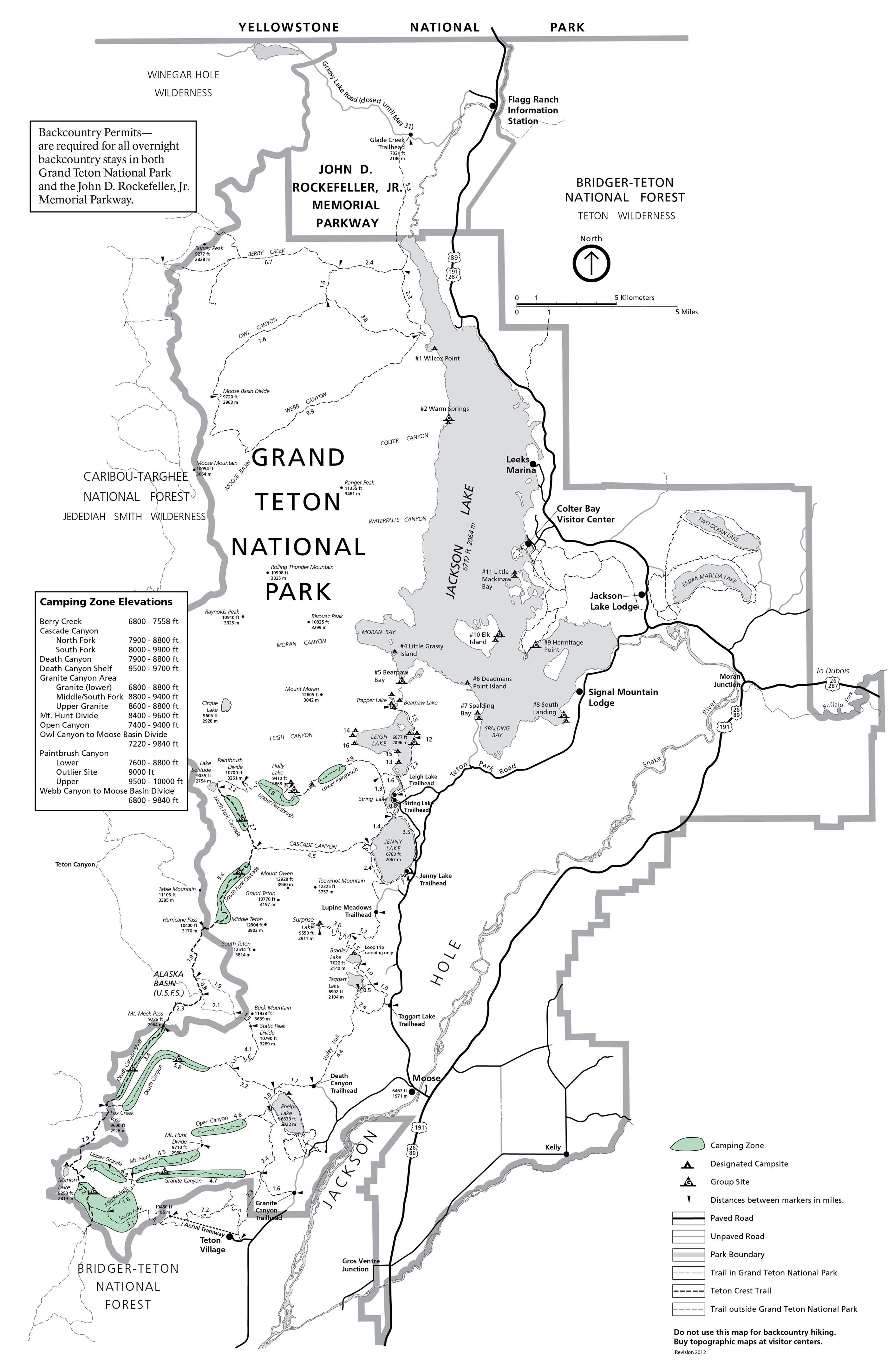
Permits are required for all overnight stays in the backcountry, whether the destination is a lakeshore site on Jackson Lake or Leigh Lake, a camping zone along the Teton Crest Trail, a Technical Climbing/Garnet Canyon area site, or a site in the remote Northern Canyons.
Explore hikes throughout Grand Teton National Park.
Get Your Permit
After you've made your plan A (and B...and maybe C), the next step is to get a permit. Backcountry camping permits are in high demand, especially in the summer months. Be flexible with your plan and dates.
Get the gear, it's time to go backcountry camping! Learn how to backcountry camp in bear country and how to travel safely in the mountains. Watch the park's video to help plan your adventure to the high country in Grand Teton National Park. Learn about safe travel, camping in bear country, clean camping practices and summer weather.
Minimize your impact and Leave No Trace of your visit to wilderness.
The requested video is no longer available.
For Your Safety
Tell someone where you are going and when you expect to return.
Solo hiking and off-trail hiking are not recommended. Check with a ranger for current information on trail conditions.
Be prepared for rapid weather changes; bring rain gear and extra clothing. Thunderstorms occur frequently during the summer, even when not forecasted. Please watch our "Summer Weather" video for more information.
High elevation may cause breathing difficulties; pace yourself. The best cure for altitude sickness is retreating to a lower elevation.
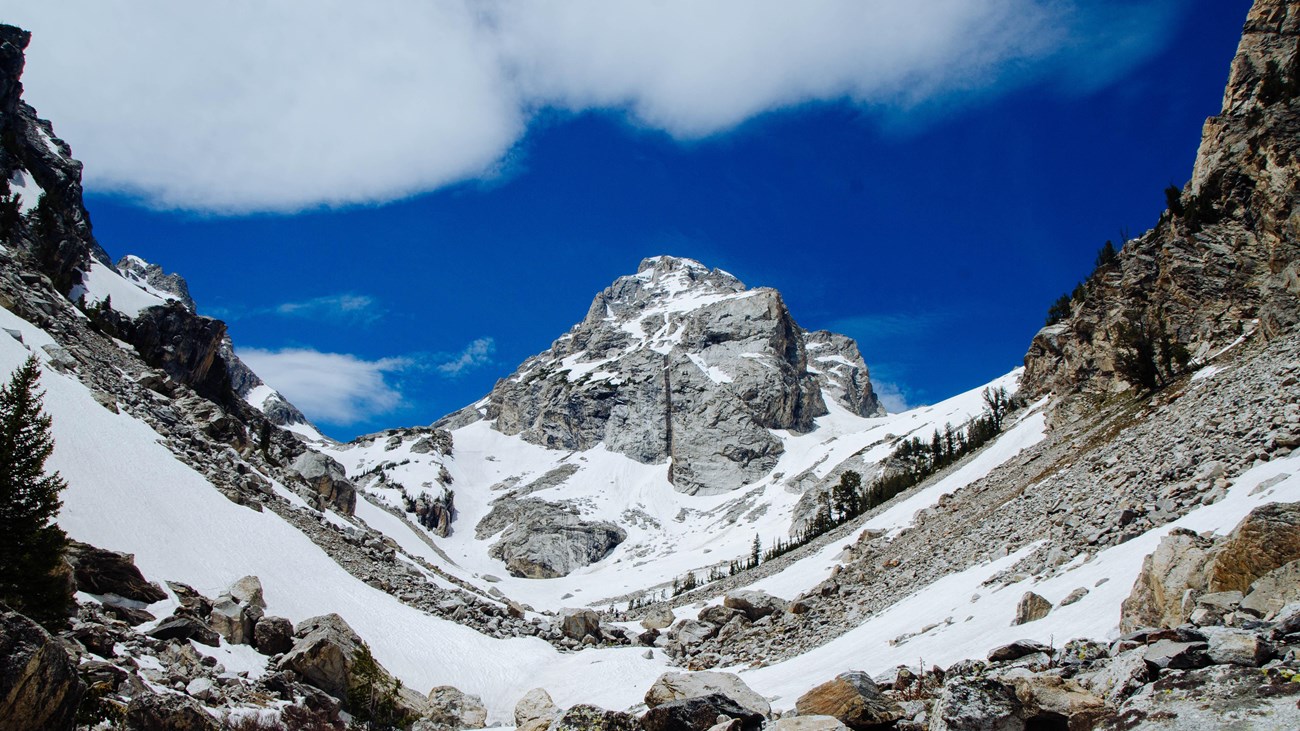
Snow melts gradually, leaving valley trails by mid-June and canyon trails by late July. Be careful crossing snowfields and streams. Do not attempt crossing steep snow without previous experience and the proper equipment.
Carry drinking water. Water sources are found throughout the park, but water should be treated. Bring tablets or water filtration devices to purify water in the backcountry.
This is bear country. Make bears aware of your presence and avoid surprising them by making loud noises like shouting or singing. Please watch our "Which Bear Did I See?" and "Protect Wildlife, Keep Your Food Safe" videos.
Things to Know
Help protect resources and ensure the backcountry experience. By signing the backcountry permit, you agree to respect the backcountry. Read and abide by the backcountry regulations printed on the back of your permit as well as park regulations and safety advisories. Failure to comply may result in fines and revocation of the permit.
Your permit is valid only for the dates, locations, and number of persons indicated.
Wood and charcoal fires are permitted only at Jackson, Leigh, Bearpaw, and Trapper lakes within established metal rings. Creating a fire ring is prohibited. Fires must be kept small. Fires must never be left unattended. Dead and downed wood may be collected. Fires must be fully extinguished, and ashes must be cool to the touch upon departure. Fuel stoves are permitted.
Pets, bikes, wheeled vehicles (wheelbarrows, kayak carts, etc.), and motorized equipment (generators, chainsaws, drones, etc.) are not permitted in the backcountry.
All garbage and food scraps must be carried out. Never bury or burn trash. Your campsite must be left clean after your stay.
Human waste must be disposed of at least 200 feet from water, the trail, and/or the campsite. Dig a 6 inch cathole for solid waste. Pack out used tissue paper and hygiene products. On Jackson Lake, all solid human waste must be packed out from the site and shoreline. Permit offices may provide WAG (waste-and-garbage) bags.
Short-cutting trails is prohibited. When hiking off-trail, stay on rock, snow, or bare ground. Avoid hiking on vegetation.
Camping is not permitted within 200 feet of water and the trail.
Drinking water must be treated.
Lakes and streams must be kept free of soap, suds, food scraps, etc.
Scented items (food, toiletries, trash, etc.) must be stored in an Interagency Grizzly Bear Committee approved, bear-resistant canister. Food must not be left unattended.
Grand Teton's bear-canister loan program is a complimentary service. Canisters must be clean upon return. Failure to return a canister is a federal violation and may require a mandatory court appearance.
Horse and stock use is limited to established trails and stock camps. Where provided, the of use of hitchrails is encouraged. Stock may not be tied to trees. Grazing is not permitted. Stock feed must be carried.
Have more questions?
Visit the backcountry FAQs page to learn more about permits and route finding.
Download the NPS App before you get here! Explore Grand Teton and discover places to visit, find a bite to eat, and a place to stay.
Last updated: May 1, 2026
Park footer
Contact Info
Mailing Address:
P.O. Box 170
Moose,
WY
83012
Phone:
307-739-3399
Talk to a Ranger? To speak to a Grand Teton National Park ranger call 307–739–3399 for visitor information Monday-Friday during business hours.