




The name Everglades has always been associated with birds. The warm, shallow, and vast River of Grass has attracted all types of birds to this region for thousands of years. In the 1800s, the well-known naturalist and artist, John James Audubon, wrote during a visit to south Florida:
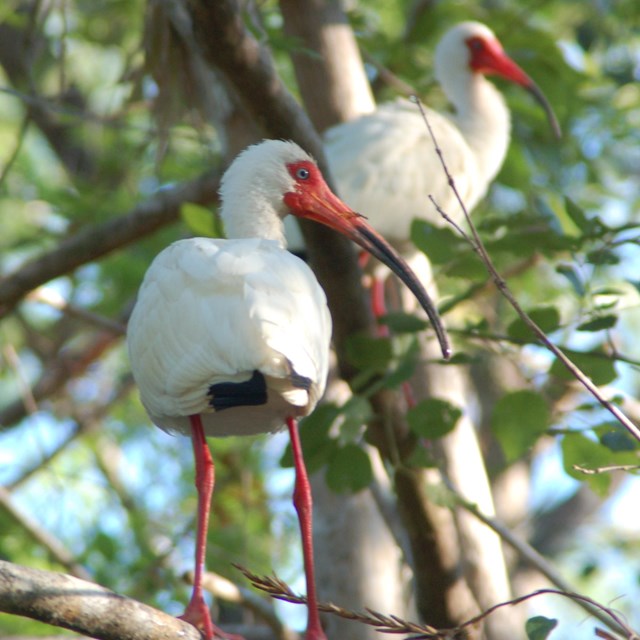
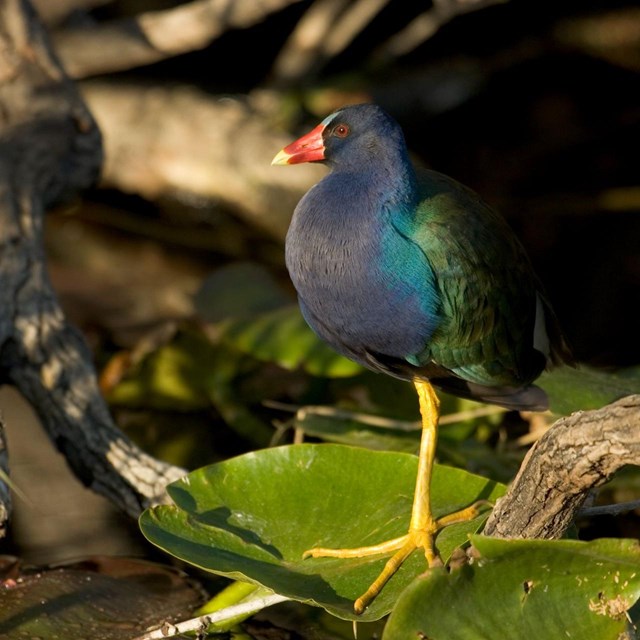
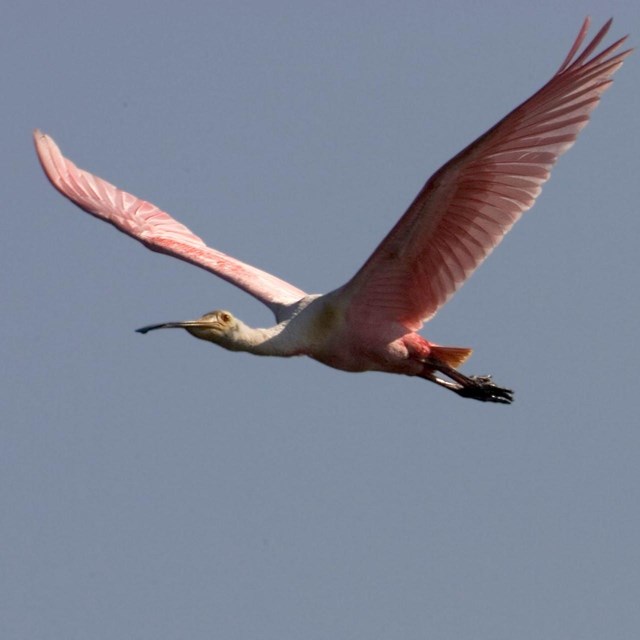
In Everglades National Park, more than 360 different species of birds have been sighted. Though there are many different ways to identify one group of birds from another, generally birds can be placed into one of three groups: wading birds, land birds, and birds of prey. Bird Species List
|
|
Bird Illustrations and More The vibrant, detailed nature illustrations on this page and others are by NPS volunteer and artist Kathleen Konicek-Moran. Kathleen has graciously allowed Everglades National Park to use her original works to help convey the vital connections inherent within the Everglades ecosystem. Learn more about Kathleen Konicek-Moran and what inspires her bountiful flow of creativity. |
 |


Last updated: April 23, 2025