
Skip to SearchSkip to NavigationSkip to BodySkip to Footer
National Park Service LogoU.S. Department of the InteriorNational Park ServiceNational Park Service
National Park Service:  U.S. Department of the InteriorNational Park Service Arrowhead
Everglades National ParkBottlenose Dolphin jumping out of water
view map
text size:largestlargernormal
printer friendly

There is only one Everglades in the World.

Everglades National Park is the largest subtropical wilderness in the United States. The area boasts rare and endangered species, such as the American crocodile, Florida panther, and West Indian manatee. It has been designated an International Biosphere Reserve, a World Heritage Site, and a Wetland of International Importance, in recognition of its significance to all the people of the world.
 
Closeup of Everglades Postage Stamp

Special 60th Anniversary Online Exhibit

Rarely seen materials from the Everglades National Park museum collection form the basis of this online exhibit celebrating the 60th anniversary of the park's establishment on December 6, 1947. The Everglades postage stamp and the First Day Covers provide insights into public perceptions at the time of the resources of Everglades National Park.
more...


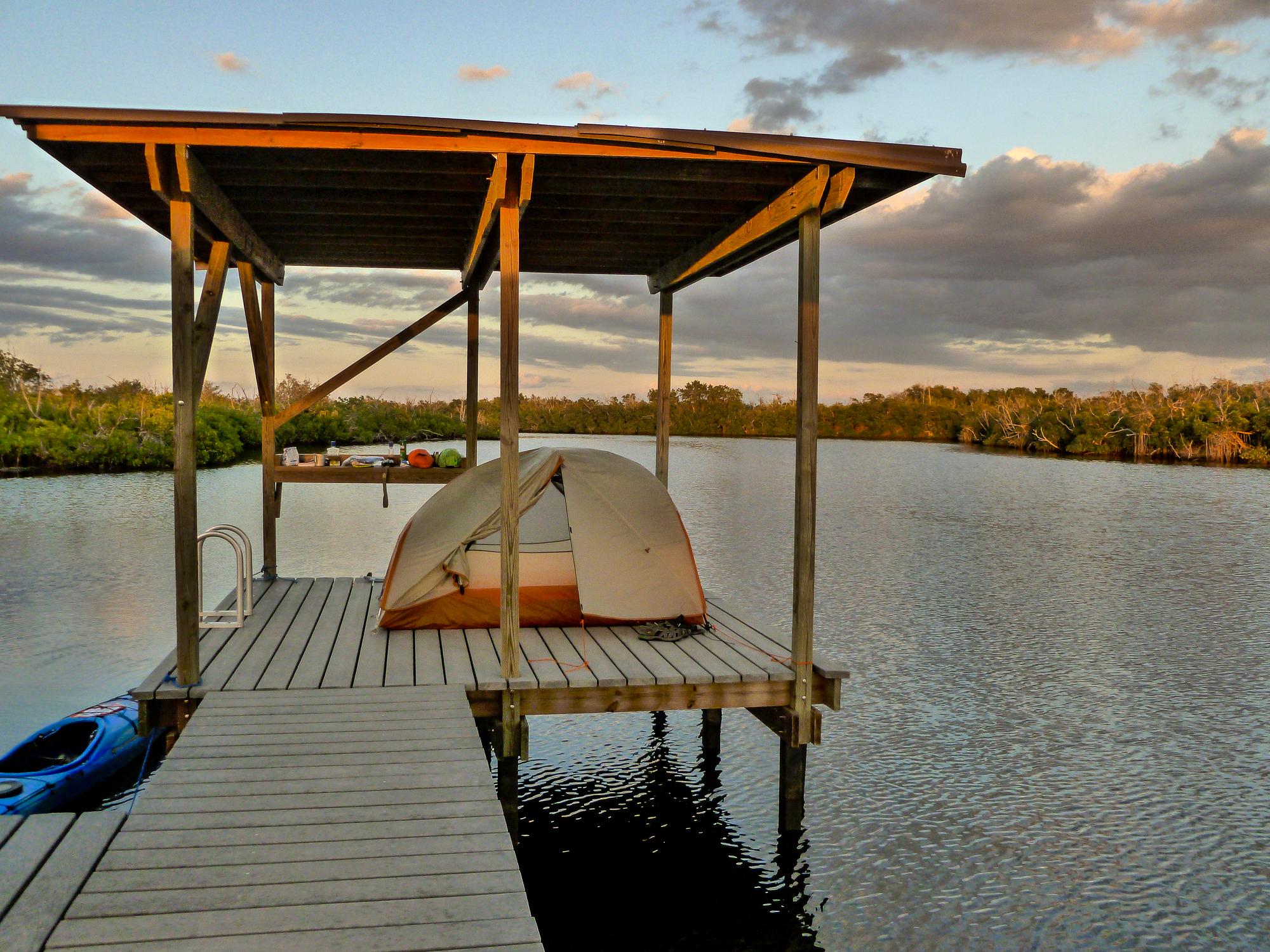
Joe River Chickee

Wilderness Camping

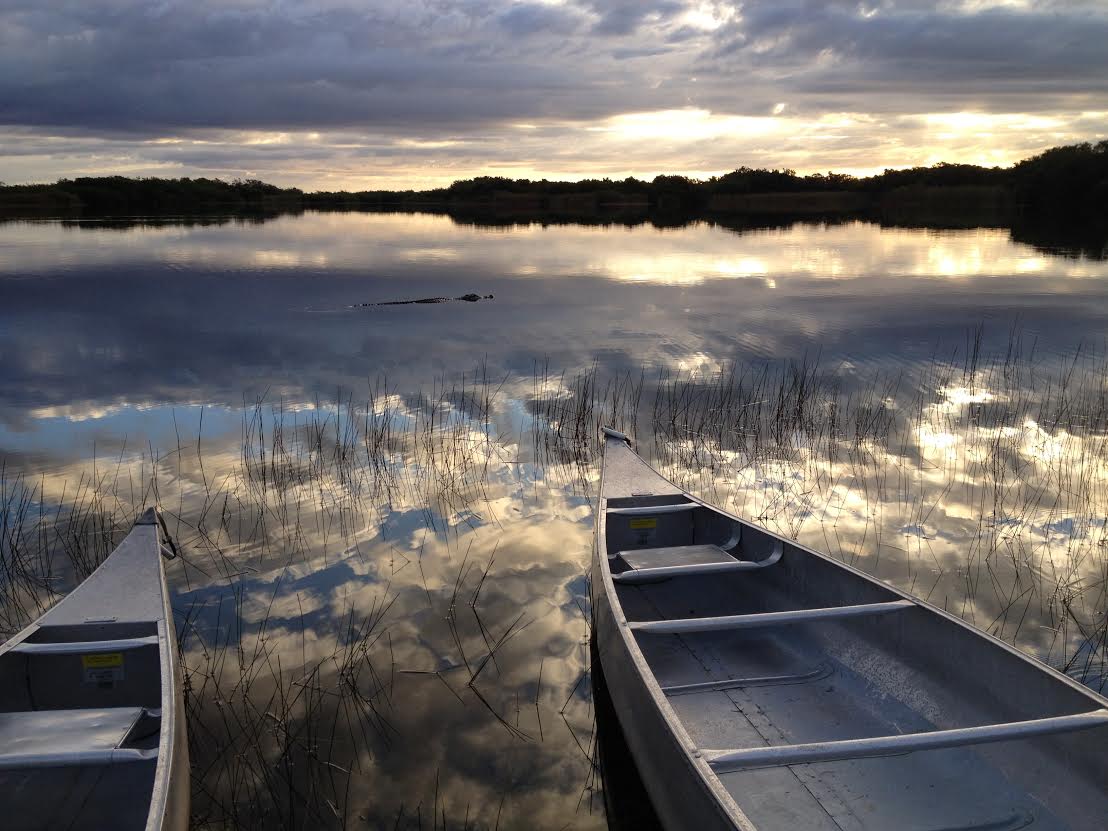
One of the best ways to experience the Everglades is to get out into it for an extended visit. With 156 miles (251 km) of canoe/kayak and walking trails and 47 designated wilderness campsites, opportunities for solitude are abundant. Most of the wilderness campsites are only accessible by boat. Safely exploring a wilderness by water requires careful preparation and planning. Permits are also required. Look over our Wilderness Trip Planner to learn more and help you plan.

Update April 19th, 2008:

Carl Ross Key: Open for day use from sunrise to sunset.
Clubhouse Beach: campsite accessible by water only (Coastal Prairie Trail closed).
Harney River Chickee: only one permit available per night with a limit of 6-campers.
more...

 
Florida Invaders Cover Art

South Florida Natural Resources Center

The South Florida Natural Resources Center (SFNRC) provides scientific information to the National Park Service units of south Florida. Learn more about climate change, ecosystem restoration, invasive species and other resource management issues. Specific information on conducting research in the park is also available.
more...
 

Write to

40001 State Road 9336
Homestead, Florida 33034-6733

E-mail Us

Phone

Visitor Information
(305) 242-7700

Emergencies in Park
(305) 242-7740

Fax

(305) 242-7711

Climate

The Everglades is mild and pleasant from December through April, though rare cold fronts may create near freezing conditions. Average temperatures in winter - High 77°F (25°C); Low 53°F (12°C). Summers are hot and humid, with temperatures around 90°F (32°C) and humidity over 90%. Afternoon thunderstorms are common and mosquitoes are abundant. The Atlantic Hurricane Season is June-November. Tropical storms or hurricanes may affect the area. Average Rainfall: 60 inches (152 cm) per year. The rainy season is June through October (mosquito season coincides with the rainy season).
Skip to SearchSkip to NavigationSkip to BodySkip to Footer
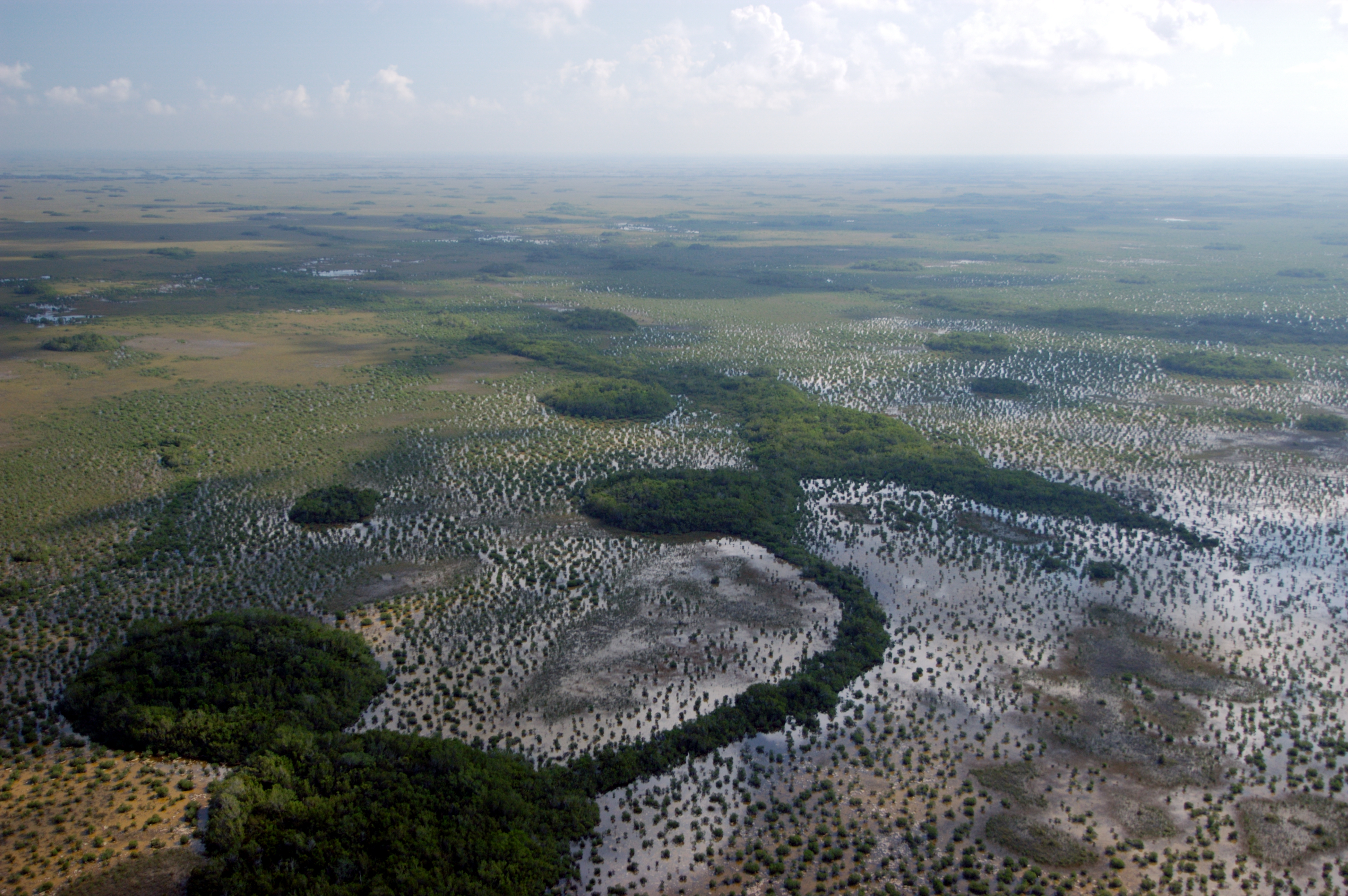
Aerial view of Everglades Coastline  

Did You Know?
Everglades National Park ranges from sea level to 20 feet above sea level on an Indian-made shell mound located on the Gulf Coast portion of the Park.

Last Updated: July 14, 2008 at 15:26 EST