
 |
 |
  |
|
|
|
 |
 |
| | |
Capitol Reef
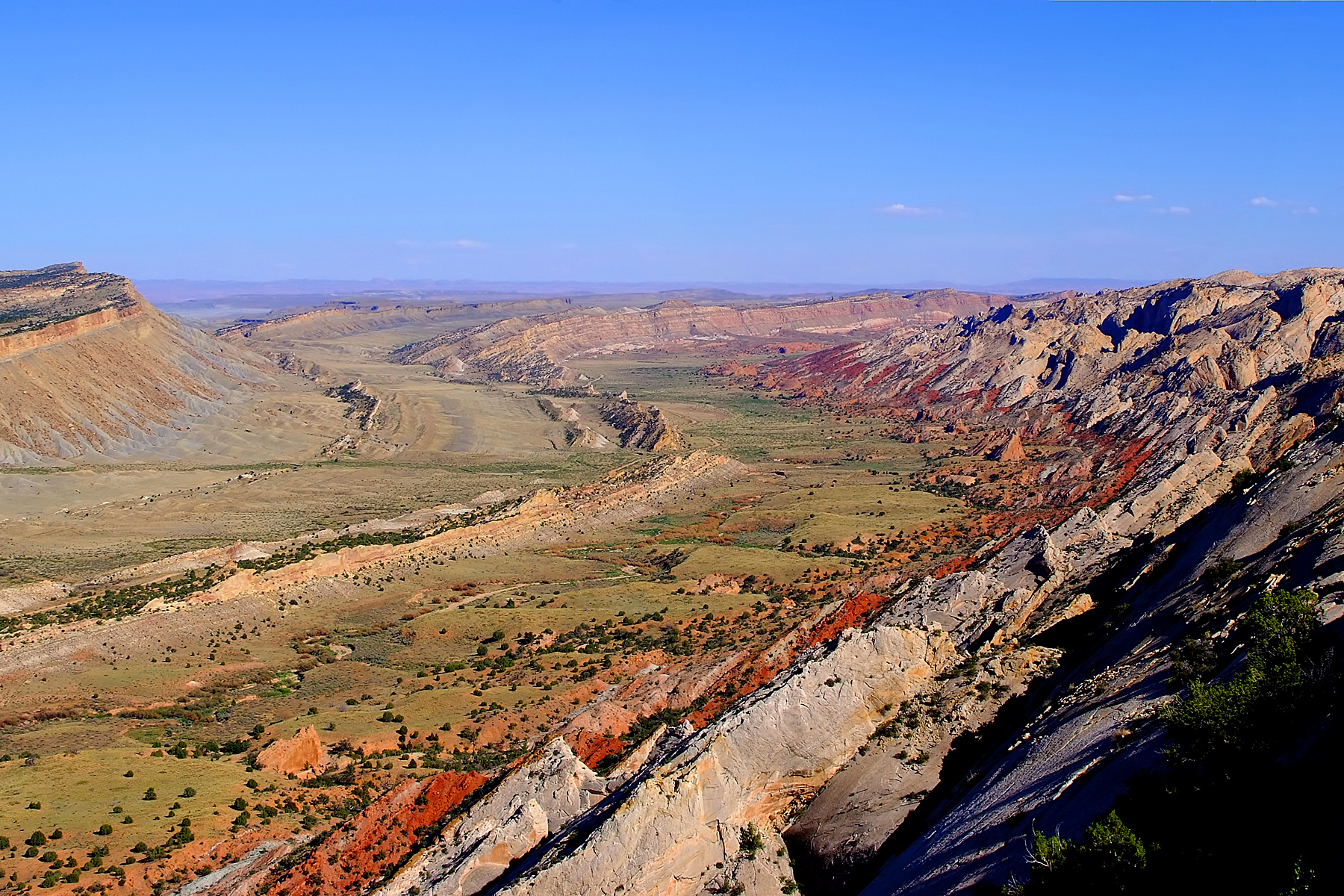
The Waterpocket Fold, a 100-mile long wrinkle in the earth's crust known as a monocline, extends from nearby Thousand Lakes Mountain to the Colorado River (now Lake Powell). Capitol Reef National Park was established to protect this grand and colorful geologic feature, as well as the unique natural and cultural history found in the area. more...
| | | | |
|
|
 |
Geology
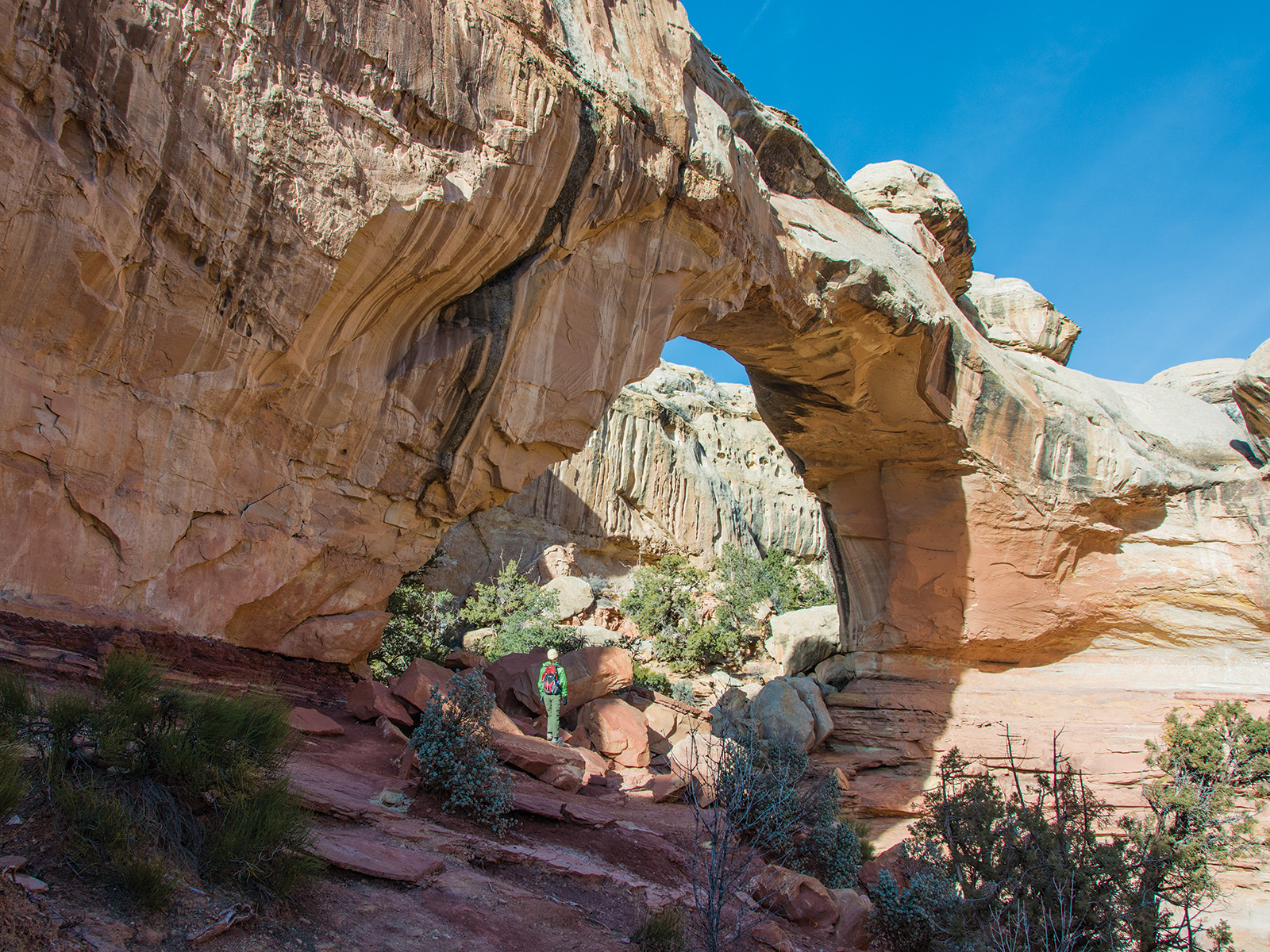
The Waterpocket Fold defines Capitol Reef National Park. A nearly 100-mile long warp in the Earth's crust, the Waterpocket Fold is a classic monocline: a regional fold with one very steep side in an area of otherwise nearly horizontal layers. A monocline is a "step-up" in the rock layers. more...
|
 |
|
|
 |
Cultural History
Called "Wayne Wonderland" in the 1920s by local boosters Ephraim P. Pectol and Joseph S. Hickman, Capitol Reef National Park comprises 378 square miles of colorful canyons, ridges, buttes, and monoliths. more...
|
 |
|
|
 |
Fruita
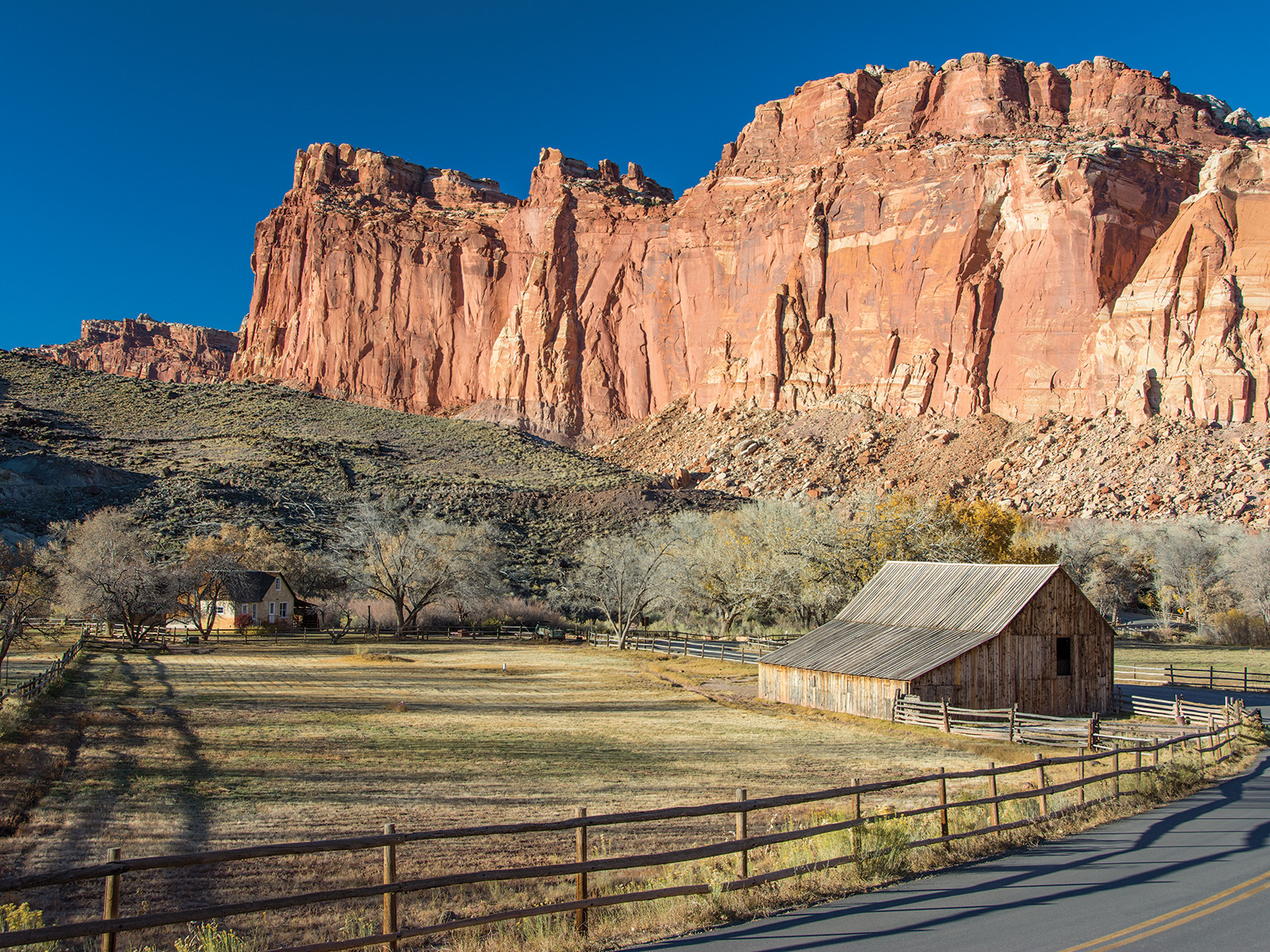
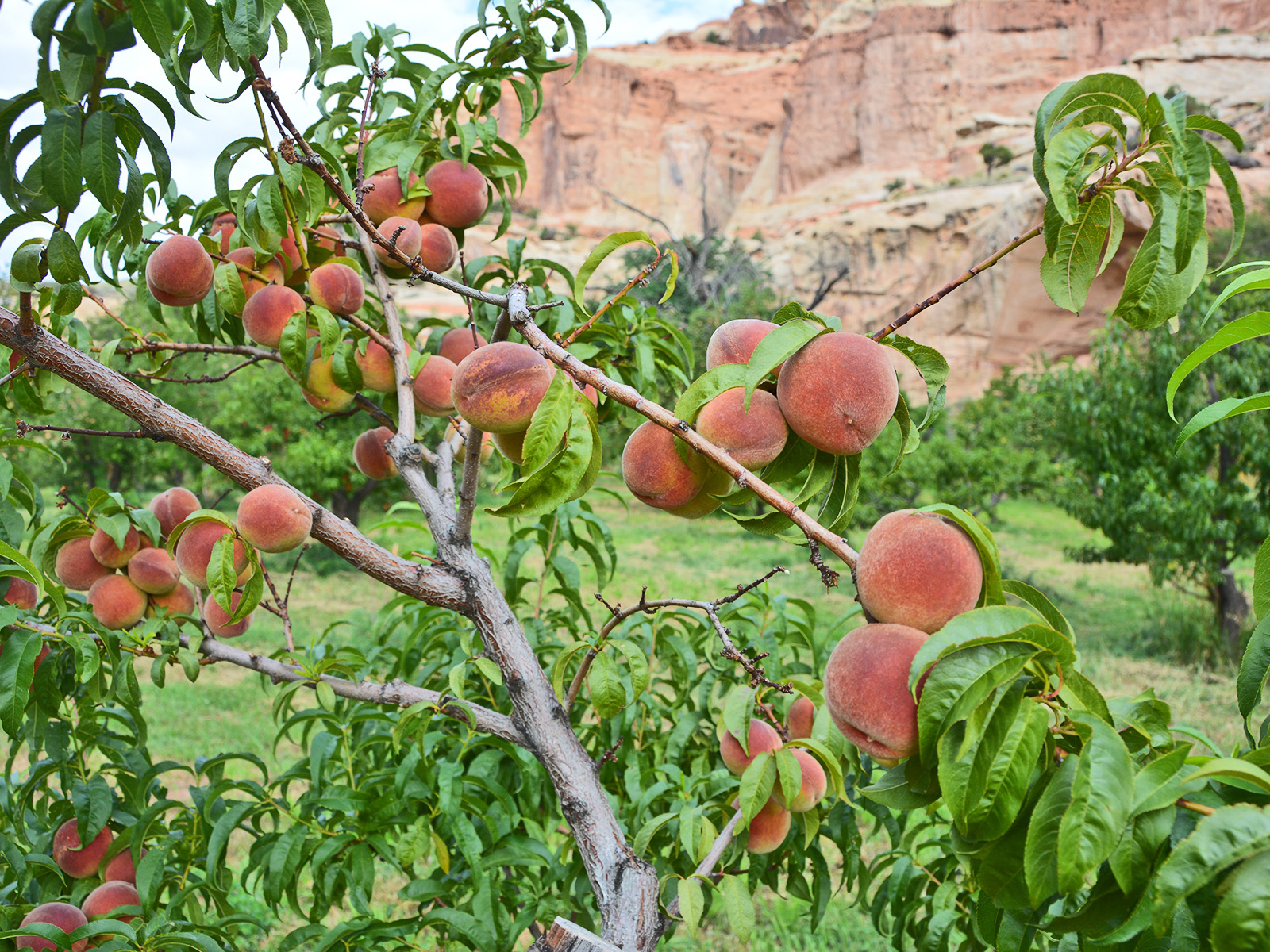
Settlement came late to south-central Utah; the Capitol Reef area wasn't charted by credible explorers until 1872. In the last half of that decade, Latter Day Saints (Mormon) settlers moved into the high plateau lands west of Capitol Reef and established communities based on short-season farming and grazing. more...
|
 |
|
|
 |
Natural Resources
Visitors of Capitol Reef will find a wide range of habitat types that support diverse plant and animal life. more...
|
 |
| | |
|
Write to
Capitol Reef National Park HC 70 Box 15
Torrey, UT 84775
E-mail Us
Phone
Visitor Information (435) 425-3791 ext. 111
Fax
(435) 425-3026
|
 |
Climate
Summer temperatures often climb into the upper 90s(F), but nights cool down into the 50s(F) and 60s(F). The thunderstorm season from July through September brings cloudbursts, flash floods and lightning. Spring and fall are milder with highs generally in the 50s(F) and 60s(F). Daytime winter highs average less than 50(F). Snowfall is usually light, especially at lower elevations. Humidity is low all year. Weather info can be viewed by clicking the more... button below. more...
|
 |
 |
|
|
 |
|
|
|
|
 |
|
Did You Know?
Less than ¼ inch of rain can produce Flash Floods. Flash Floods are caused by run-off from intense, localized thunderstorms that drop a large amount of rain over a short period of time. They are most common in Capitol Reef in July, August and September, but can occur at any time of the year.
|
|
|
|
Last Updated: August 23, 2007 at 10:27 EST |