



|
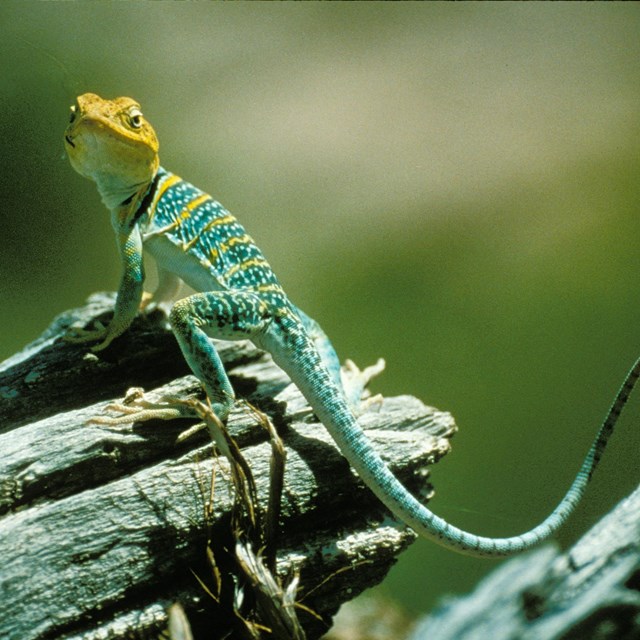
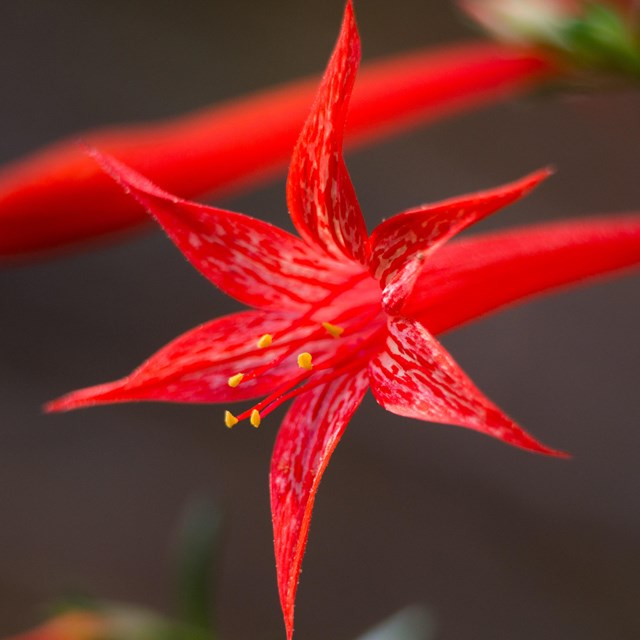
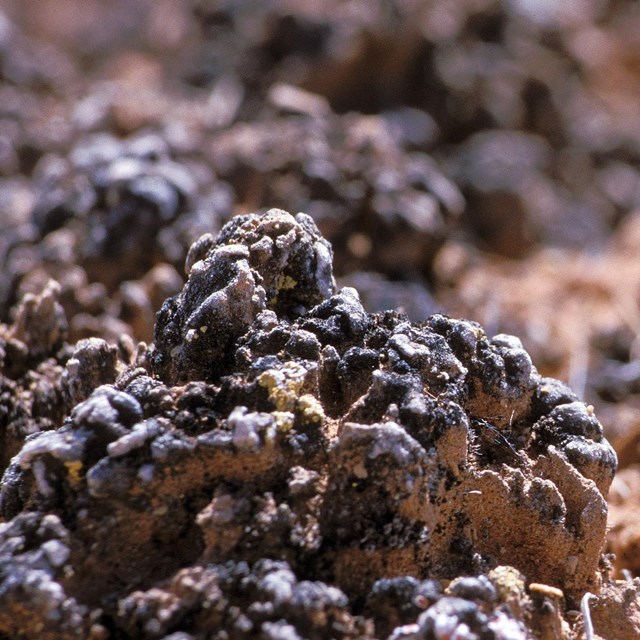
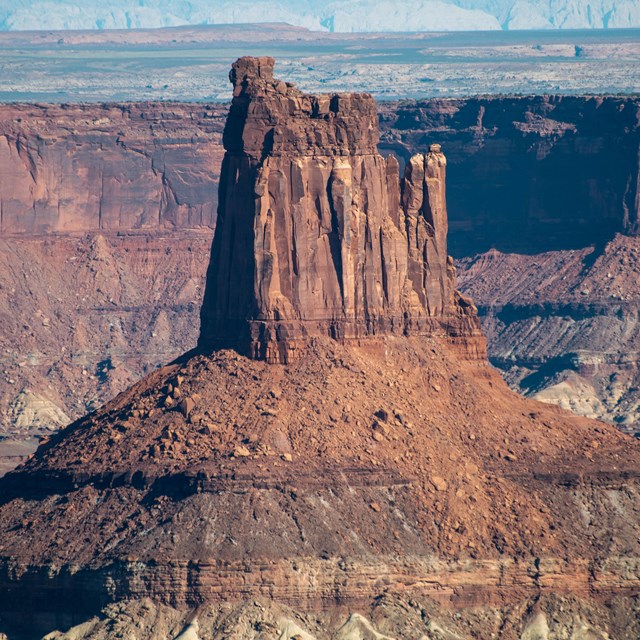
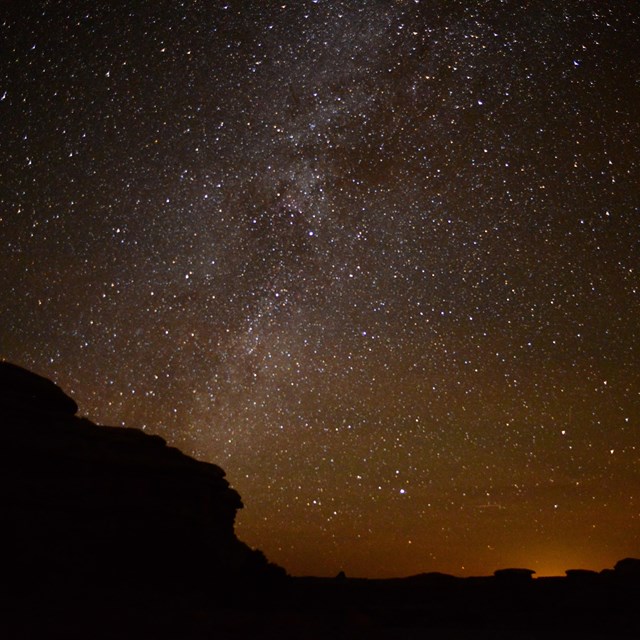
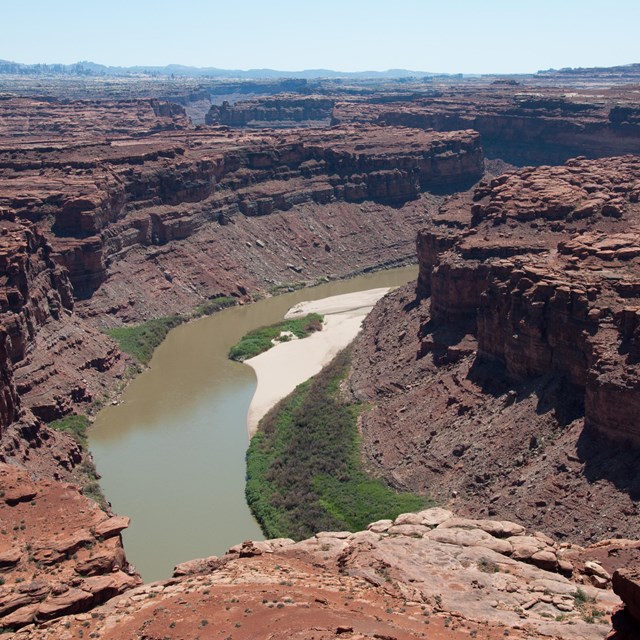
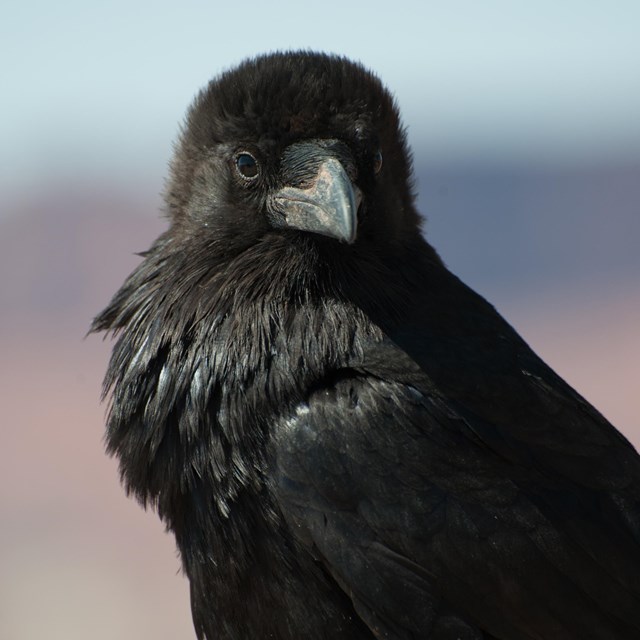
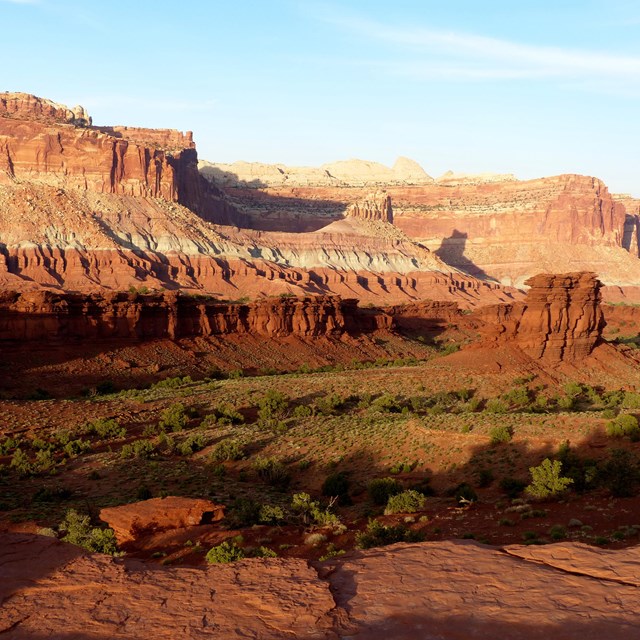
Canyonlands National Park sits in the high desert of the Colorado Plateau. Here we see geological processes at work creating the canyons, river corridors, and rock formations. The desert environment determines the type of life forms that live here. Use the links below to explore the nature of Canyonlands.
Nature at Canyonlands

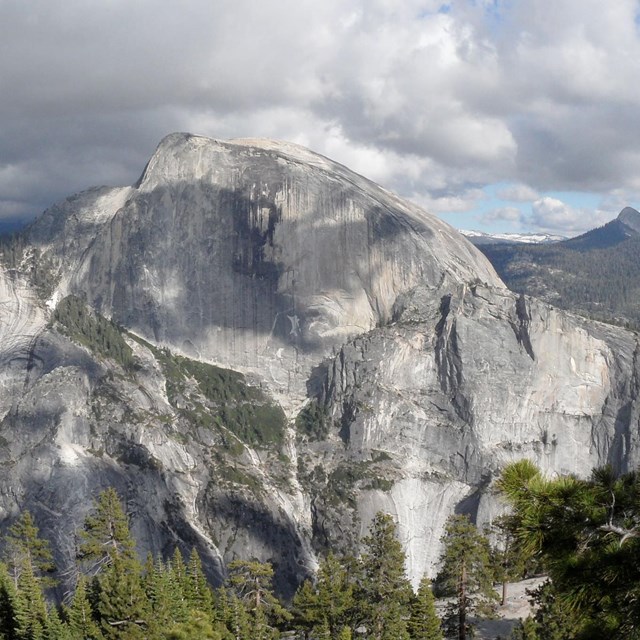
NPS Explore BiodiversityHave you ever taken a picture of a flower, or butterfly, or an unusual mushroom? You can also keep track of the biodiversity you see when you are in a national park, or where ever you go, with iNaturalist. Learn more about how you can help document the various life forms in our national parks. Explore Biodiversity. more from the national park systemYou can learn more about these topics from other national parks around the country. |
 |
|

Last updated: April 18, 2025