National Park Service LogoU.S. Department of the InteriorNational Park ServiceNational Park Service
National Park Service:  U.S. Department of the InteriorNational Park Service Arrowhead
Canyon de Chelly National MonumentStanding Cow Ruin
view map
text size:largestlargernormal
printer friendly

Canyon de Chelly National Monument

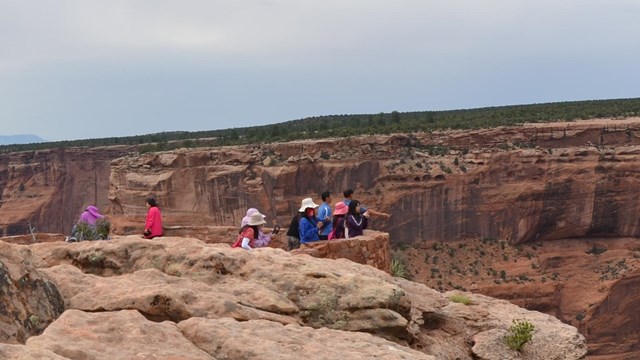
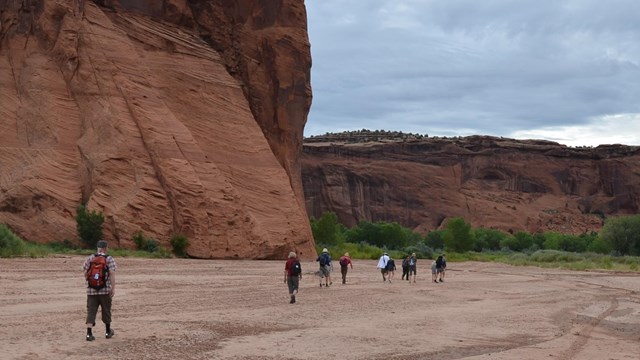
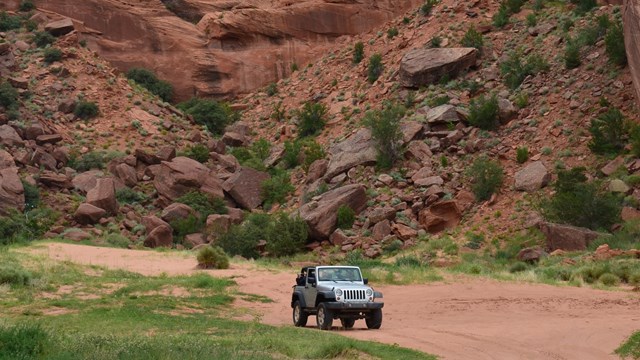
Reflecting one of the longest continuously inhabited landscapes of North America, the cultural resources of Canyon de Chelly include distinctive architecture, artifacts, and rock imagery while exhibiting remarkable preservation integrity that provides outstanding opportunities for study and contemplation. Canyon de Chelly also sustains a living community of Navajo people, who are connected to a landscape of great historical and spiritual significance. Canyon de Chelly is unique among National Park service units, as it is comprised entirely of Navajo Tribal Trust Land that remains home to the canyon community. NPS works in partnership with the Navajo Nation to manage park resources and sustain the living Navajo community.
 
undefined

Park Photo Gallery

White House Ruin on the South Rim Drive.
more...


Write to

PO Box 588
Chinle, AZ 86503

Phone

Headquarters
(928) 674-5500

Fax

(928) 674-5507

Climate

The elevation at the park ranges from 5,500 at the visitor center to over 7,000 feet at the last overlook. Since the weather is unpredictable, monitor local weather forecasts and come prepared for sudden changes.

Generally, Spring is cool and windy with possibilities of dust storms. Highs range from 50 to 70 degrees with lows averaging 35 degrees. Summer is hot and dry with highs ranging from 85 to 100 degrees and lows averaging 50 degrees. Fall is warm and often wet, so expect thunderstorms. Highs range from 60 to 80 degrees with lows averaging 40 degrees. Winter is cold and breezy often bringing 1-4 inches of snow. High temperatures range from 40 to 60 degrees with lows averaging 20 degrees.
Map of United States showing Old Trails Highwary route  

Did You Know?
In 1915 a spur road to what is now Walnut Canyon National Monument was designated part of the National Old Trails Highway, also known as the Ocean-to-Ocean Highway, which stretched for 3,095 miles across the US. Walnut Canyon became a short detour from this major transcontinental route.

Last Updated: August 23, 2007 at 13:21 EST