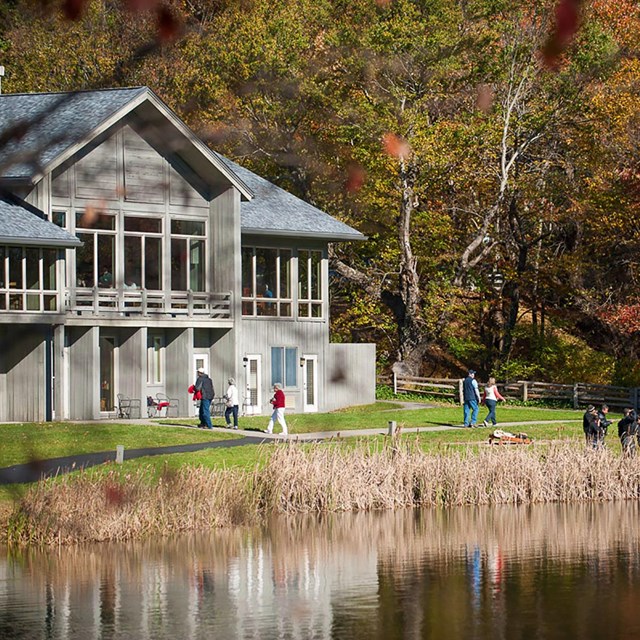
• The long vistas are part of a Blue Ridge Parkway experience

    Blue Ridge

    Parkway NC,VA

Plan Your Visit

Firepink

Firepink (Silene virginica)

NPS photo by Peter Givens

Wildflowers in early summer...

Early summer is a great time for blooms here in the Blue Ridge and remember that your elevation can make a great deal of difference in what you find blooming along the roadside or down your favorite trail. If you think you've missed a favorite bloom in a particular spot, head up the mountain and you may find it still on display. Many areas are in full bloom right now with lots of opportunities to see a wide variety of plants along the road's full length.

In Virginia at the northern end of the Parkway, there are reports of a great variety of plants blooming. Look for yellow goats' beard, common fleabane, mountain laurel, columbine, Bowman's root, foxglove beards tongue, and spiderwort. Between Roanoke and Rocky Knob, nice displays of mountain laurel are in bloom.

In North Carolina near the Linn Cove Viaduct, mountain laurel and Catawba rhododendron are blooming along the roadside. Between the Moses Cone area and the Museum of NC Minerals, Frazier magnolia is nicely on display.

Craggy Gardens, north of Asheville, is starting to pop with the beautiful purple and pink blooms of Catawba rhododendron. The picnic area at Craggy has a good display now. The peak is on schedule to be around the third week of June. Also in this area, look for roadside displays of mountain laurel, flame azalea, columbine, serviceberry, bloodroot, sundrops, firepink, and some remaining bluets.

The high elevations south of Asheville are showing similar displays of flame azalea, rhododendron, mountain laurel, and carpets of bluets.

It is always a good idea to have an extra jacket and a few emergency supplies in the trunk of your car when visiting the mountains. For more information about the Parkway and our spring blooms, visit our website at www.nps.gov/blri.

The Parkway provides wonderful opportunities for:

Hiking - The Parkway offers 100 trails ranging from short "leg-stretcher" walks to the Appalachian Trail.

Wildflowers & Fall Colors - The Parkway provides an excellent location for both wildflower walks in the springtime and brilliant leaf color in the autumn. May is probably the best month for wildflowers. Look for Rhododendron in mid June!

Photography - The combination of historical and natural areas make the park an excellent destination for photographers.

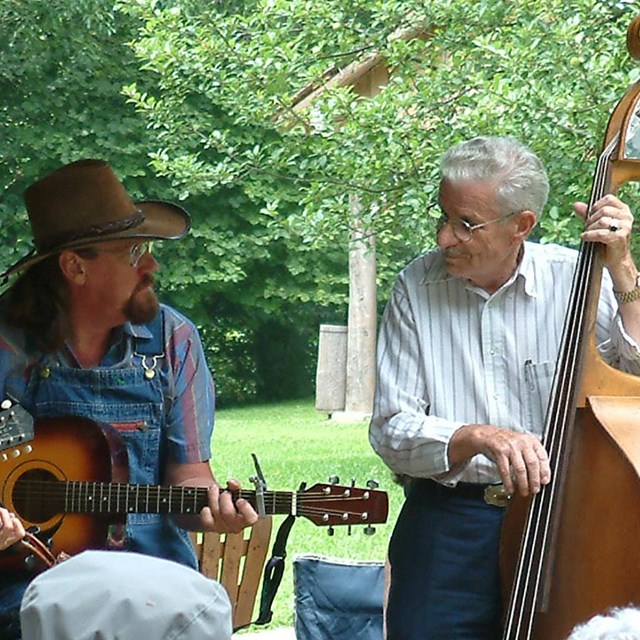
Historical and Cultural Demonstrations - Several developed areas offer hands-on demonstrations of mountain life and culture.

Ranger Guided Walks and Evening Programs - During the summer season, most developed areas offer evening programs, or more traditional campfire programs, along with guided walks and special programs.

Horseback Riding - In the Roanoke area and at the Moses H. Cone Estate, horseback riding trails are available.

Birdwatching - Because the Appalachian Mountains shape the flyway for most eastern migratory birds, the Parkway is an excellent place for both birdwatching and autumn migratory bird counts.

 
NEWMobileAppHomeScreenImage (Small)

Blue Ridge Parkway Mobile App

Download the free Blue Ridge Parkway Travel Planner for your smart phone. Access detailed information for the Parkway's four major regions Ridge, Plateau, Highlands and Pisgah as well as information for connecting regions including the Great Smoky Mountains National Park region (located near the Parkway's southern end) and the Shenandoah National Park region (near the Parkway's northern end).

Explore by region, activity, or by proximity to your location. Download the app to your phone to access content with or without a cell signal during your trip to visit the Blue Ridge Parkway area, or use it to plan your vacation before you leave home.

There is no charge to download the "Blue Ridge Parkway - Travel Planner" and it's available on both Android™ and iPhone® platforms. Download links are available at The Blue Ridge Parkway Association website.

Did You Know?

Black bears

The Blue Ridge Parkway provides critical habitat for over 50 threatened and endangered plant species.