Skip to SearchSkip to NavigationSkip to BodySkip to Footer
National Park Service LogoU.S. Department of the InteriorNational Park ServiceNational Park Service
National Park Service:  U.S. Department of the InteriorNational Park Service Arrowhead
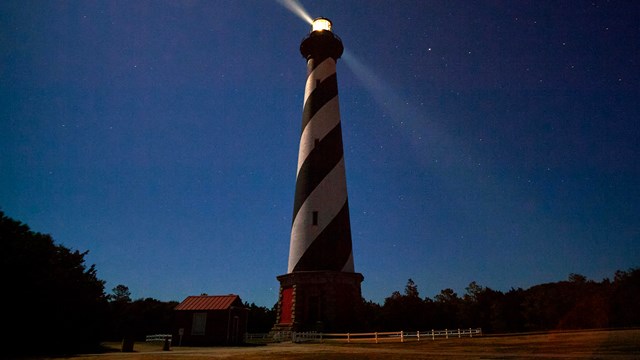
Cape Hatteras National Seashore Cape Hatteras Light with sand
view map
text size: largest larger normal
printer friendly

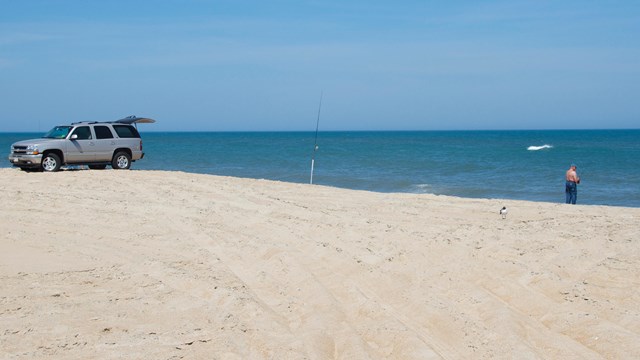
New Off Road Vehicle Regulations

New off road vehicle regulations go into effect on February 15, 2012 . . .
more...

On these narrow barrier islands, things never stay the same.

A haven for recreation and reflection, these islands are constantly changing by tide, storm, current, and wind. The plants, wildlife and people who live here adapt continually. You see it in the daily lives and hear it in the telling of their stories. And there are many story places - sandy beaches, salt marshes, maritime woods - come explore them all!

 
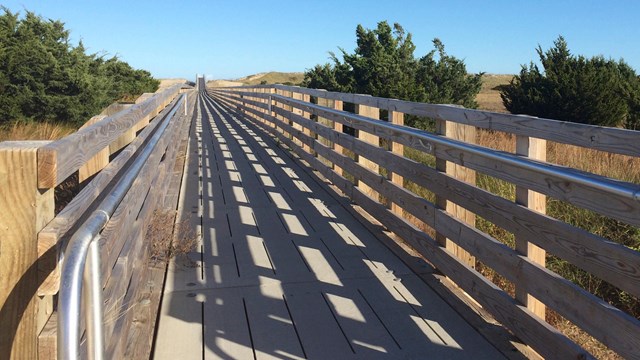
Cape Hatteras National Seashore lies on a thin ribbon of sand called the Outer Banks.

"A Ribbon of Sand"

The narrow barrier islands of Cape Hatteras National Seashore are in a constant state of change. Tides, waves and currents provide daily, sometimes subtle changes, while storms can provoke more sudden changes to the islands.
 

A Home

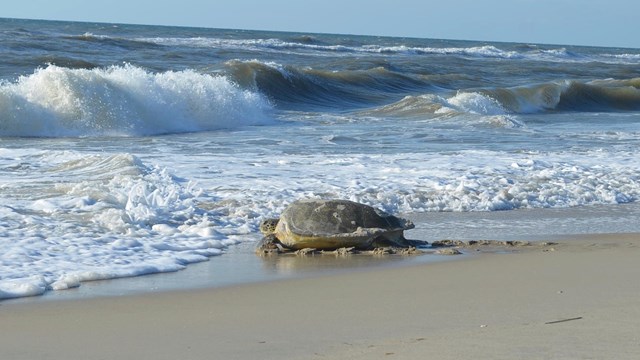
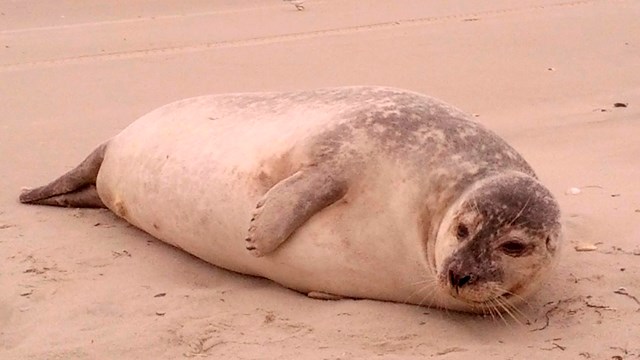
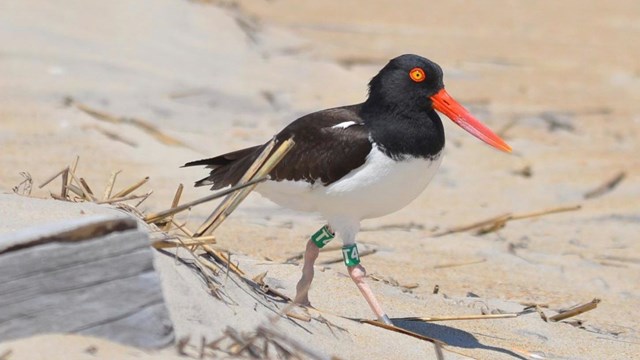
Life abounds on the seashore! From the sea turtles nesting on sandy beaches to the deer seeking shelter in the maritime woods, the seashore provides a home and habitat for creatures large and small, on land and in the water - a rich variety of plant and animal life.
more...
 

Recreation and Reflection

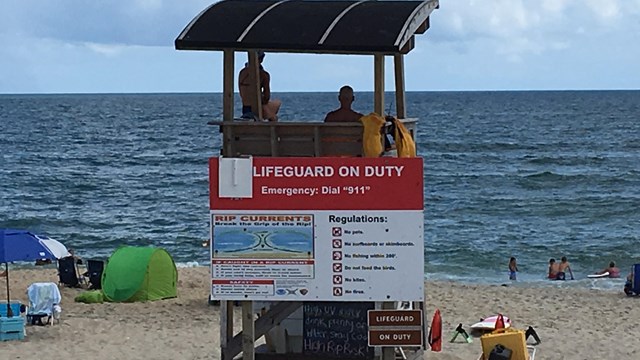
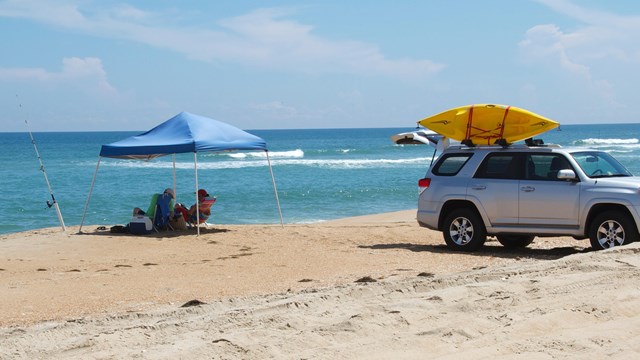
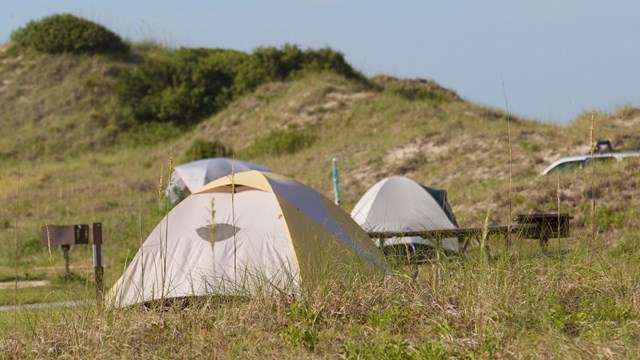
The seashore provides a place for active recreation or for quiet reflection. There are many recreational opportunities at the national seashore. Visit a lighthouse, look for shells, go fishing, or just sit back and enjoy the peace and beauty that can be experienced at the seashore.
more...


Write to

Cape Hatteras National Seashore
1401 National Park Drive
Manteo, North Carolina 27954

Phone

Visitor Information
(252) 473-2111

Fax

(252) 473-2595

Climate

Wind is an everyday occurrence on the Outer Banks and can range from gentle southwest breezes to strong northeast storm winds. Local weather changes rapidly and can be very unpredictable. Summer days are usually warm and humid and are often broken by fast-moving but severe thunderstorms. Winter temperatures are usually cool, though the wind can make them bitterly cold. Spring and Fall days can vary a great deal between these two extremes. Mosquitoes can be a significant problem throughout the warm-weather months. Clothing should be seasonal, but have extra gear available for wind and rain.
Skip to SearchSkip to NavigationSkip to BodySkip to Footer
A navigational chart showing Cape Hatteras and Diamond Shoals

Did You Know?
When the Home sank on Diamond Shoals off of Cape Hatteras in 1837, there were only two life jackets for all 130 people on board. Ninety people died. Congress passed the Steamboat Act the next year, requiring all vessels to carry one life jacket per passenger.

Last Updated: February 01, 2012 at 11:10 MST

CANCEL

You are exiting the National Park Service website

Thank you for visiting our site.

You will now be redirected to:

We hope your visit was informative and enjoyable.