



Last updated: December 12, 2025
Lesson Plan
Stories From the Clinch River Valley
Lesson One: Change
Download Lesson Plan
169KB
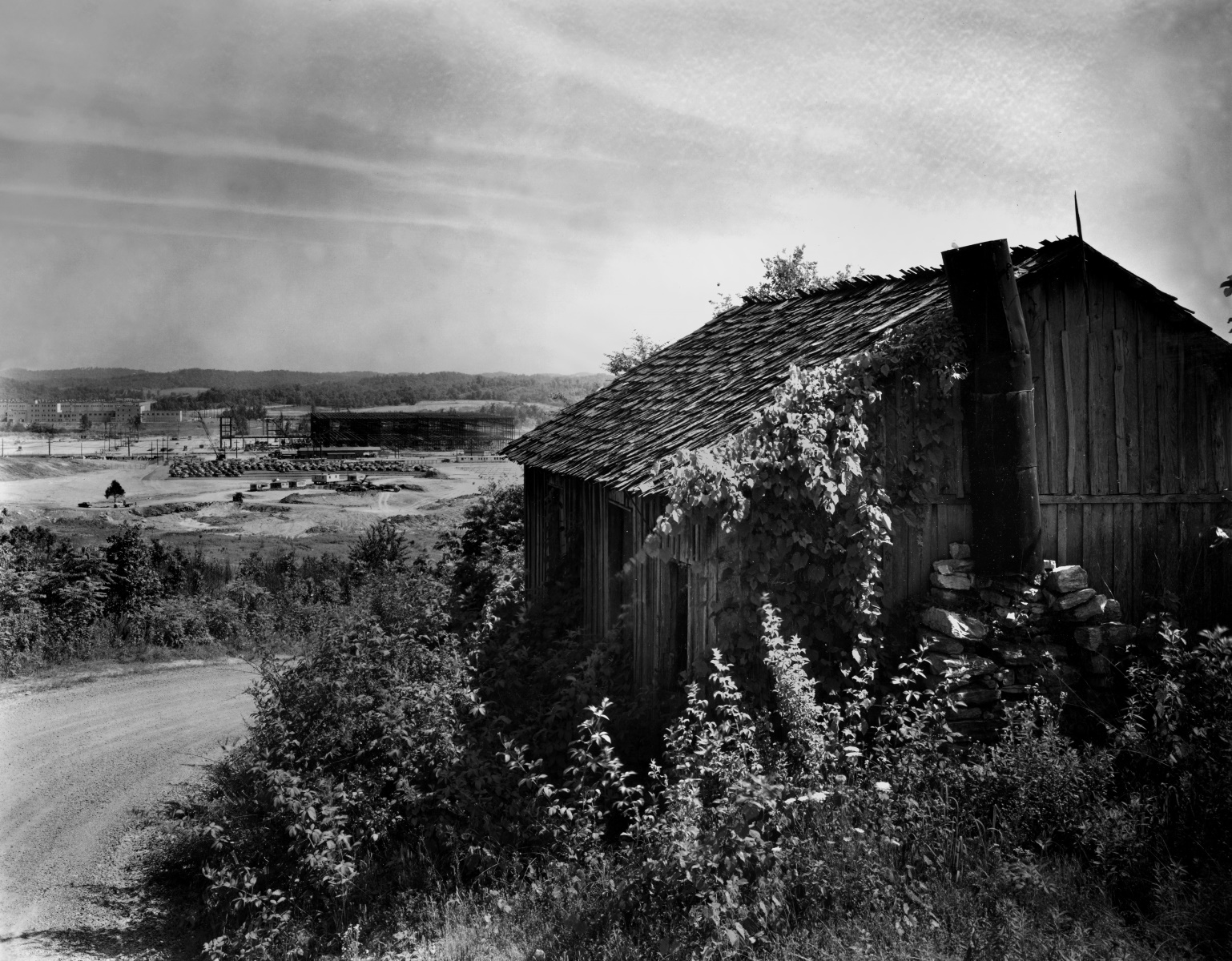
Change came to the Clinch River Valley during the building of Norris Dam, the Manhattan Project, and the integration of Clinton.
US Department of Energy/Ed Westcott
- Grade Level:
- Upper Elementary: Third Grade through Fifth Grade
- Subject:
- Literacy and Language Arts,Social Studies
- Lesson Duration:
- 60 Minutes
- Common Core Standards:
- 3.L.4, 4.L.4, 4.L.4.c, 5.L.4, 5.L.4.c, 3.RI.2, 4.SL.1.c, 4.SL.1.d, 5.SL.1.c
- State Standards:
- Tennessee State Social Studies Standards
• 5.24
• 5.48
• 5.49
• 5.50 - Additional Standards:
- National Social Studies Standards
• Thematic Strand 2, 3, 5, 8
National Geography Standards
• Essential Element 1
Essential Question
What is change?
Do communities change or stay the same?
How does change make a community more unique?
Objective
Students will:
• Describe how changes with a community can affect daily life.
• Locate the Clinch River Valley on a map and describe some of the changes that took place there over its history.
• Compare and contrast the changes that have taken place in their own community with those that took place in the Clinch River Valley.
Preparation
Prior to teaching this lesson, gather library books on communities of the Appalachian Mountains, famous dam construction projects, the Manhattan Project, and the civil rights movement.
Materials
Download E-Book: Stories From the Clinch River, Book 1 Change
Procedure
1. Display and locate the Clinch River Valley on a map, globe, or digital resource. Highlight geographic concepts including the concept of a river valley.
2. Read aloud the Stories of the Clinch River Valley e-book, Change.
3. During and following the reading, engage children in sharing their reactions and learning through questions such as:
• Why do people live in river valleys?
• What examples of change were shown in the book?
• What changes have you been through?
• Why do you think changes in our life often cause people to be uncomfortable?
• What other changes in our country’s history do you know?
4. Create a concept map on change. Explain that change may be defined in many ways but that our class will create a shared definition of change. • What examples of change were shown in the book?
• What changes have you been through?
• Why do you think changes in our life often cause people to be uncomfortable?
• What other changes in our country’s history do you know?
5. Create a shared class definition of change. Have students work in small groups to write one or two sentences or simple words describing change. Afterwards, write each group’s definition or list of words on the board. As a class, create an agreed-upon definition of change using the words or sentences chosen by the students.
6. Explain that the class will illustrate and write about the changes they have experience and or seen in their own community. They will be creating a storyboard with photos/pictures and descriptions of each. These can highlight your community’s history, major events that have taken place and any major infrastructure projects.
7. Using the story board template provided, have the students draw individual pictures for each activity, or take digital photos showing the changes that have taken place in their community.
8. By putting all the pictures/photos in order on the template the students will create a "How our Community has Changed Over Time" story with your class.
9. This project can also be created using a digital storytelling tool available on the internet, many of which are low or no cost.
Vocabulary
- Clinch River Valley – A valley following the Clinch River for more than 300 miles through parts of Virginia and Tennessee.
- Change: make (someone or something) different; alter or modify.
- Tennessee Valley Authority- an electric cooperation owned by the government. TVA's service area covers all of Tennessee, portions of Alabama, Mississippi, and Kentucky, and small areas of Georgia, North Carolina, and Virginia.
- Community – a group of people who share common interests, beliefs, and/or cultural background.
- Homestead - a house, especially a farmhouse, and outbuildings
- Segregation- the enforced separation of different racial groups in a country or community.
- Brown vs the Board of Education- a landmark decision of the U.S. Supreme Court ruling that U.S. state laws establishing racial segregation in public schools are unconstitutional.
- Civil Rights Movement- a social movement and campaign from 1954 to 1968 in the United States to abolish legalized racial segregation, and discrimination in the country.
Related Lessons or Education Materials
Stories From the Clinch River Valley - Lesson Two: Displacement
Stories From the Clinch River Valley - Lesson Three: Community
Stories From the Clinch River Valley - Teacher's Guide
Contact Information
Email us about this lesson plan
Tags: clinch river valley