



The Far North region of Alaska is an eco-rich landscape, with a variety of lowlying tundra greenery and wildflowers, and an abundance of migratory birds, animals, and sea life. The Arctic landscape and peoples of northern Alaska play an important role in the nation's history.
Arctic America NHLs
-
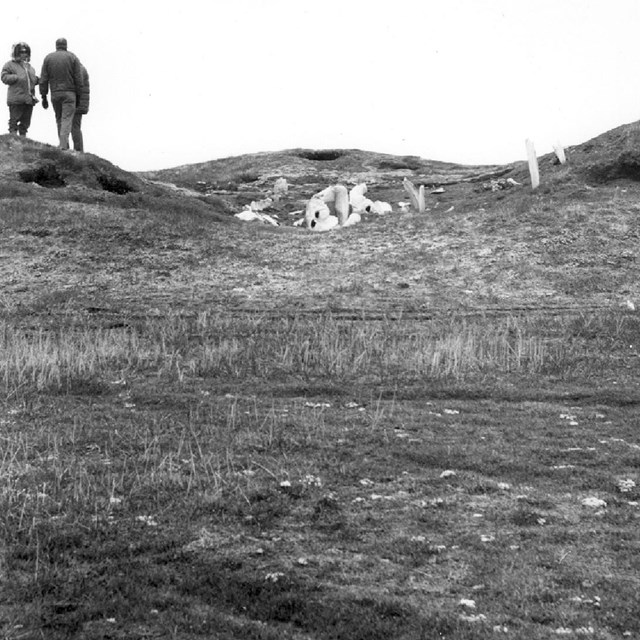 Birnirk (Piġniq) Site NHL
Birnirk Life on the Arctic Coast 1,500 years ago
-
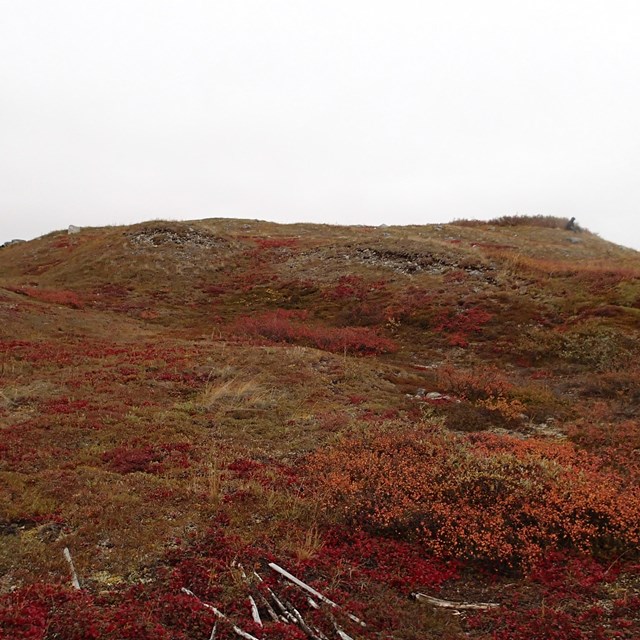 Gallagher Flint Station NHL
Discovered on a 1970 survey of the Trans-Alaska Pipeline route across Arctic Alaska
-
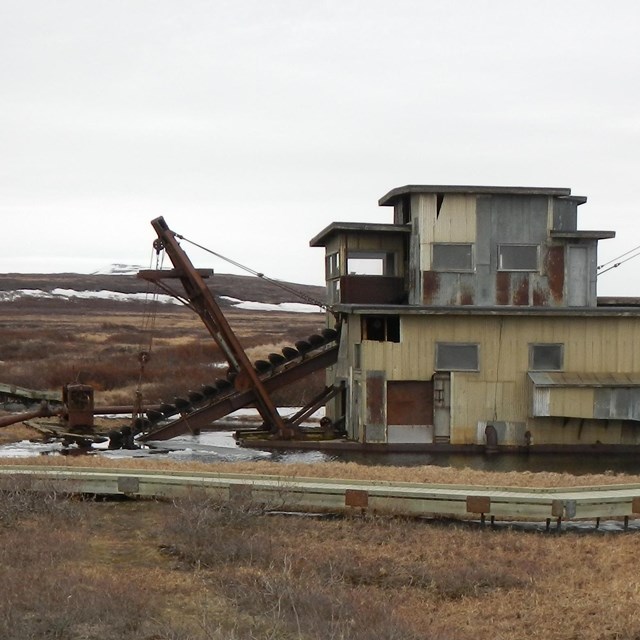 Cape Nome & Anvil Creek NHL
Cape Nome and Anvil Creek National Historic Landmark
-
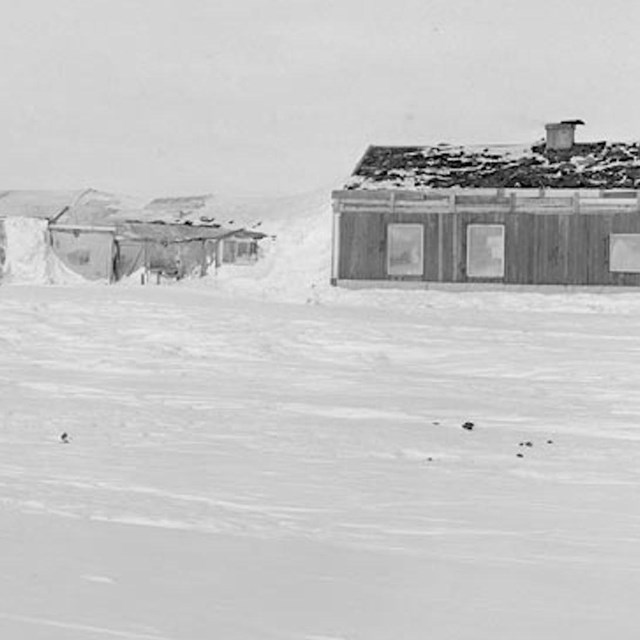 Leffingwell Camp Site NHL
From 1907 to 1914, Ernest de Koven Leffingwell's base camp on the arctic coast of Alaska
-
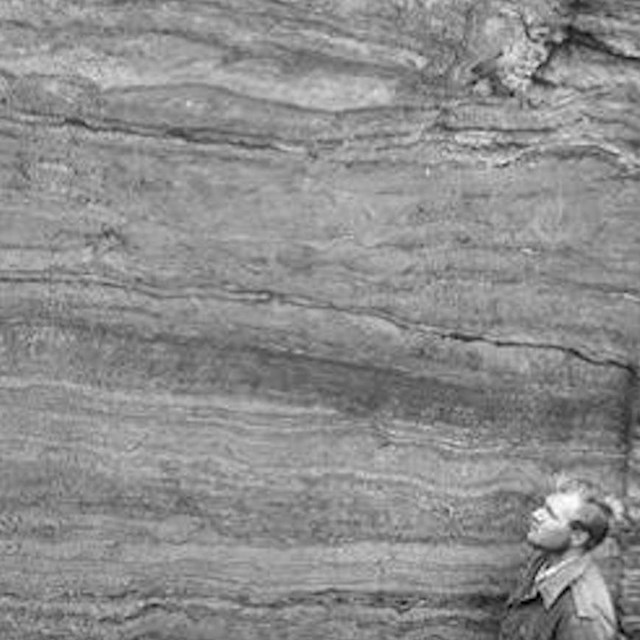 Onion Portage NHL
For 8,000 years, people camped, made tools, prepared game, and built settlements at Onion Portage.
-
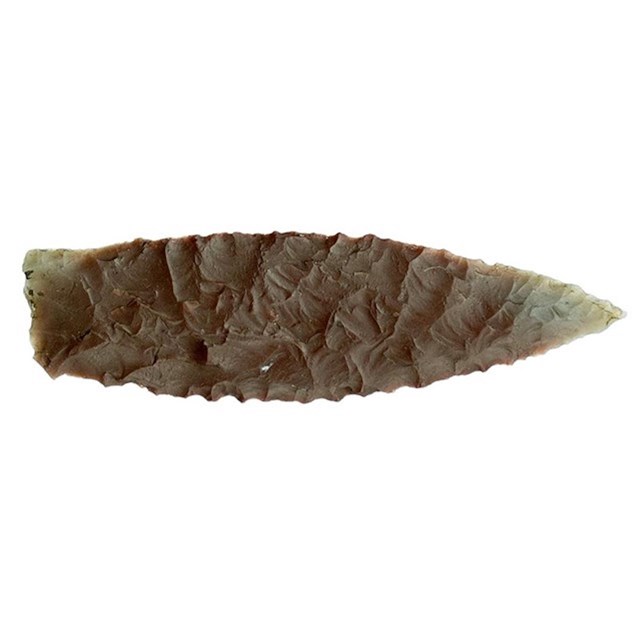 Iyatayet National Historic Landmark
The Iyatayet Site NHL was settled over 5,500 years ago
-
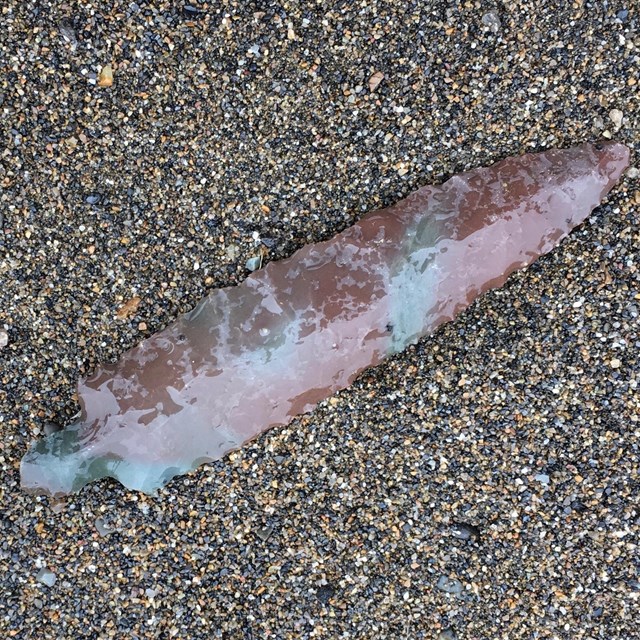 Cape Krusenstern Archeological NHL
The landmark recognizes significant archeological evidence of travel, trade, communication, hunting, and between the coast and uplands
-
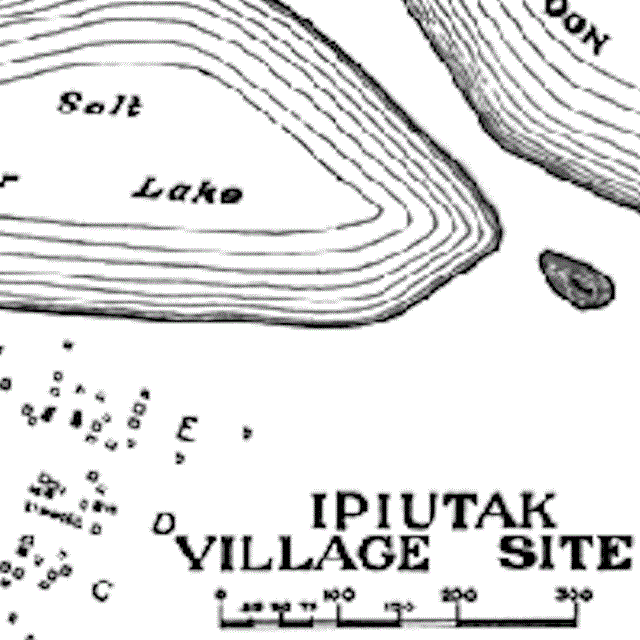 Ipiutak National Historic Landmark
The Ipiutak Site National Historic Landmark is one of the largest precontact village sites in Arctic Alaska
Last updated: February 23, 2018