



You are viewing ARCHIVED contentThis content was published online before January 20, 2025. Please note that this content is NOT UPDATED, and links may not work. For current information, visit https://www.nps.gov/aboutus/news/index.htm. 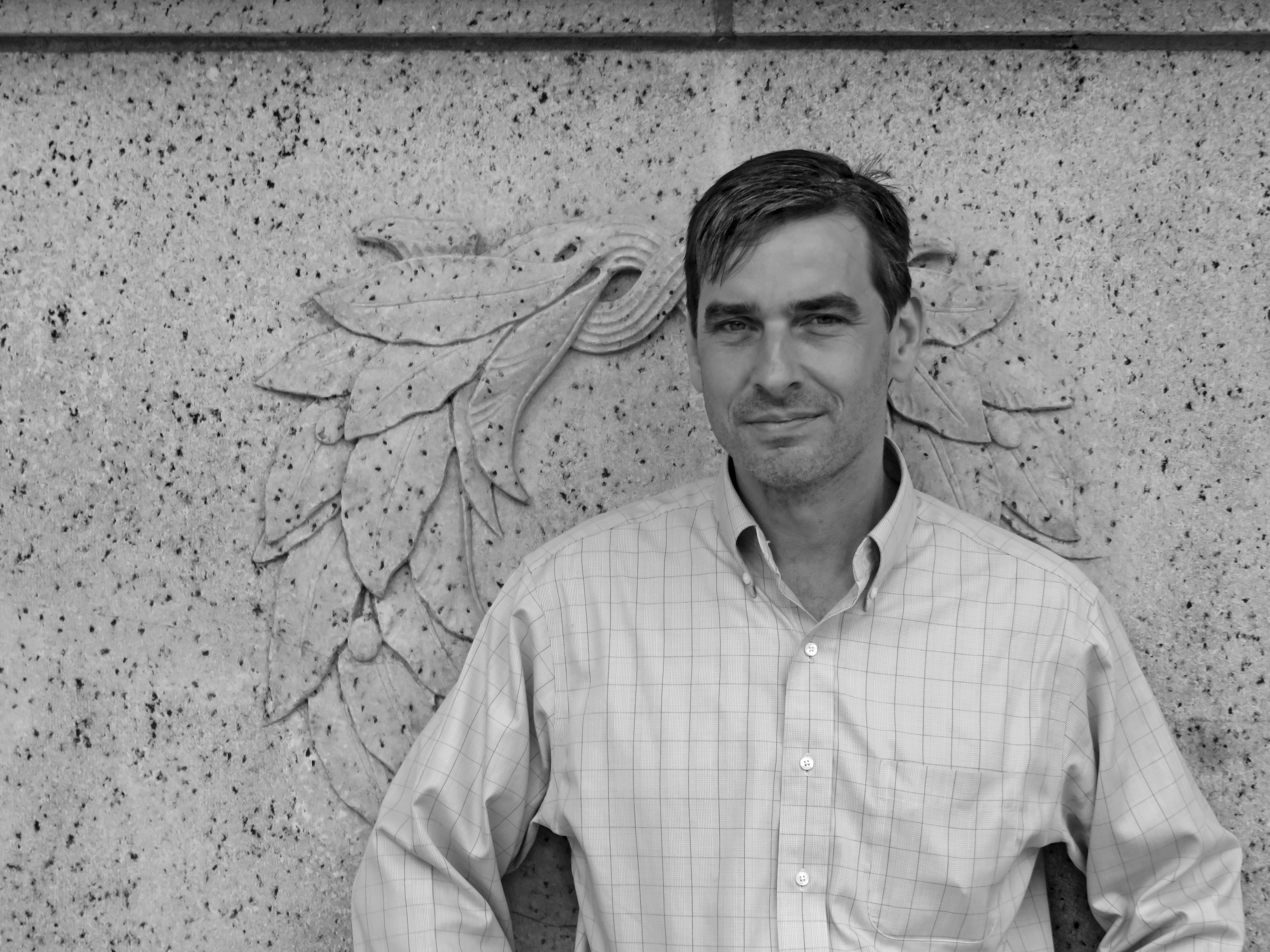
©J.H. Wahlert
News Release Date: June 24, 2016 2016 is the 100th anniversary of the National Park Service, and no U.S. president is more popularly associated with nature and wildlife than Theodore Roosevelt – prodigious hunter, tireless adventurer, and ardent conservationist. Roosevelt was popularly called our “naturalist president” and his lifelong passion for the natural world set the stage for America’s wildlife conservation movement. Lunde – a museum specialist in the Division of Mammals at the Smithsonian’s National Museum of Natural History – explores Roosevelt’s role in this proud tradition of museum naturalism in his new book.
Drawing upon Roosevelt’s diaries and expedition journals, along with his own experience as a leading figure in museum naturalism today, Lunde constructs a thoughtfully researched history that tracks Roosevelt’s maturation from an exuberant boyhood hunter, who embraced outdoor activity as a strategy for overcoming his physical limitations, to a champion of serious scientific inquiry, who was engaged in dialogue with many of his era’s most renowned naturalists. Roosevelt’s interaction with the natural world ultimately comes to affect generations of Americans’ relationships with their country’s wilderness, as well as influences institutions such as national parks, the Smithsonian’s National Museum of Natural History, and the American Museum of Natural History.
The Oyster Bay Historical Society is located at the Earle-Wightman House and Angela Koenig Center, 20 Summit Street in Oyster Bay. The presentation will begin 7:00 PM. http://www.oysterbayhistorical.org/
|
Last updated: July 21, 2017