



Last updated: June 2, 2026
Place
Nauvoo National Historic Landmark
NPS Photo/Bryan Petrtyl
Quick Facts
Location:
Nauvoo, Illinois; Historic Nauvoo Visitors’ Center, 290 Main St., Nauvoo, Illinois.
Significance:
Nauvoo, Illinois, headquarters of The Church of Jesus Christ of Latter-day Saints in the early 1840s, is the eastern terminus of the Mormon Pioneer National Historic Trail. Here occurred the events that compelled the exodus of Latter-day Saints to the West in 1846-1847.
Designation:
National Historic Landmark, National Register of Historic Places; Historic site on the Mormon Pioneer NHT.
Amenities
11 listed
Accessible Sites, Amphitheater, Benches/Seating, Boat Ramp, Cellular Signal, Historical/Interpretive Information/Exhibits, Parking - Auto, Restroom, Scenic View/Photo Spot, Toilet - Flush, Wheelchair Accessible
After being violently expelled from the state of Missouri in 1839, The Church of Jesus Christ of Latter-day Saints purchased the small town of Commerce, IL, on the east bank of the Mississippi River. Under the leadership of founder, first prophet, and president Joseph Smith, the Latter-day Saints built up the settlement and renamed it Nauvoo (Hebrew, “beautiful”). Converts gathered there, soon making Nauvoo the most populous city in Illinois.
The community’s economic exclusiveness, political influence, and 2,000-man militia alarmed other residents of Hancock County. On June 7, 1844, an opposition newspaper, the Nauvoo Expositor, publicly accused church founder Joseph Smith of secretly marrying multiple women, which Smith denied. By order of the Nauvoo City Council, the town marshal destroyed the paper’s press. When the State of Illinois issued a warrant for the arrest of Smith and others for destruction of the press, Smith declared martial law and called on his militia to defend Nauvoo. However, Smith, his brother, Hyrum, and several others peacefully surrendered to authorities a short time later.
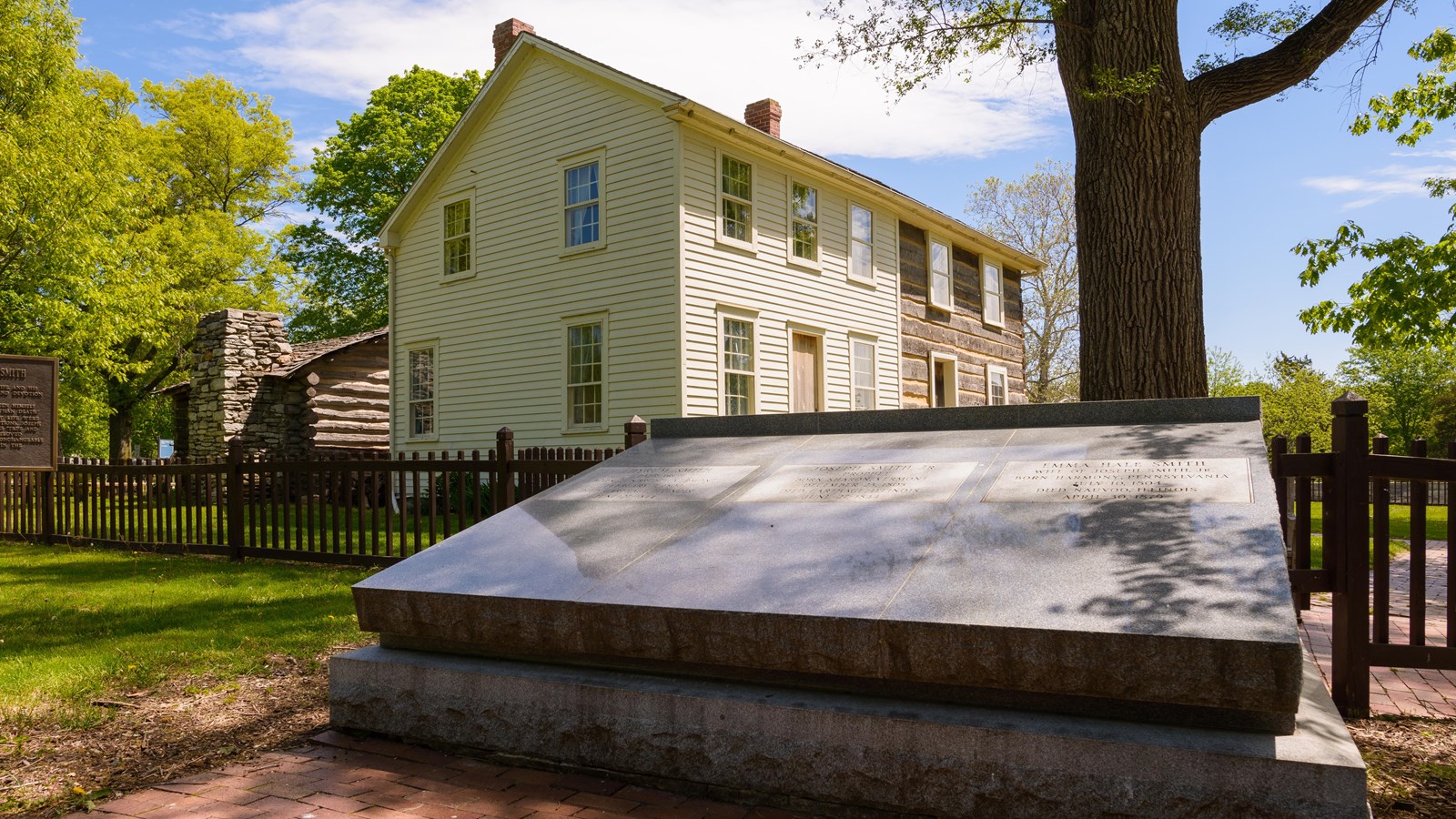
Joseph and Hyrum Smith died at the hands of a mob while awaiting their court appearance at the county jail in nearby Carthage, IL. Both men, as well as other members of the Smith family, are interred at Nauvoo. Brigham Young was called to leadership of the church and, facing pressure from state officials and rumors of further violence against church members, began organizing a vanguard company of select members to lead the evacuation of Nauvoo. Wagons began crossing the Mississippi River in February 1846. Hosea Stout wrote on Feb. 9, 1846, of ferrying across the Mississippi River from Nauvoo Landing to Montrose on a windy, unsettled day with rough water on the river.
Stout watched 2 boats sink, and his own nearly sank with his family aboard. Other wagon parties departed Nauvoo later that spring, with the third and final exodus occurring in October. The route followed by Young’s vanguard party to the Valley of the Great Salt Lake is commemorated today as the Mormon Pioneer National Historic Trail.
Visitors can learn about Nauvoo’s past at the missionary-operated Historic Nauvoo Visitors’ Center (290 N. Main St.) on the north side of the historic district, and then enjoy a stroll or wagon ride among some 40 historic buildings and other attractions. Many of the buildings are open to visitors, guided and self-guided tours are available, and pageants and performances are held each summer.
Site Information
Location (Nauvoo, Illinois; Historic Nauvoo Visitors’ Center, 290 Main St., Nauvoo.)
Available Facilities
This site contains 1,100 acres of authentically restored homes and shops, including Brigham Young's home. The historic district in the town of Nauvoo contains streets, 18 restored houses, shops, and a visitor center.
Several different entities manage the restored homes and provide a variety of things to do within the Nauvoo Historic District.
Safety Considerations
Community of Christ Church: In Nauvoo, manages several original structures including Joseph Smith's home and his gravesite.