



Lesson PlanEssential Questions
Enduring Understandings
Objectives
Instructional Time
*Individual activities can be completed in one sitting or across multiple days, at instructor’s pace Recommended MaterialsActivity #2 - Image Analysis
Activity #3 - Picture Exploration
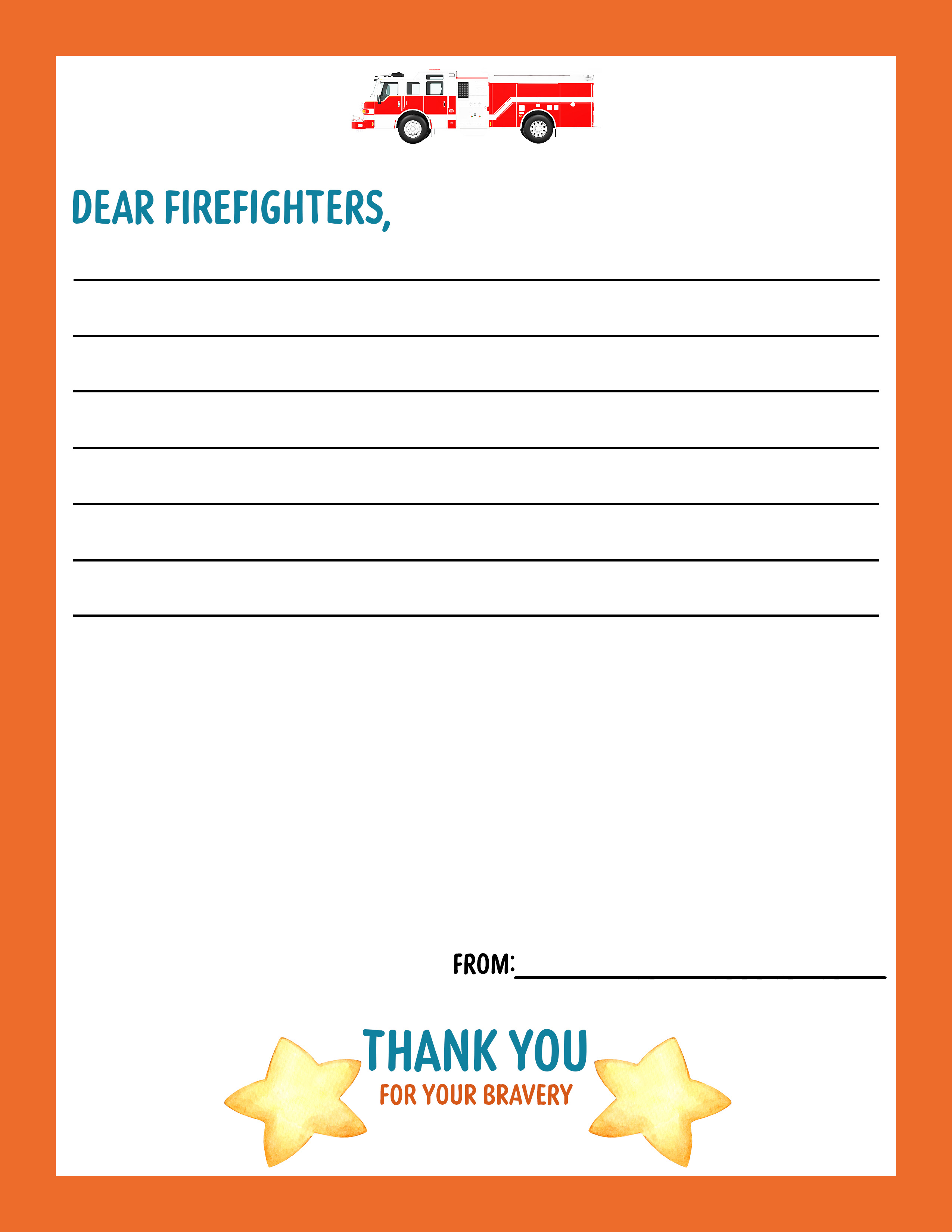
Activity #4 - Write a Letter to a Firefighter
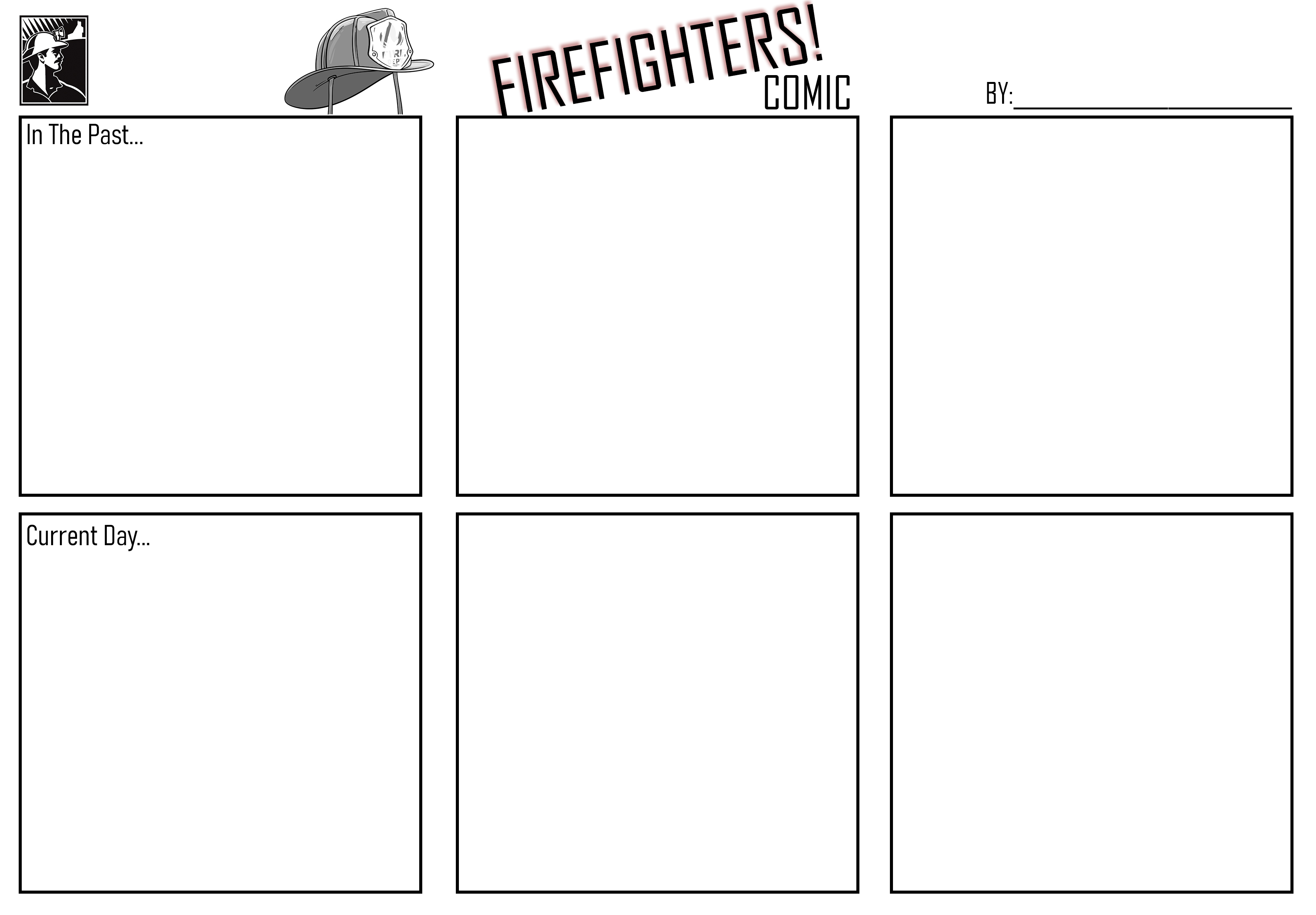
Activity #5 - Make a Firefighter Comic
Alternate Activities - Mock Bucket Brigade
Learning Standards*Note: Standards depend on activities chosen to complete.Common Core Standards for English & Language ArtsSL.4.1 - Engage effectively in a range of collaborative discussions (one-on-one, in groups, and teacher-led) with diverse partners on grade 4 topics and texts, building on others' ideas and expressing their own clearly.SL 4.4 - Describe people, places, things, and events with relevant details, expressing ideas and feelings clearly. W 4.3 - Write narratives to develop real or imagined experiences or events using effective technique, descriptive details, and clear event sequences. W 4.4 - Produce clear and coherent writing in which the development and organization are appropriate to task, purpose, and audience. Michigan K-12 Social Studies Standards4 – E1.0.8 - List goods and services governments provide in a market economy and explain how these goods and services are funded.Michigan Visual, Performing, and Applied Arts StandardsART.VA.II.4.2 - Synthesize knowledge of elements of art and principles of design to creatively communicate ideas.ART.VA.II.4.4 - Analyze and reflect on the uses of subject matter, symbols, and ideas to express and communicate meaning in artwork. AssessmentStudents will fill out an exit slip to demonstrate understanding of historic firefighting equipment and methods such as the bucket brigade.
NPS BackgroundNot familiar with the Copper Country Firefighters History Museum or the Keweenaw Peninsula? Start here: This is the Copper Country Firefighter Museum lesson plan in the Copper TRACES online program for fourth graders and equivalents. In this lesson, students will learn about how firefighters fought fires before modern technology. The main takeaway from this lesson is that firefighters from the early 1900s faced much different challenges than firefighters today and used much different equipment.More than a century ago, firefighters used systems such as the bucket brigade to put out fires which is much different than the high-pressure hoses used today. In the late 19th century, bucket brigades were replaced by horse drawn fire fighting vehicles. Able to carry ladders and manual water pumps, this was a much more efficient approach than bucket brigades. Then, in the early 20th century, gas powered fire trucks were used. These trucks proved to have a much faster response time and larger carrying capacity than the previous horse drawn approach. Gas powered trucks were not only able to carry more equipment, but they were also able to carry a lot more people than before. This improvement was a significant upgrade in firefighting technology. In this lesson, students will learn about historic firefighting equipment and the ways the equipment was used. ActivitiesIntroduction Video (Activity #1 - Introduction Video)Activity Objective: Introduce the learning concepts for this lesson in an engaging video to segway into the virtual and in person activities.
Spot the differences between fire trucks (Activity #2 - Image Analysis)Activity Objective: To compare and contrast past experiences and technology with the present day using historical photographs and resources.
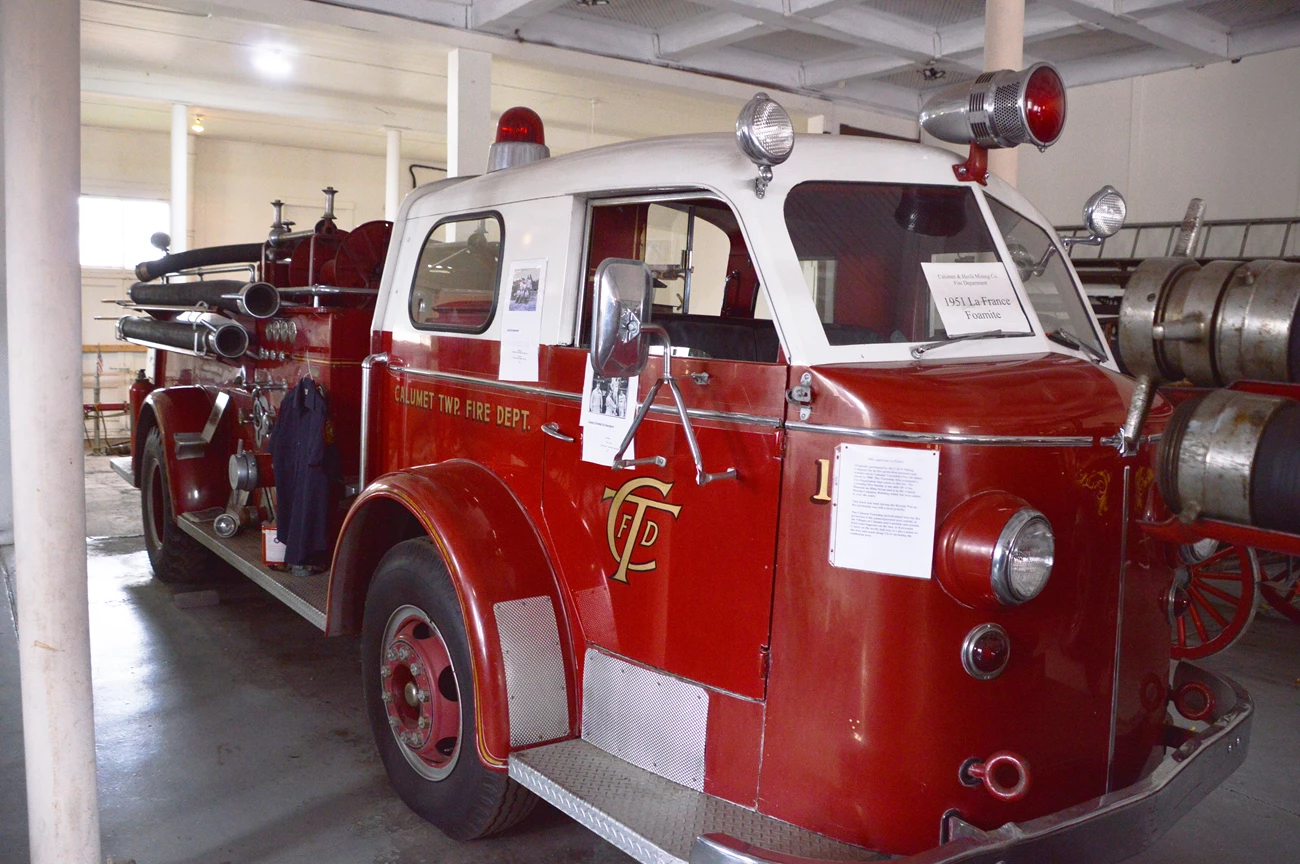
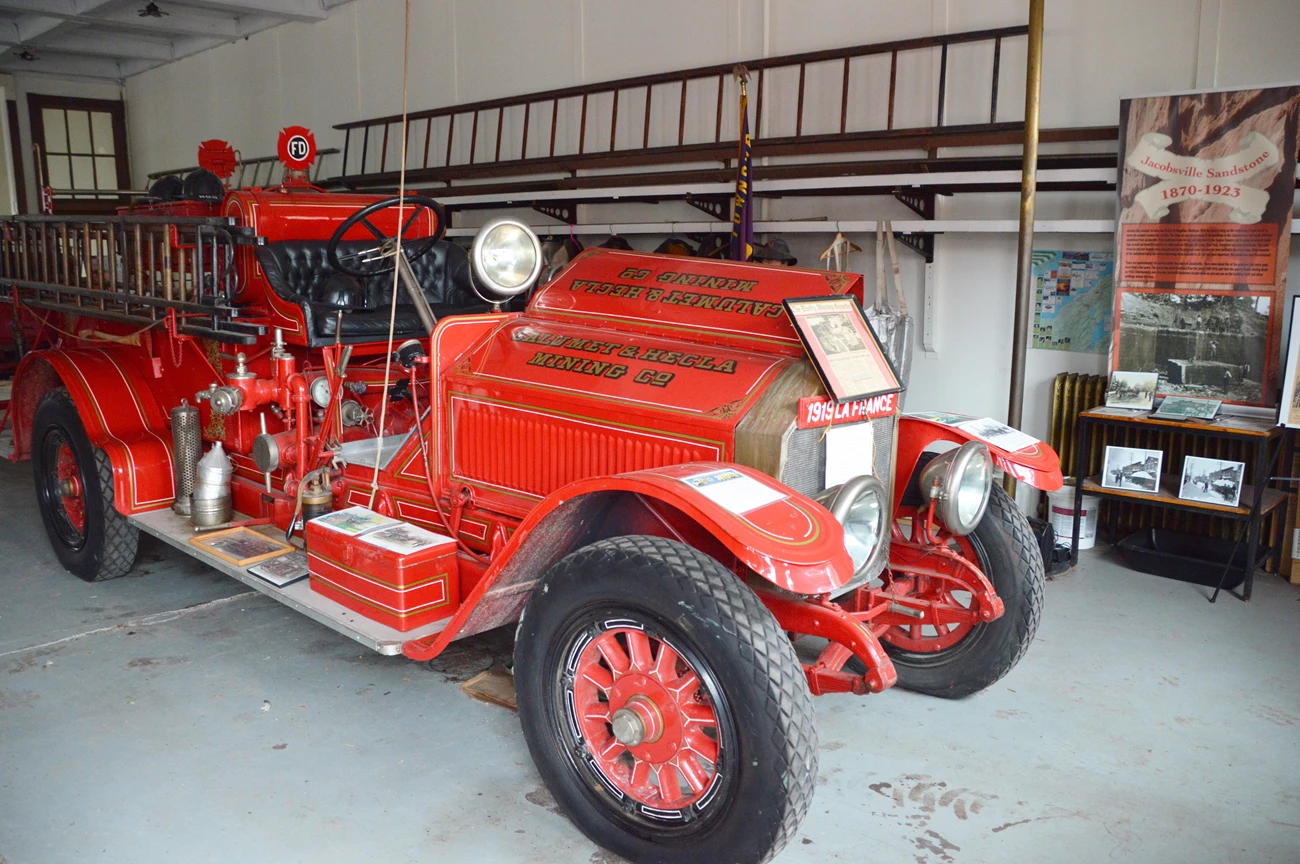
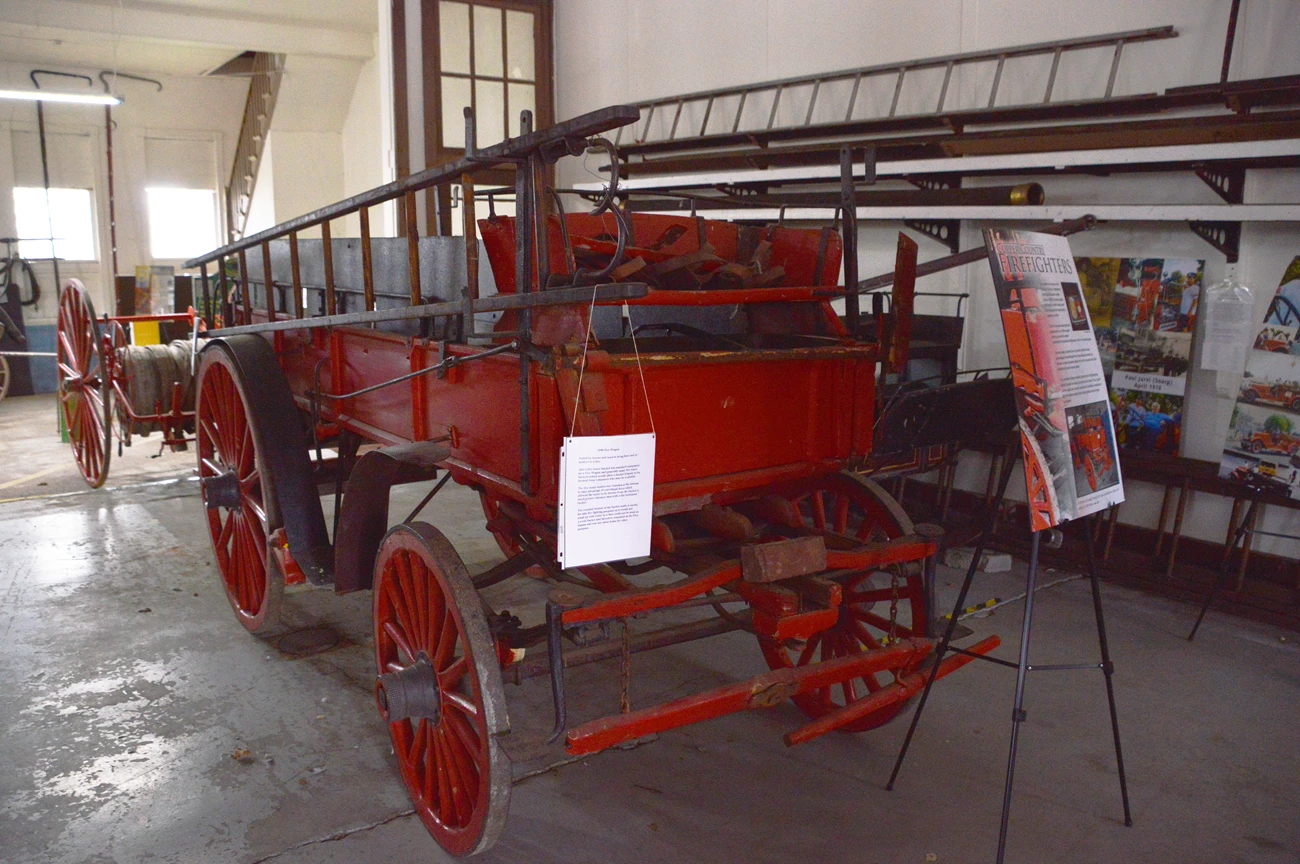
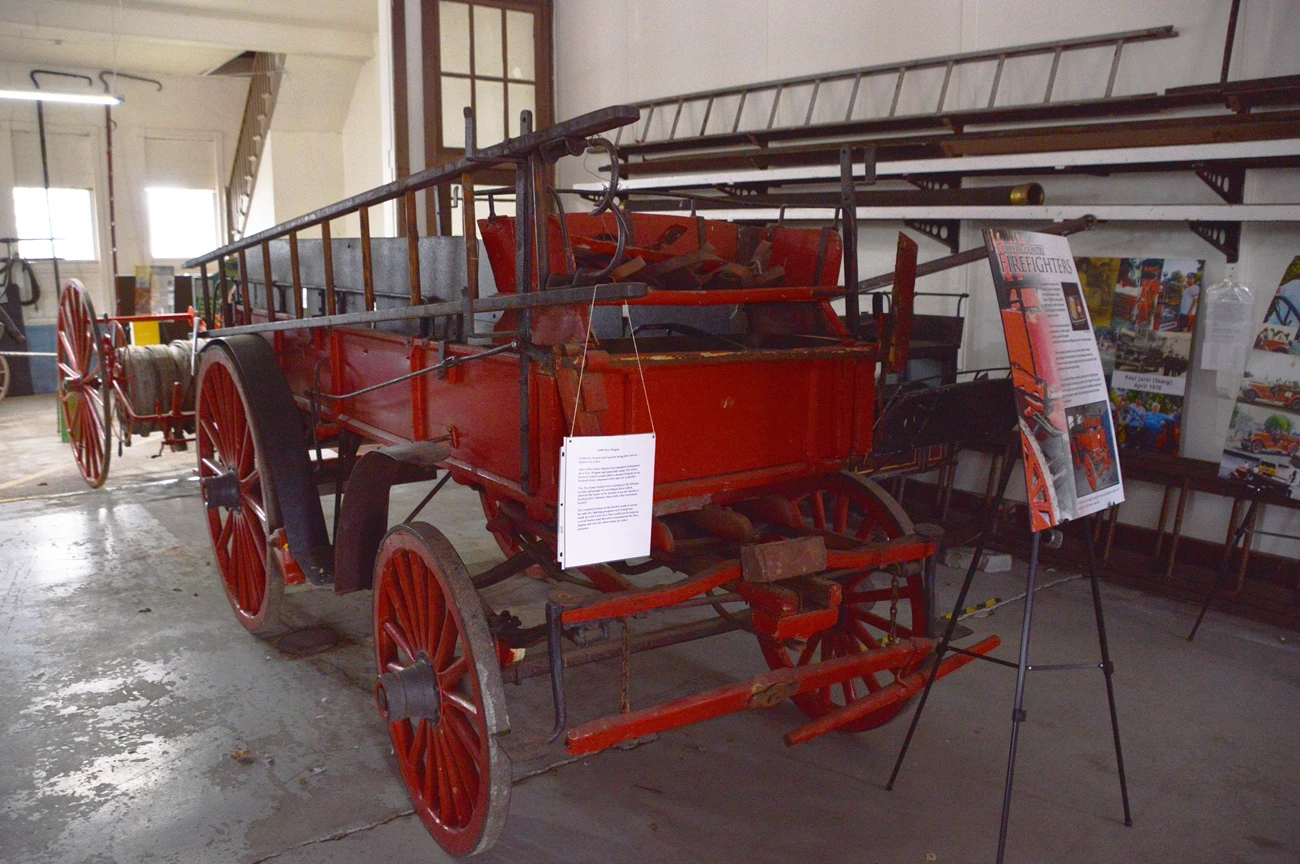
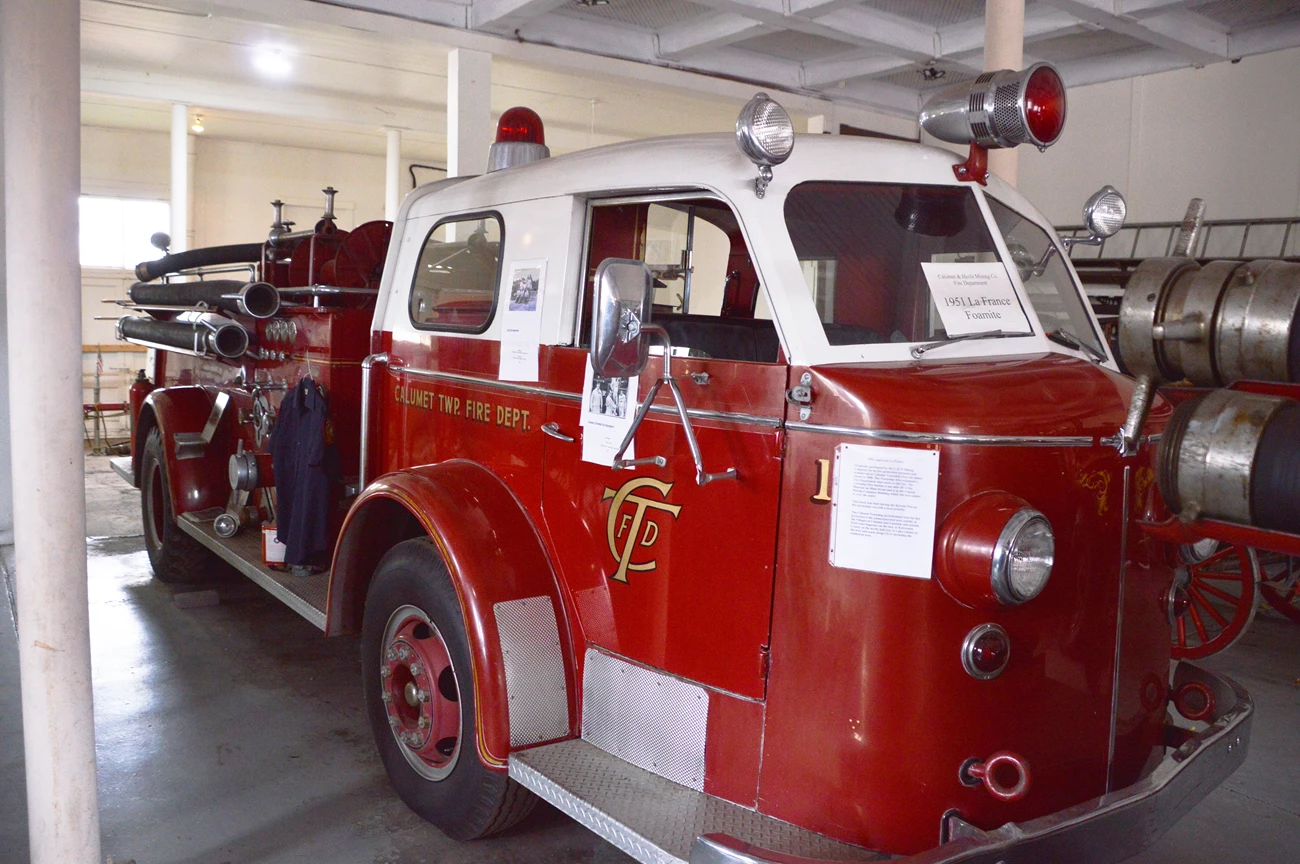
Picture Exploration (Activity #3 - Picture Exploration)Picture Exploration
|




Last updated: March 23, 2026