Black oak
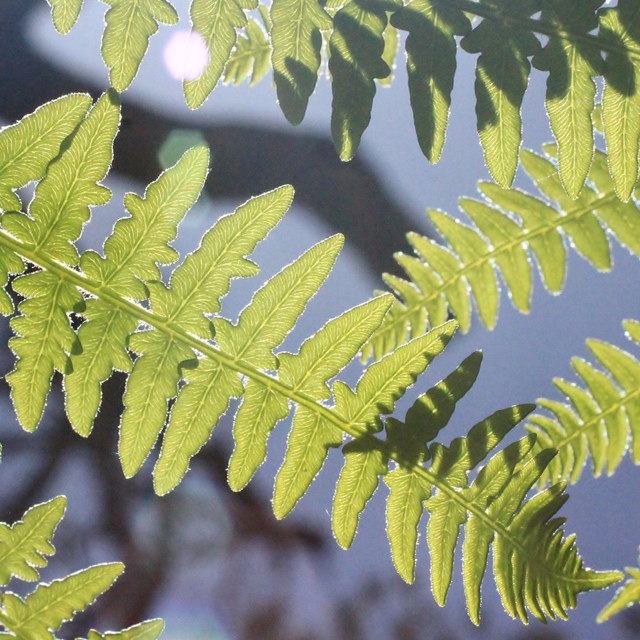
Plants: Move up or down in elevation and feel as though you are in another park. Vegetation changes from oak woodlands to chaparral scrublands to lower montane to upper montane to subalpine to alpine. Those who step into the alpine zone can see ancient foxtail pines, western junipers, and krummholtz whitebark pines. Scientists study many individual plants, including the black oak, to understand its future challenges.
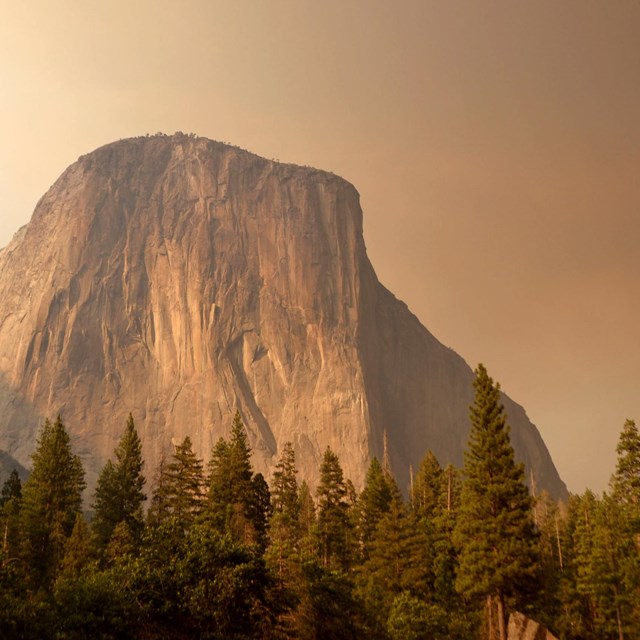
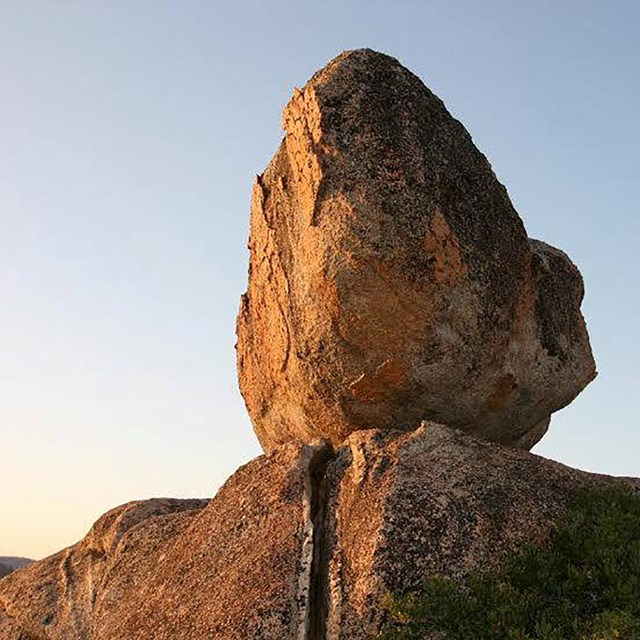
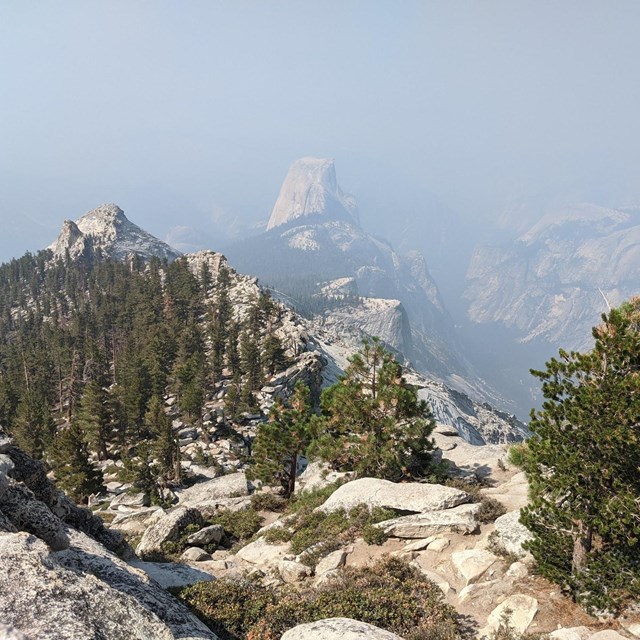
Natural Features and Ecosystems: Yosemite is a scientific laboratory of hydrology, geology and glaciology, amongst other sciences. Visitors fall in love with the park’s many waterfalls, specifically 2,425-foot Yosemite Falls that ranks as the tallest in North America, flowing down into the scenic Valley meadows. Hikers take notice of the enormous granite mountains from the 8,842-foot Half Dome to the 13,114-foot Mt. Lyell–Yosemite’s tallest peak. Glaciers, which John Muir sought out in California as well as Alaska, add into the mix with the Maclure and Lyell still intact. And, mapping all of this wonder is the task of GIS-skilled park scientists.
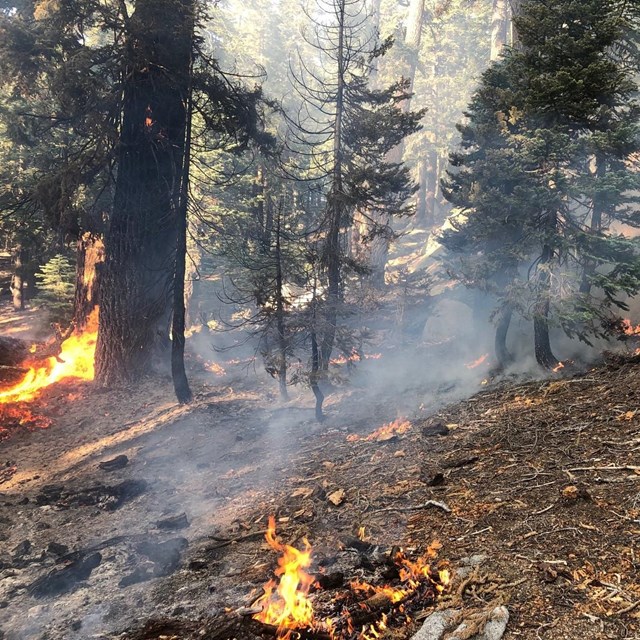
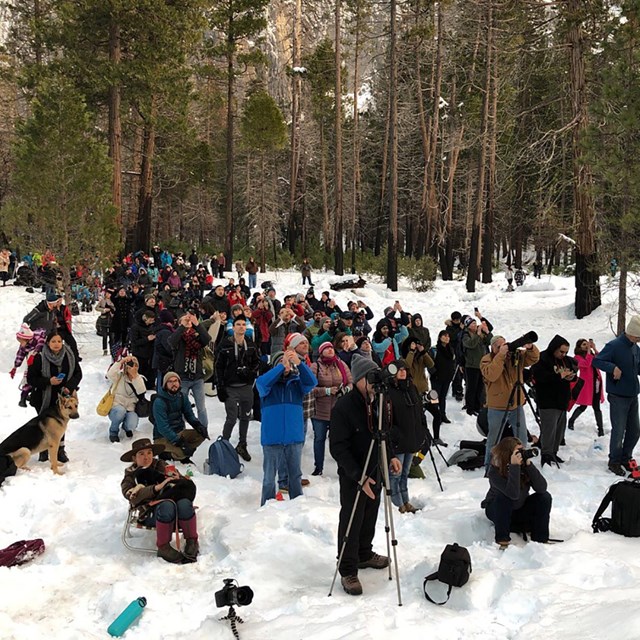
Environmental Issues: Yosemite can be affected by issues, many of which originate outside the park, like air quality and climate change. Yosemite’s environment is healthy in many ways: Visitors use their senses in Yosemite to see the breath-taking scenic vistas, hear the soundscape and almost touch the dark night sky above. Restoration projects prevent unnatural growth in open areas to retain the historic views for which Yosemite is known. Also, fire, natural or prescribed, maintains viewsheds by preventing an unsafe undergrowth in places that it should not be.
- Join the environmental cause to "Do Your Part! for Climate-Friendly Parks," which is an online program that empowers Yosemite visitors to reduce their carbon emissions and, thereby, help protect America's national parks from the impacts of global warming. Create a personal profile that will be linked to your carbon footprint and to Yosemite's goal to go green.
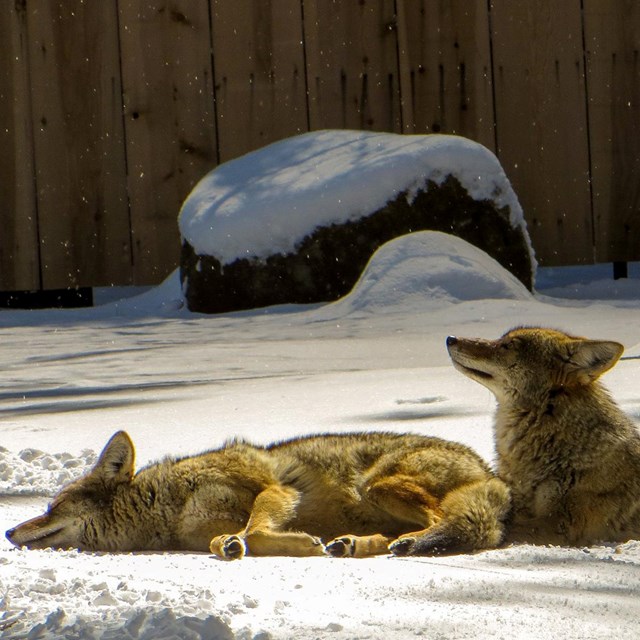
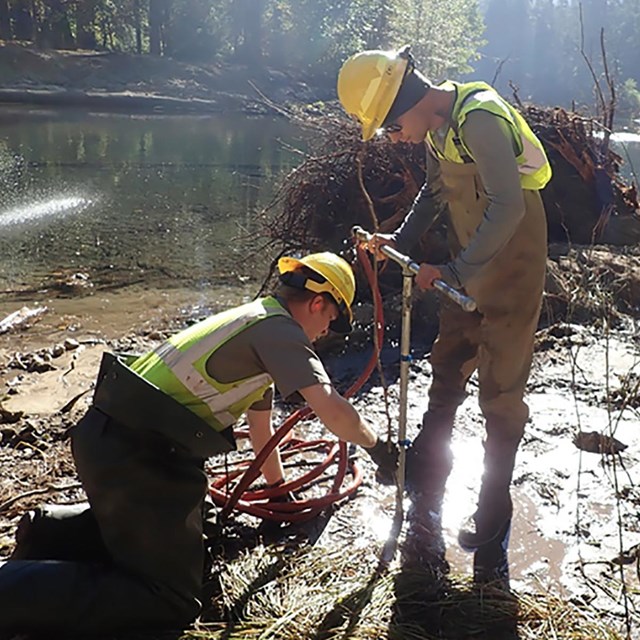
Research and Studies: A plethora of ongoing scientific research abounds at Yosemite from declining animal species studies to invasive plant removal strategies to human carrying capacity issues. Yosemite has been building its Resource Management and Science capabilities, expanding its staff to more than 100. The division serves as a public meeting place for scientific symposiums (topics include fire science, hydroclimatology, archeology, and bird surveys). In addition, the division processes hundreds of research permits every year for its staff and outside interests. And, Yosemite is proud to sponsor the first park-based social science branch, which serves as a model for ground-breaking work in visitor-use and user-capacity issues. Also, learn more about how Yosemite's scientists work on a regional level through Inventory & Monitoring.