



|
At the time of the Civil War, the Mississippi River was the single most important economic feature of the continent — the very lifeblood of America. Upon the secession of the southern states, the river was closed to unfettered navigation, threatening to strangle northern commercial interests. President Abraham Lincoln told his civil and military leaders, "See what a lot of land these fellows hold, of which Vicksburg is the key. The war can never be brought to a close until that key is in our pocket.... We can take all the northern ports of the Confederacy, and they can defy us from Vicksburg." Lincoln assured his listeners that "I am acquainted with that region and know what I am talking about, and as valuable as New Orleans will be to us, Vicksburg will be more so." The Vicksburg campaign was waged from March 29 to July 4, 1863. It involved over 100,000 troops engaging in battles in west-central Mississippi at Port Gibson, Raymond, Jackson, Champion Hill, Big Black River, and 47 days of Union siege operations against Confederate forces defending the city of Vicksburg. Located high on the bluffs, Vicksburg was a fortress guarding the Mississippi River, and known as "The Gibraltar of the Confederacy." Its surrender on July 4, 1863, coupled with the fall of Port Hudson, Louisiana, on July 9, divided the South, and gave the North undisputed control of the Mississippi River. The fighitng was brutal. By the end of the siege on July 4, 1863, close to 20,000 Americans would fall as casualties. Heroics would not go unnoticed. 120 Medal of Honors would be bestowed upon Union troops by the conclusion of the siege, including 96 men who would receive the honor following their efforts to take the Confederate fortifications on May 22, 1863. Order of BattleThe order of battle shows the hierarchical organization, command structure, strength, disposition of personnel, and the equipment of units and formations of Civil War armies. An order of battle may change as a engagement progresses, and most are finalized from the dispatches and memoirs of the commanding officers.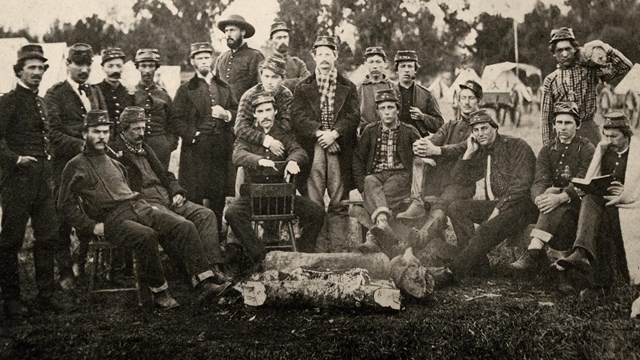
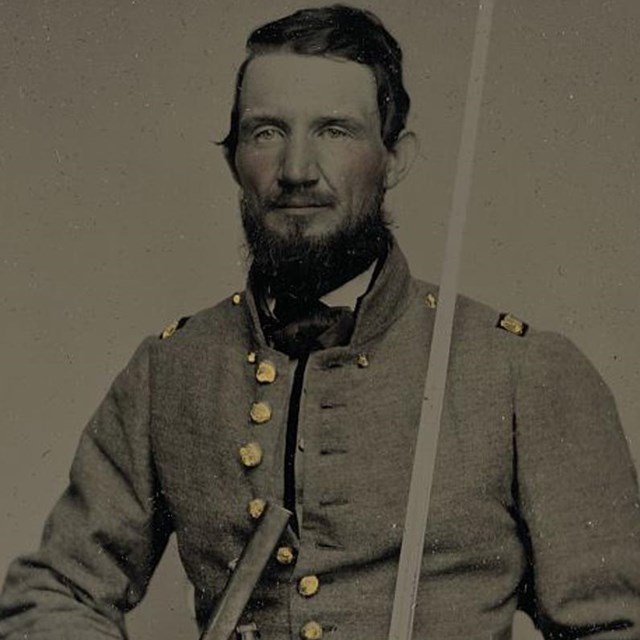
Confederate Order of Battle
A listing of the Confederate military units by division, brigade and regiment, with regimental commanders. 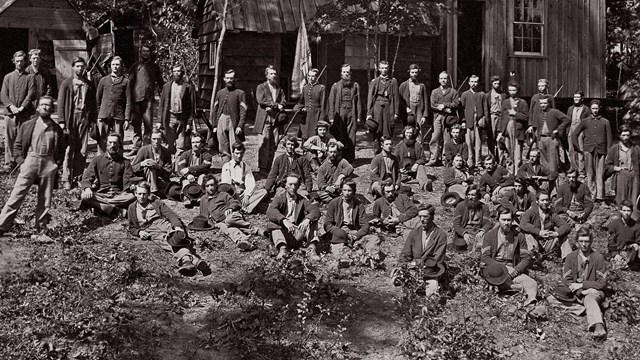
Union Order of Battle
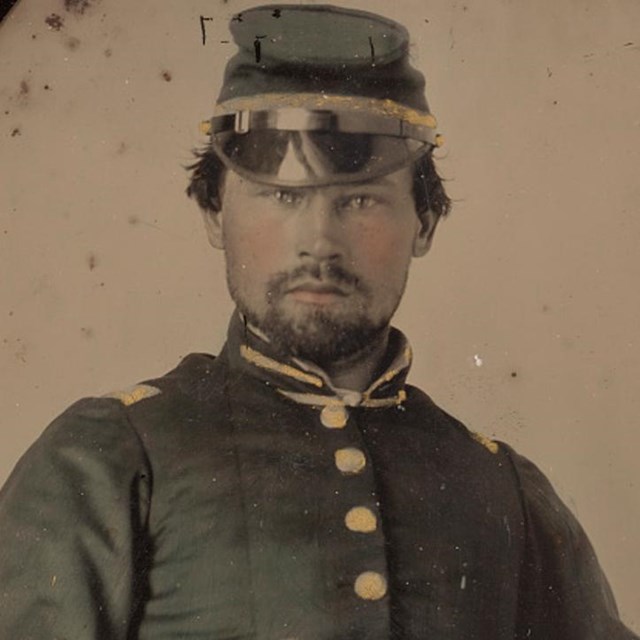
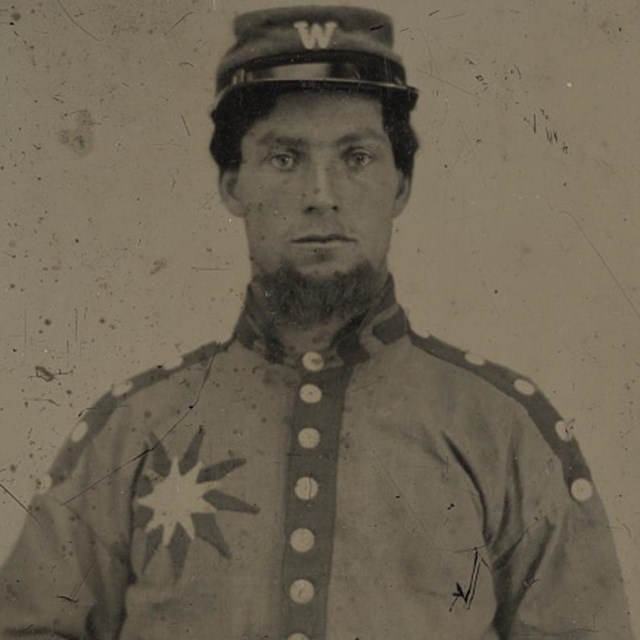
A listing of the Federal military units by division, brigade and regiment, with regimental commanders. Confederate Troops
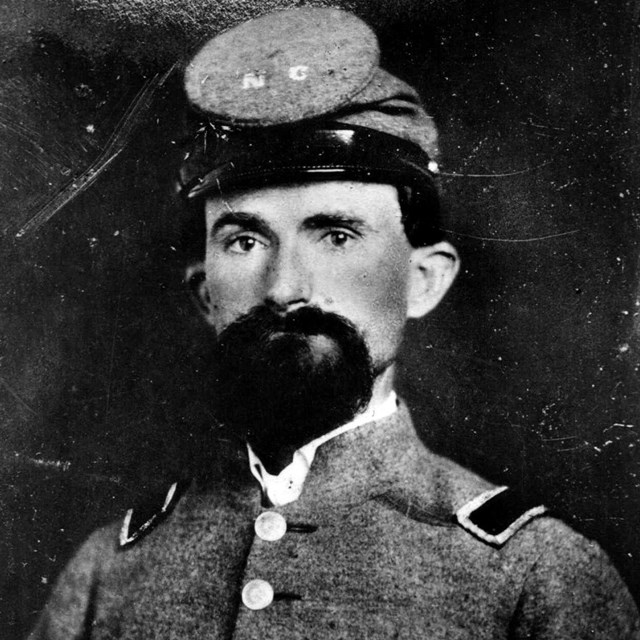
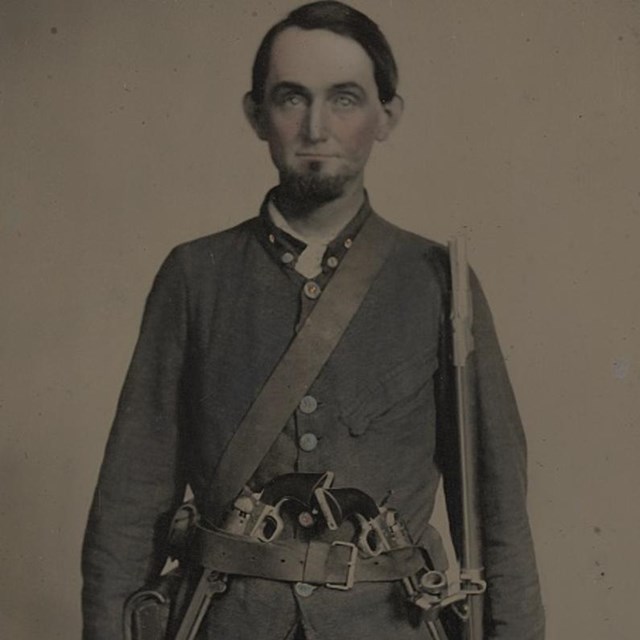
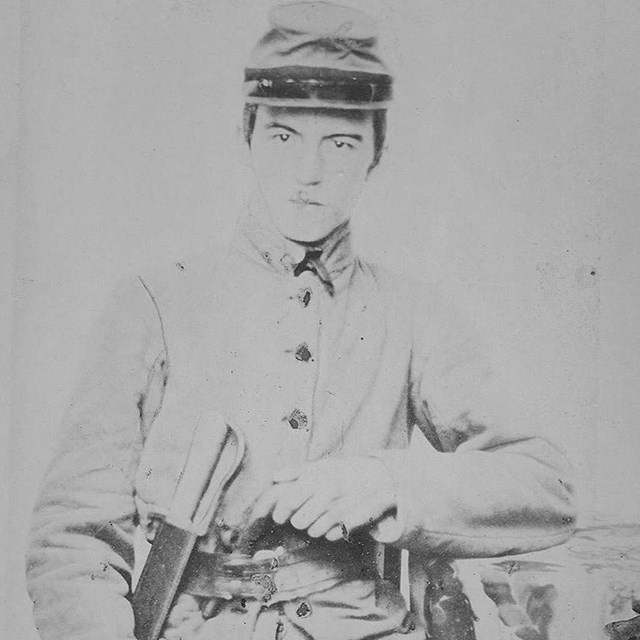
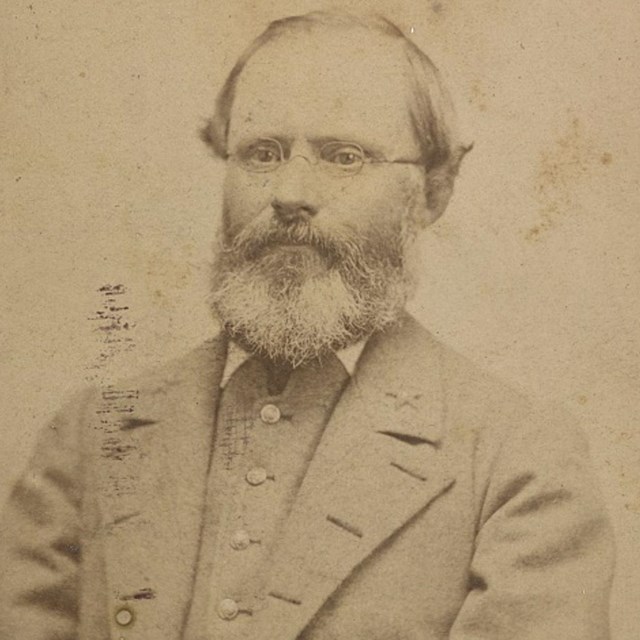
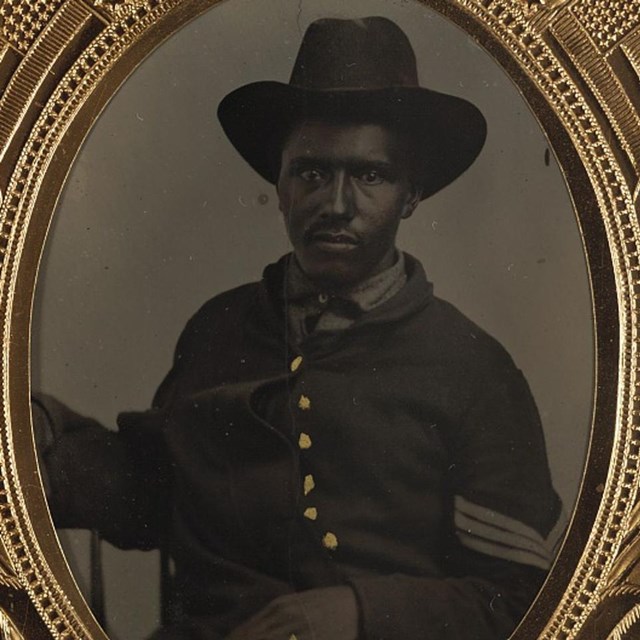
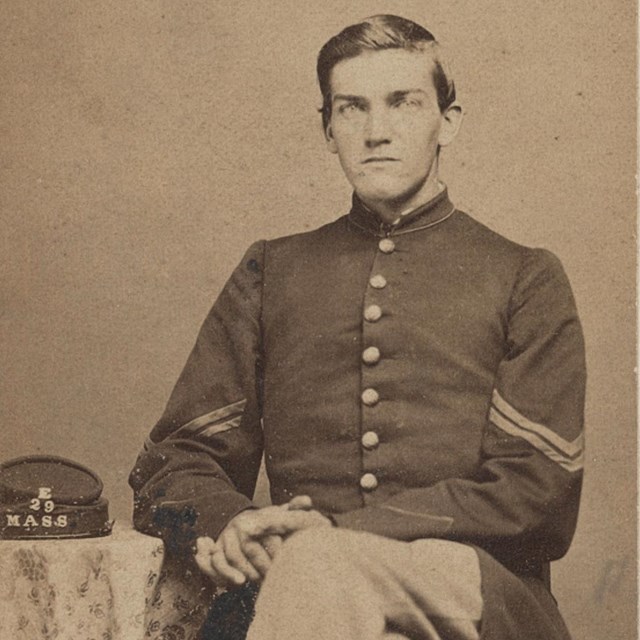
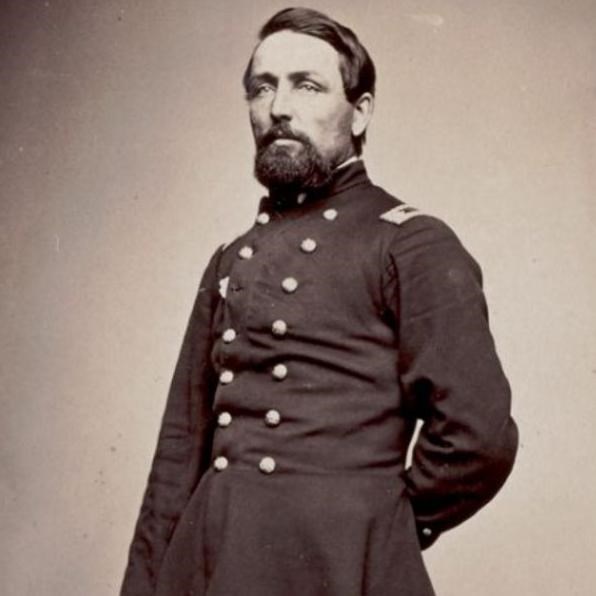
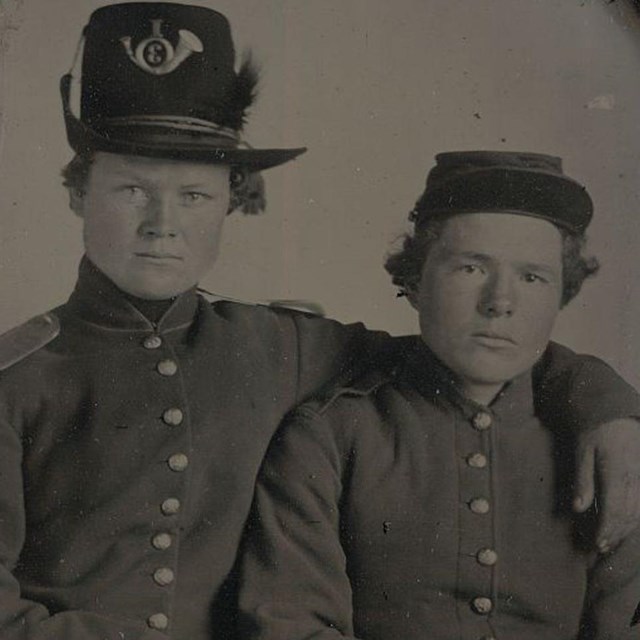
Union Troops
|





Last updated: November 2, 2019