

Browse by Park: ECOLOGY

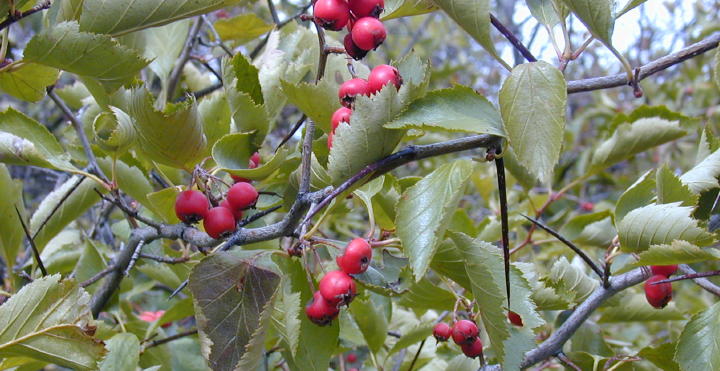
Northern hawthorne (Crataegus chrysocarpa)
 

The Northern Great Plains fire effects monitoring program was established in 1996 to document baseline vegetation information, to detect trends in vegetation populations, to ensure that resource management objectives are met, and to aid in refining parks’ fire management programs. Since 1996, over 150 monitoring plots have been established in forest stands, shrublands, and grasslands of 10 National Park units of the NGP. The majority of our monitoring protocols follow those described in the NPS Fire Monitoring Handbook, although we have used alternative protocols to answer some park-specific questions.

In addition to monitoring vegetation, the monitoring crew collects fuel moisture data throughout the summer season as well as assists with prescribed and wildland fires.

Monitoring Protocols

Monitoring Results

Fire Effects Monitoring Crew Photos

2008

2006
2005
2004
2003
2002

Fuel Moisture Data - Wind Cave

2009

2008
2007
2006
2005
2004
2003
2002
2001

Fuel Moisture Data - Mount Rushmore

2006
2005

Wildflowers of the Northern Great Plains

Research in the Parks:

Fire and Forest History at Mount Rushmore National Memorial

Fire Effects on Archaeological Resources in National Parks of the Midwest Region

Links:

NPS Fire Ecology Program

The PLANTS Database

Fire Effects Information System (FEIS)

FIREMON

Joint Fire Sciences Program

TNC Fire Learning Network

Tall Timbers

UA Laboratory of Tree Ring Research


Black Hills Ecology & Botany Workshop

Updated: October 26, 2009 Disclaimer
Problems or questions about this site? Contact: dan_swanson@nps.gov Privacy Policy