
Skip to SearchSkip to NavigationSkip to BodySkip to Footer
National Park Service LogoU.S. Department of the InteriorNational Park ServiceNational Park Service
National Park Service:  U.S. Department of the InteriorNational Park Service Arrowhead
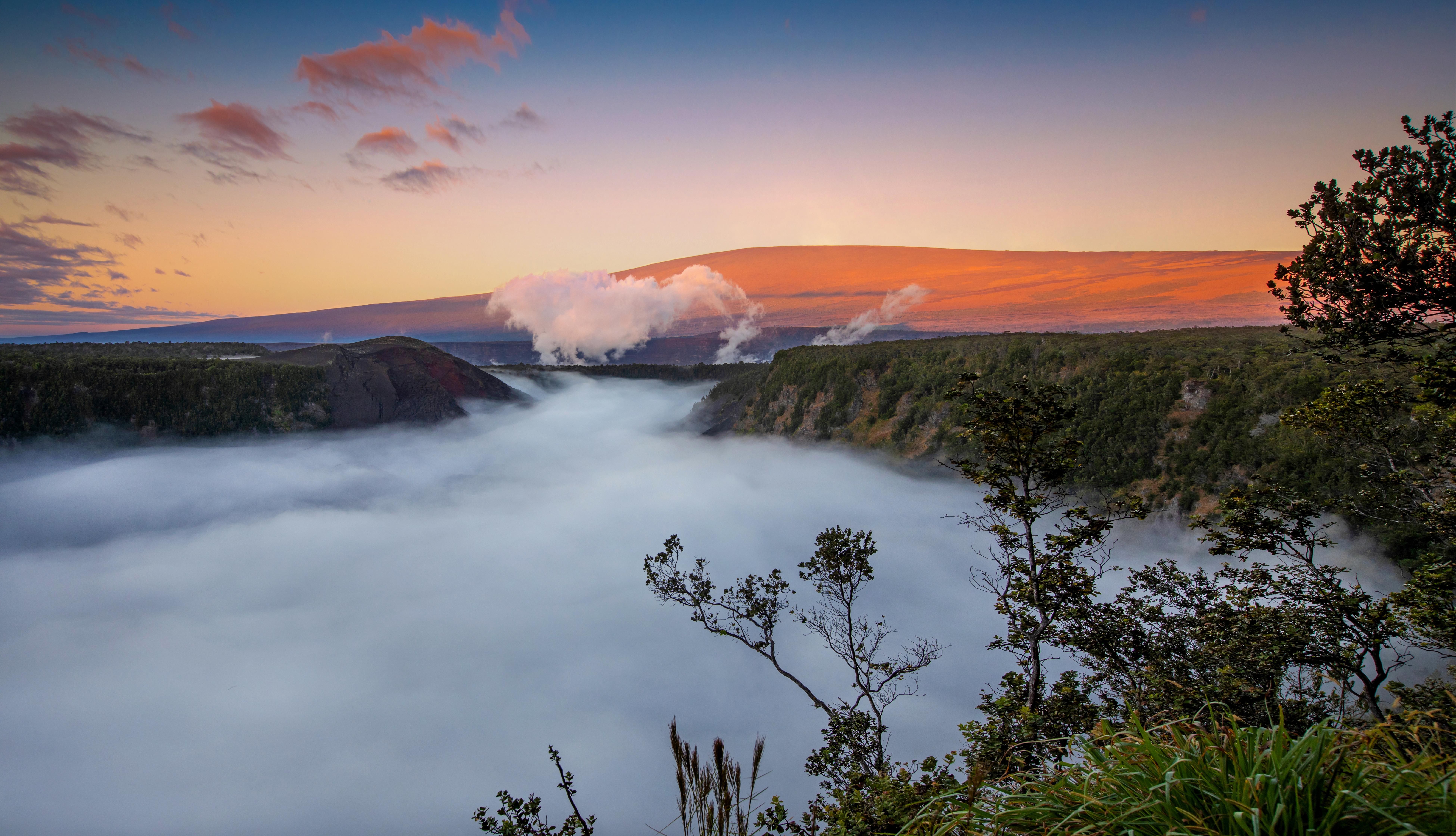
Hawai'i Volcanoes National Park Halema`uma`u at dawn viewed from Kilauea Overlook
view map
text size: largest larger normal
printer friendly

Area Closure Information - Update on Current Closures 2/8/2012

Road and area closure information:
more...

Hawaiʻi Volcanoes National Park

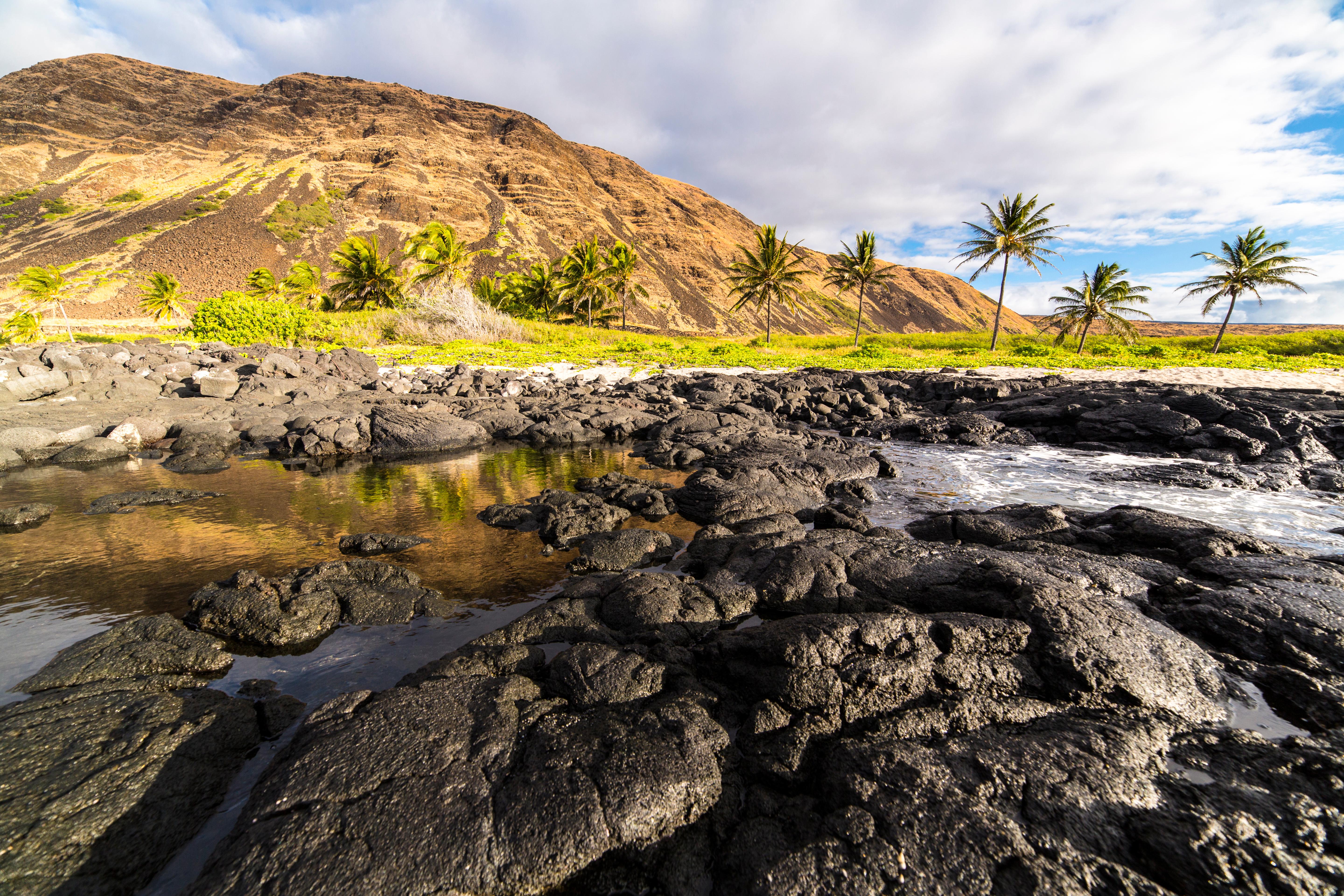
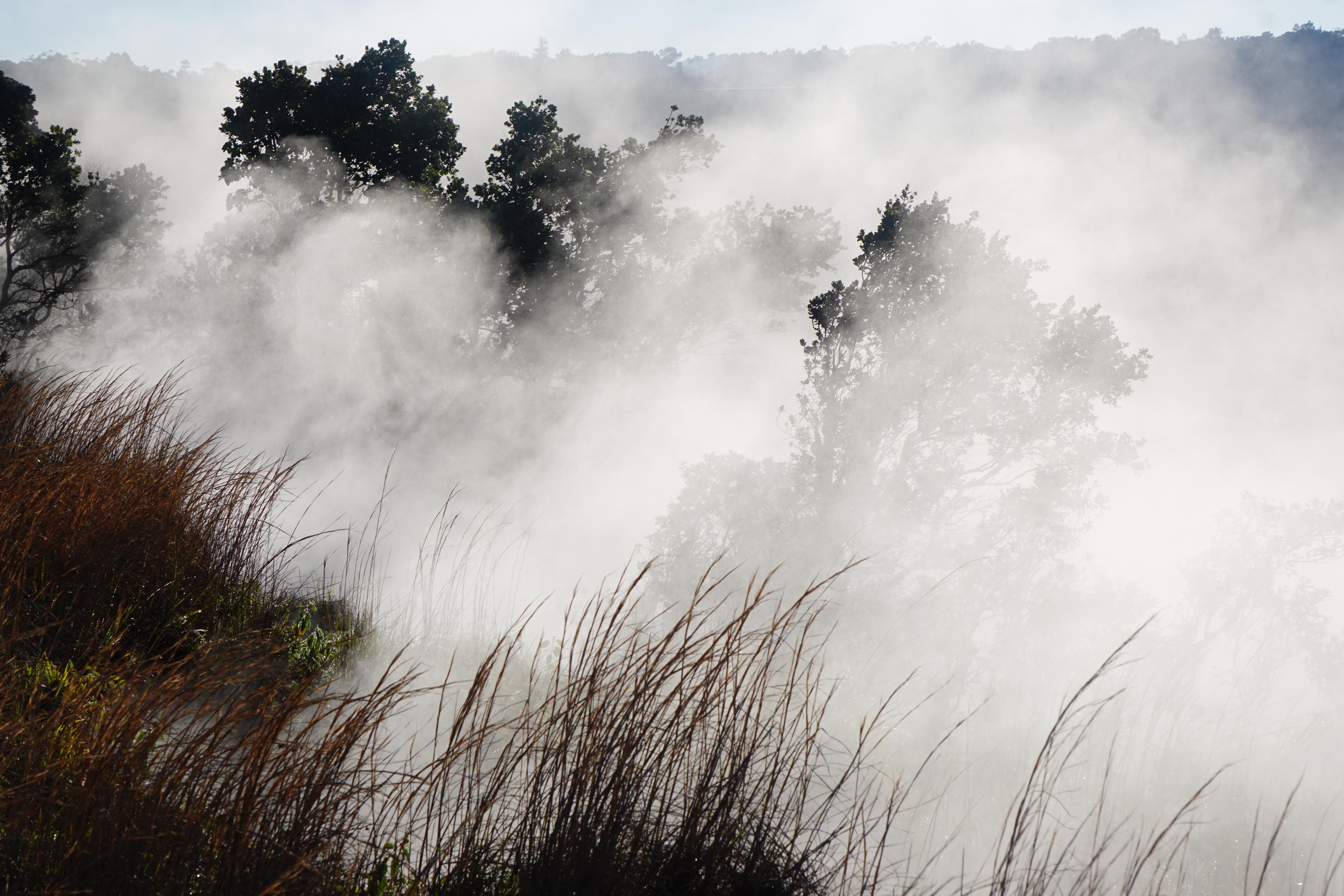
Hawaiʻi Volcanoes National Park displays the results of 70 million years of volcanism, migration, and evolution -- processes that thrust a bare land from the sea and clothed it with unique ecosystems, and a distinct human culture. The park highlights two of the world's most active volcanoes, and offers insights on the birth of the Hawaiian Islands and views of dramatic volcanic landscapes.


History and Culture

Superb voyagers, Polynesians from the Marquesas Islands migrated to Hawai`i over 1,600 years ago. Navigating by the sun and stars, reading the winds, currents, and the flight of seabirds, Polynesians sailed across 2,400 miles of open ocean in great double-hulled canoes. They brought with them items essential to their survival and a distinct culture.


more...
 

World Heritage Site

In recognition of its outstanding values, Hawai'i Volcanoes National Park has been designated an International Biosphere Reserve (1980) and World Heritage Site (1987).


more...
 

Nature and Science

Created to preserve the natural setting of Kīlauea and Mauna Loa, the park is also a refuge for the islands native plants and animals and a link to its human past. Park managers work to protect the resources and promote understanding and appreciation of the park by visitors. Hawksbill Turtle Project
more...


Write to

Hawaiʻi Volcanoes National Park
P.O. Box 52
Hawaii National Park, HI 96718-0052

E-mail Us

Phone

Visitor Information
(808) 985-6000

Fax

(808) 985-6004

Climate

Island weather is unpredictable. Visitors should be prepared for rain and wear layers of clothing to ensure their comfort while exploring the park.

Temperature varies by elevation. Weather at Kīlauea's summit (4000' elevation) varies daily and may be rainy and chilly any time of the year. At the summit of the volcano, temperatures may be 12 to 15 degrees cooler than at sealevel. The coastal plain at the end of Chain of Craters Road is often hot, dry and windy with the possibility of passing showers.

Be prepared for all weather conditions. Wear layers of clothing, bring raingear and wear hiking boots or shoes if you plan to venture out on trails.
more...
Skip to SearchSkip to NavigationSkip to BodySkip to Footer
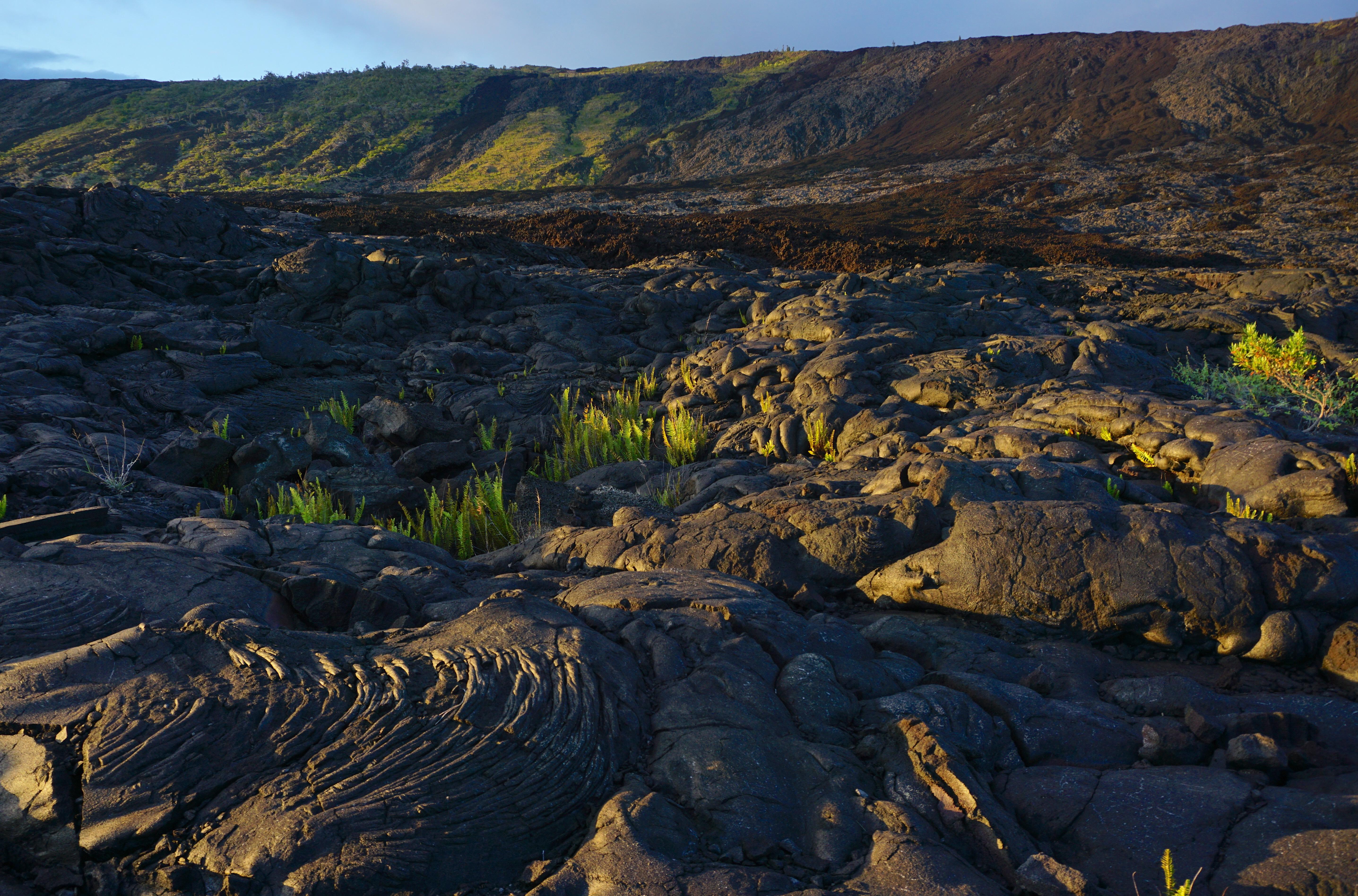
`a`a flowing over an older flow of pahoehoe.

Did You Know?
The two types of Hawaiian lava differ in appearance but are chemically alike. Pahoehoe has a smoother and ropey surface where a`a is jagged and clinkery.

Last Updated: February 08, 2012 at 10:29 MST

CANCEL

You are exiting the National Park Service website

Thank you for visiting our site.

You will now be redirected to:

We hope your visit was informative and enjoyable.