• View of the Golden Gate Bridge, taken from the Marin Headlands, looking across the bay back towards San Francisco, seen in the distance.

    Golden Gate

    National Recreation Area California

There are park alerts in effect.
show Alerts »
  • Tunnel to Marin Headlands Closed

    The tunnel on Bunker Road from Alexander Avenue in Sausalito towards the Marin Headlands is closed for construction. Please follow the detour signs to Conzelman Road (just above the north end of the Golden Gate Bridge) to go up over the hill. More »

  • Muir Beach (but not nearby Muir Woods) parking lot closed June-November 2013

    Muir Beach parking lot will be closed from June-November 2013 due to construction. Restrooms or nearby parking will not be available at Muir Beach during this period. Pacific Way is closed except to residents. Check back for updates or call (415)561-3054 More »

  • CAUTION: Post Storm Damage to Coastal Trail

    The Presidio Coastal Trail segment just north of the Pacific Overlook and adjacent to Lincoln Blvd remains CLOSED indefinitely. We have posted signage to alert bicyclists and hikers and with information for safe trail alternatives. More »

Fort Cronkhite

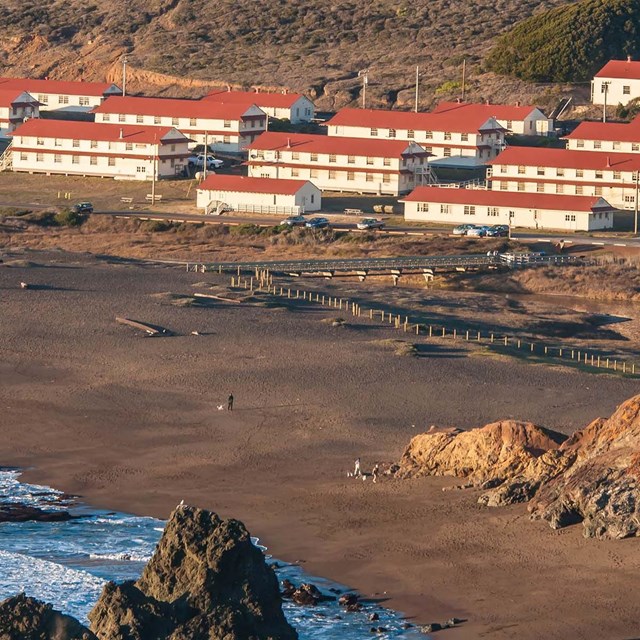
View looking north showing the ocean coastline and historical military buildings at Fort Cronkhite.
NPS/Kirke Wrench
 

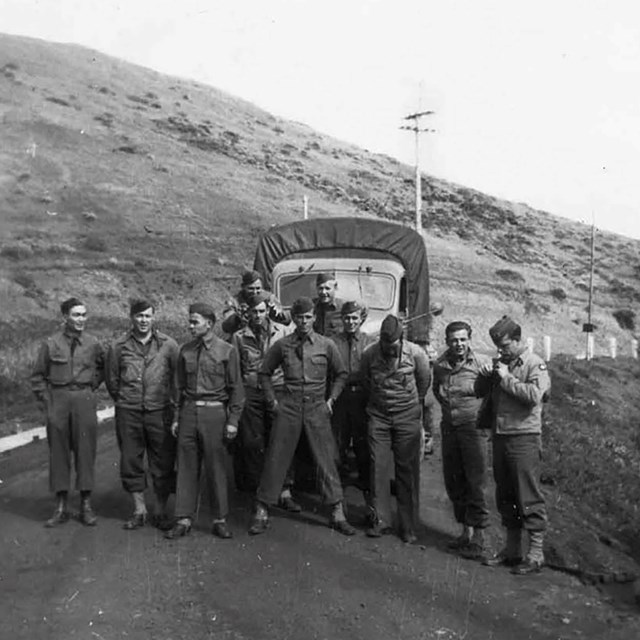
Located in the Marin Headlands, Fort Cronkhite is a former World War II military post that stands at the edge of the Pacific Ocean. Fort Cronkhite today is one of the few preserved examples of these World War II "mobilization posts" remaining in the country. The fort's barracks, mess halls, supply buildings, and other structures are preserved to tell the story of the soldiers who waited here for an enemy that never came.

To learn more about the park's historic World War II army post, visit the Fort Cronkhite history page.

Tips and Highlights

  • Look for the Marin Headlands Visitor Center's red spire at Bunker and Field roads. Explore exhibits on the natural and historical resources of Rodeo Valley and the Marin Headlands. Ask park rangers about trails and camping.
  • Spend an afternoon relaxing on Rodeo Beach or surfing its waves.
  • Explore the miles of backcountry trails that meander through coastal hills, and observe birds, butterflies, and bobcats.
  • Visit the Marine Mammal Center to learn about the many fascinating mammalian species that reside in nearby waters.
  • Volunteer with the Conservancy's Marin Headlands Native Plant Nursery and grow plants for vital park restoration projects.

Nature

Beaches and Basalt
Rodeo Beach at Fort Cronkhite is a great place to marvel at the pretty green and dark-red pebbles that come from pillow basalts and chert-rocks formed on the seafloor and scraped off on the Headlands by plate tectonics.

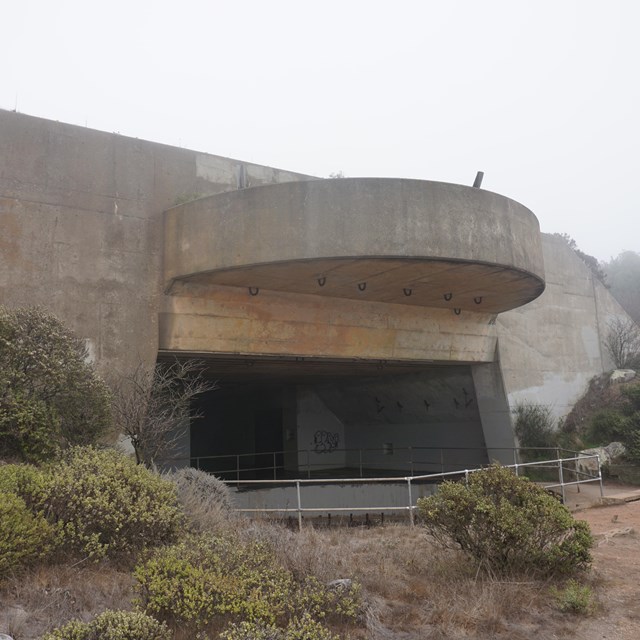
Fort Cronkhite is also the location of Rodeo Lagoon and Rodeo Beach. Trail heads that lead up into the Marin Headlands coast line and Battery Townsley begin here.

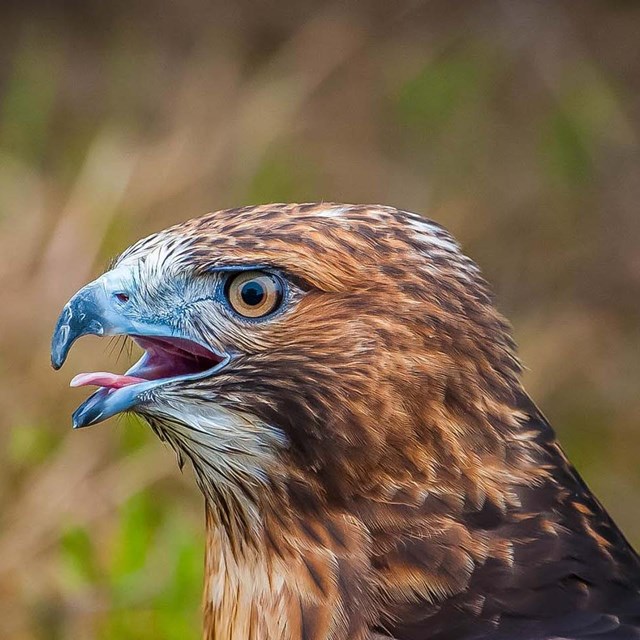
Fort Cronkhite is also home to many park partners, including the Marine Mammal Center, The Headlands Institute, the Golden Gate Raptor Observatory and others.

Visiting the Marin Headlands

From the North

• Take Hwy 101 southbound.
• Exit at second Sausalito exit, just before the Golden Gate Bridge.
• Bear right onto Alexander Avenue; proceed back under the freeway.
• Follow Alexander Avenue 0.2-miles; turn left onto Bunker Road.

From the South

• Take Hwy 101 northbound across the Golden Gate Bridge.
• Exit Alexander Avenue; bear right.
• Follow Alexander Avenue 0.2-miles; turn left onto Bunker Road.

Directions to Fort Cronkhite

• On Bunker Road, pass through one way Baker-BarryTunnel.
• Follow Bunker Road 3-miles and continue pass Rodeo Lagoon. Head toward the ocean and Fort Cronkhite will be on your right-hand side

For more information

Marin Headlands Visitor Center
Fort Barry, Building 948
Sausalito, CA 94965

(415) 331-1540


Did You Know?

Beach at Crissy Field

One of the oldest tidal gauges in the country at Crissy Field shows 8 inches of sea level rise over the past 100 years (a rate 2 to 10 times higher than the previous 5000 years). We could see 2 to 3 more rise in the next 100 years.