




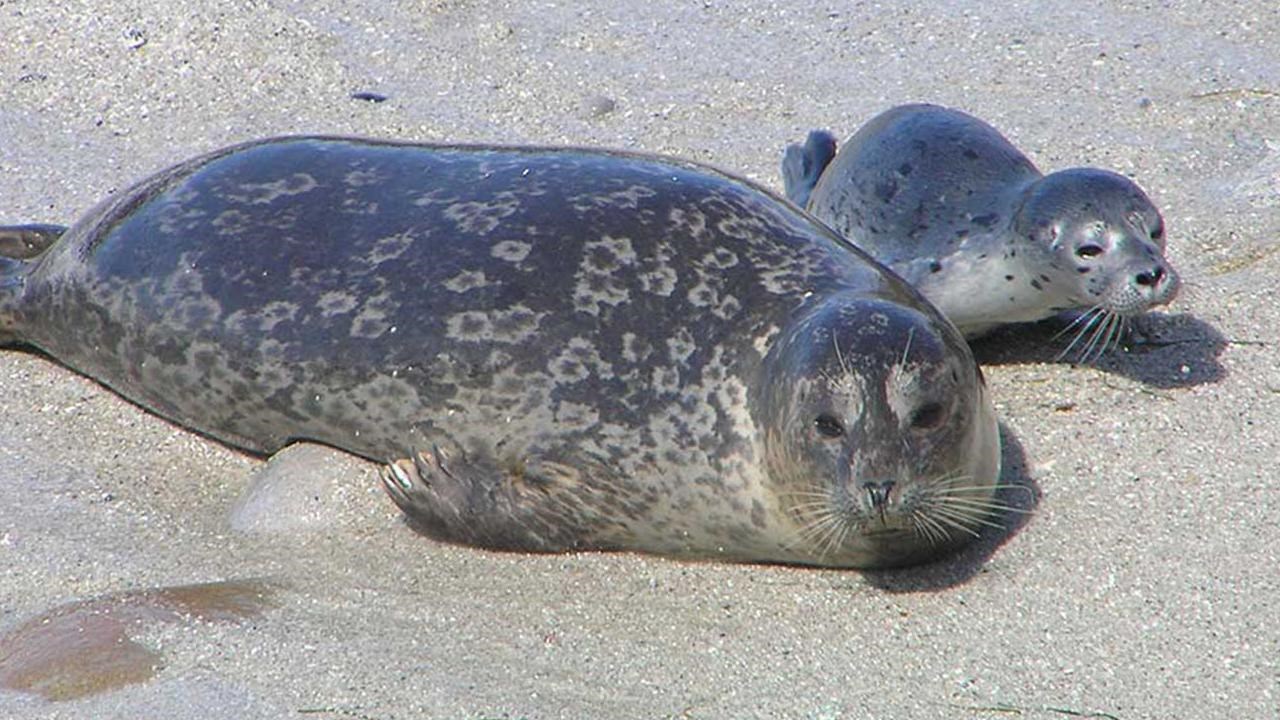
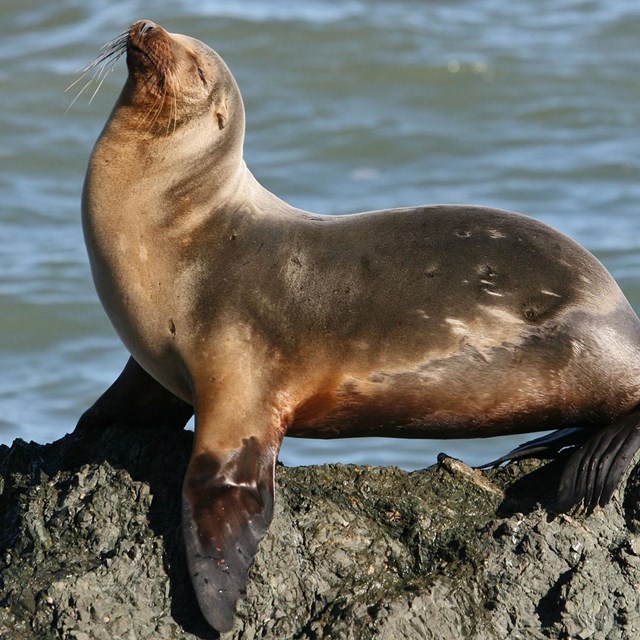
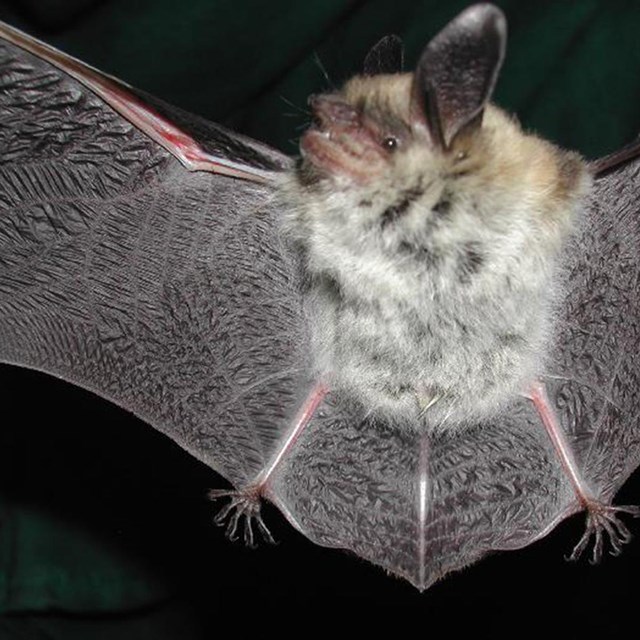
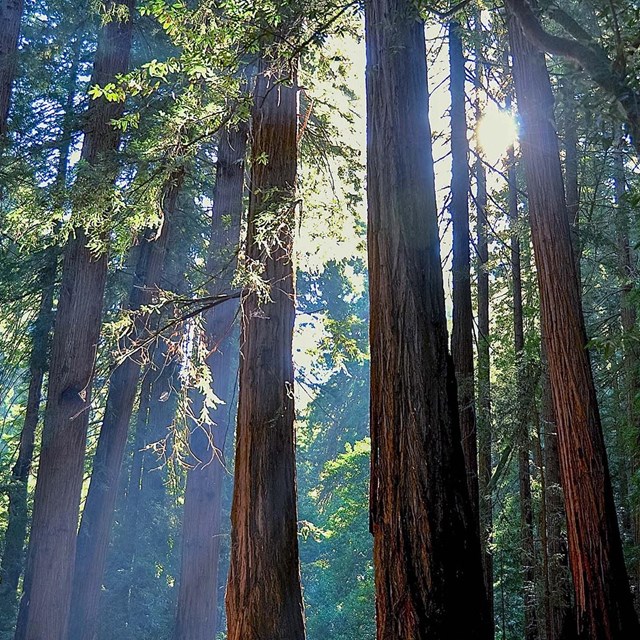
nps photo These furry members of Golden Gate's wildlife seem to attract the most interest from park visitors. Despite the urban development and habitat fragmentation that continues to occur in central coastal California, the park supports a diversity of mammals. The fauna of today are very different than the variety of species found here before the arrival of the Europeans in the 1700s. After the Gold Rush, local grasslands and scrublands were quickly replaced with dairies and farms to support this emerging metropolitan mecca. Long gone are the large mammals such as the grizzly bear and tule elk of early California. But high densities of mesocarnivores, including the gray fox, bobcat, and the recently reestablished coyote inhabit coastal scrub and grasslands across Marin and San Mateo Counties. Mountain lions sightings regularly occur throughout undeveloped areas of these two counties. These carnivores feed on a variety of small and large mammals such as the black-tailed deer, broad-footed mole, pocket gopher, deer mouse, western harvest mouse, California vole, badger, and brush rabbit. The shady forest world of Muir Woods supports 30 species of mammals, ranging from the vagrant shrew and Trowbridge’s shrew to the Sonoma chipmunk, western gray squirrel, opossum, and black-tailed deer. Spotted owls feed primarily on dusky-footed wood rats, known for their large wood pile nests. Carnivores include the raccoon, striped and spotted skunks, long-tailed weasel, gray fox, and the recently returned river otter. Bats are always an intriguing group, instilling awe into those who admire and fear them. Nine different species have been identified roosting in the fire scars of old growth redwood trees. Three of the species, the Pacific western big-eared bat, fringed myotis, and Yuma myotis, are federal or state species of concern. Isolated coastal rocks and beaches serve as haul-outs for harbor seals and California sea lions. Although Bay shores were once filled with pinnipeds, concentrations such as the hundreds of harbor seals that haul out in Point Bonita Cove at Marin Headlands can still be found. Significant harbor seal pupping areas are found in Bolinas Lagoon and Tomales Bay. The northern elephant seal population has been rapidly increasing, leading to more encounters on sandy beaches throughout the region, including a fairly large colony at Point Reyes National Seashore. California gray whales, humpback whales, and harbor porpoises use nearshore waters. Young whales occasionally wander into San Francisco Bay. Southern sea otters are infrequently seen offshore with numbers increasing as the population spreads north from Monterey Bay. Learn More
Pacific Coast Science & Learning Center
Browse more resources on mammals in San Francisco Bay Area parks. |
 |
|
Last updated: October 11, 2024