



|
Are you planning a trip to the park from November through April? These months fall into our dry season, one of the most popular times to visit, due to the lower temperatures, lessening of mosquitoes, and abundance of wildlife. Use this page to help you plan your visit this dry season. Typical Dry Season Weather ConditionsThe Everglades are mild and pleasant from November through April, with low humidity and clear skies. Temperatures reach average highs of 77°F and lows of 53°F. Though strong cold fronts may occasionally create near freezing conditions, such events are rare in this subtropical climate. 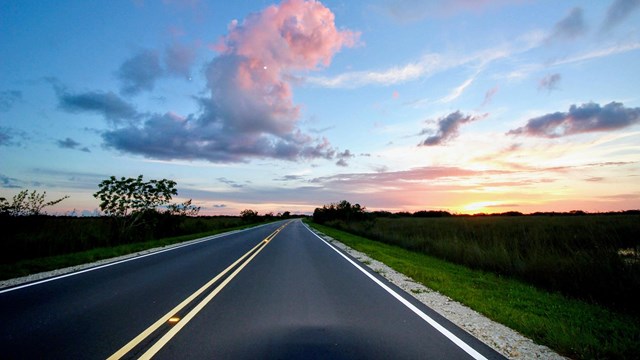
Directions and Transportation
Learn about directions, entrances and how to use the trolley to get to the park. 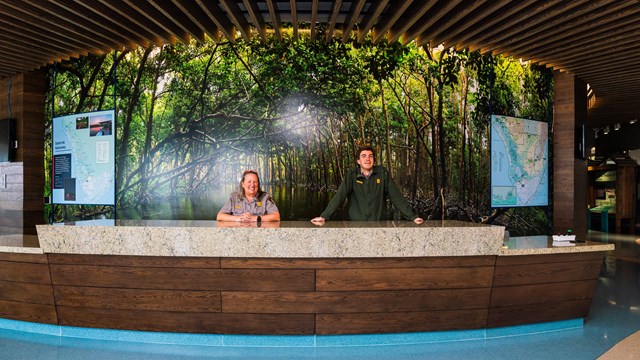
Plan Your Visit
Start here for essential park information, from directions to entrance fees to hours of operation. 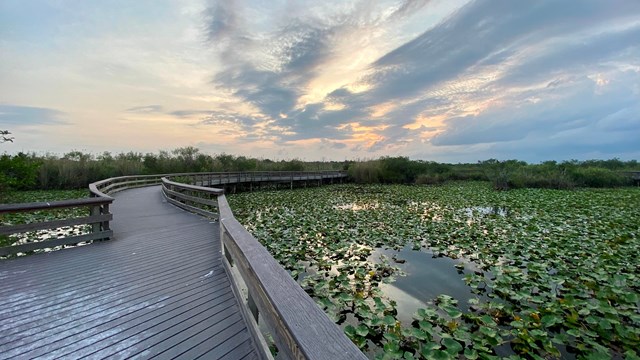
Places to Go
Explore various destinations and learn about visitor centers, entrances and ways to get there. 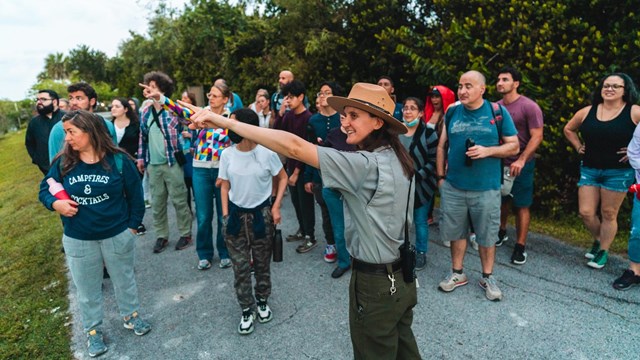
Ranger-Led Programs
Learn about our Ranger-led programs at Royal Palm, Flamingo, Shark Valley, and Gulf Coast. 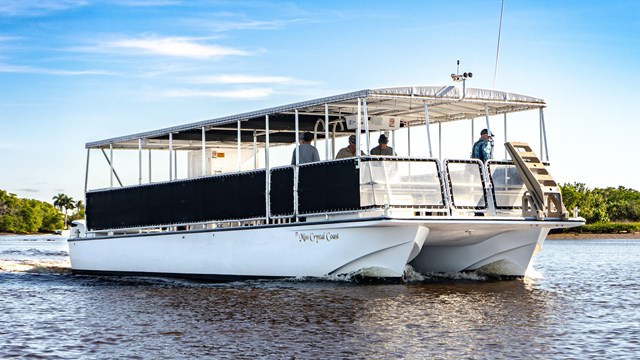
Guided Tours
Rangers are not the only naturalists that lead groups in the park. Check out the tour options offered by park partners and concessions. 
Plan Like a Park Ranger
Top 10 list to #PlanLikeaParkRanger for a visit to Everglades National Park. 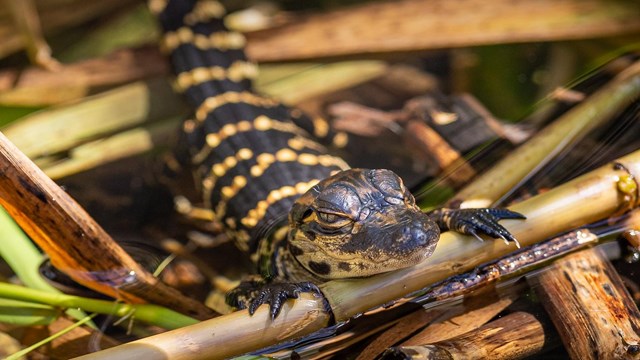
Wildlife Viewing
Observing wild animals in their natural environment is a privilege. It is your responsibility to keep wildlife wild by being respectful. 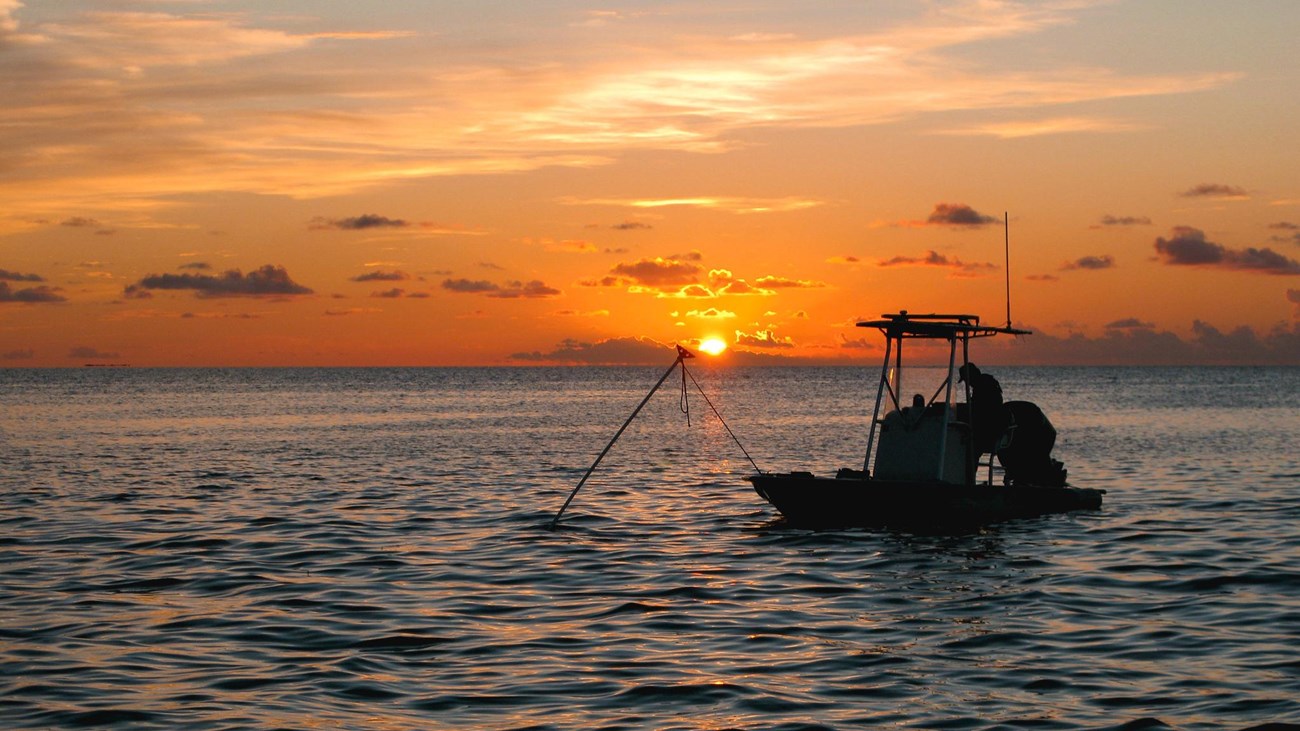
Boating in the Park
Everglades has developed a free boater education course to orient and educate boaters to the unique features of the park's marine waters. |
 |
|
Last updated: March 7, 2024