
Skip to SearchSkip to NavigationSkip to BodySkip to Footer
National Park Service LogoU.S. Department of the InteriorNational Park ServiceNational Park Service
National Park Service:  U.S. Department of the InteriorNational Park Service Arrowhead
Virgin Islands National Park Frigate Pelican
view map
text size: largest larger normal
printer friendly

American Paradise

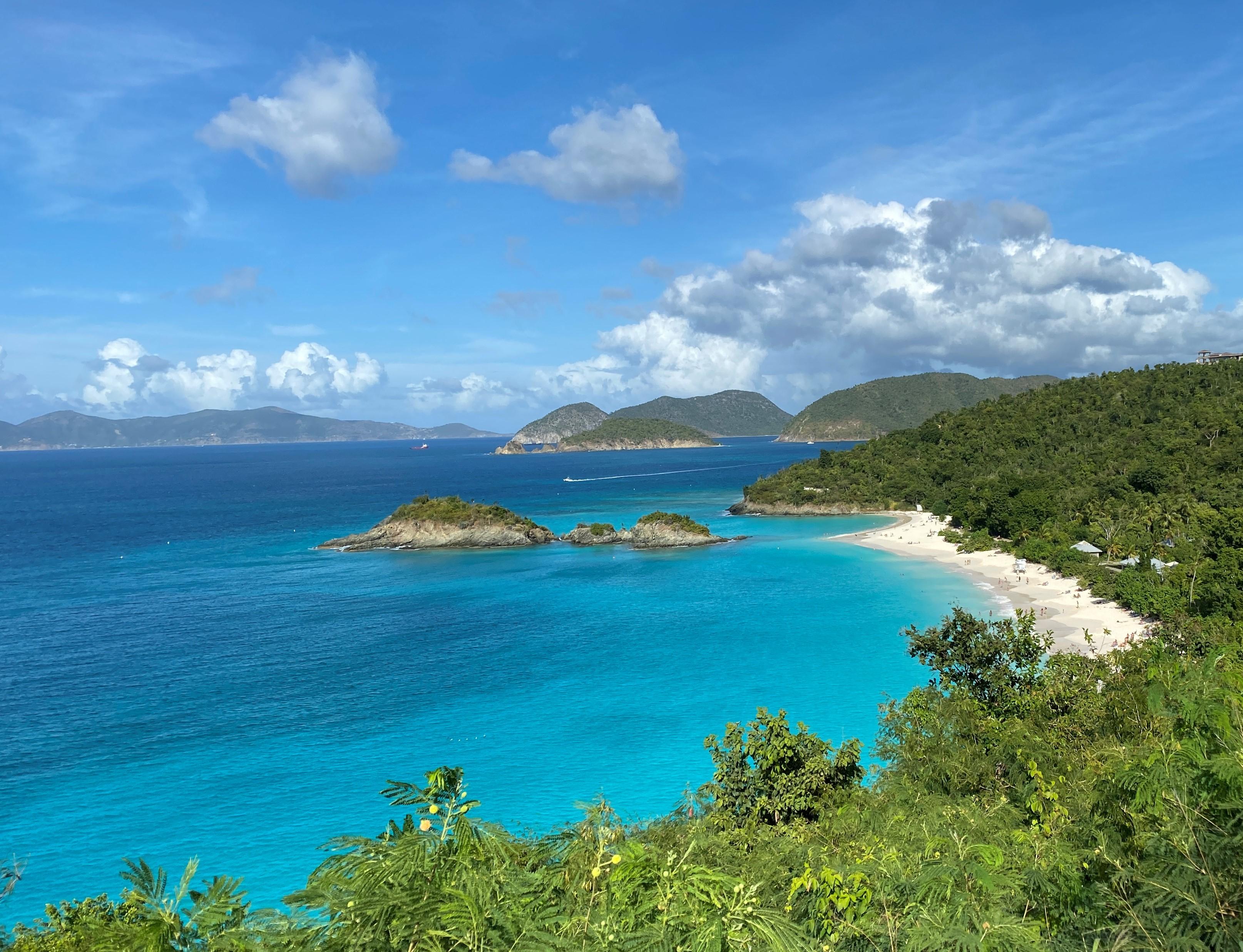
Virgin Islands National Park’s hills, valleys and beaches are breath-taking. However, within its 7,000 plus acres on the island of St. John is the complex history of civilizations - both free and enslaved - dating back more than a thousand years, all who utilized the land and the sea for survival.

 
Rock carvings, created by the Taino Indians, can be seen in the Reef Bay valley.

History

Civilizations lived on St. John long before the Europeans arrived to the region, as evidenced by the petroglyphs, or rock carvings left by the Taino people. These carvings are found especially on the Reef Bay hiking trail. These people were all but driven into extinction by Europeans in the 17th century seeking new territories as colonial properties.

 
Image of mountain on east end of Island above Hurricane Hole.

Natural History

Much of the vegetation on the Island is second generation growth. Almost the entire Island was clear-cut to make way for sugar cane production during the colonial era. Some native species like the tyre palm remain, but much growth today are introduced species.

 
staghorn coral on reef

Submerged Lands

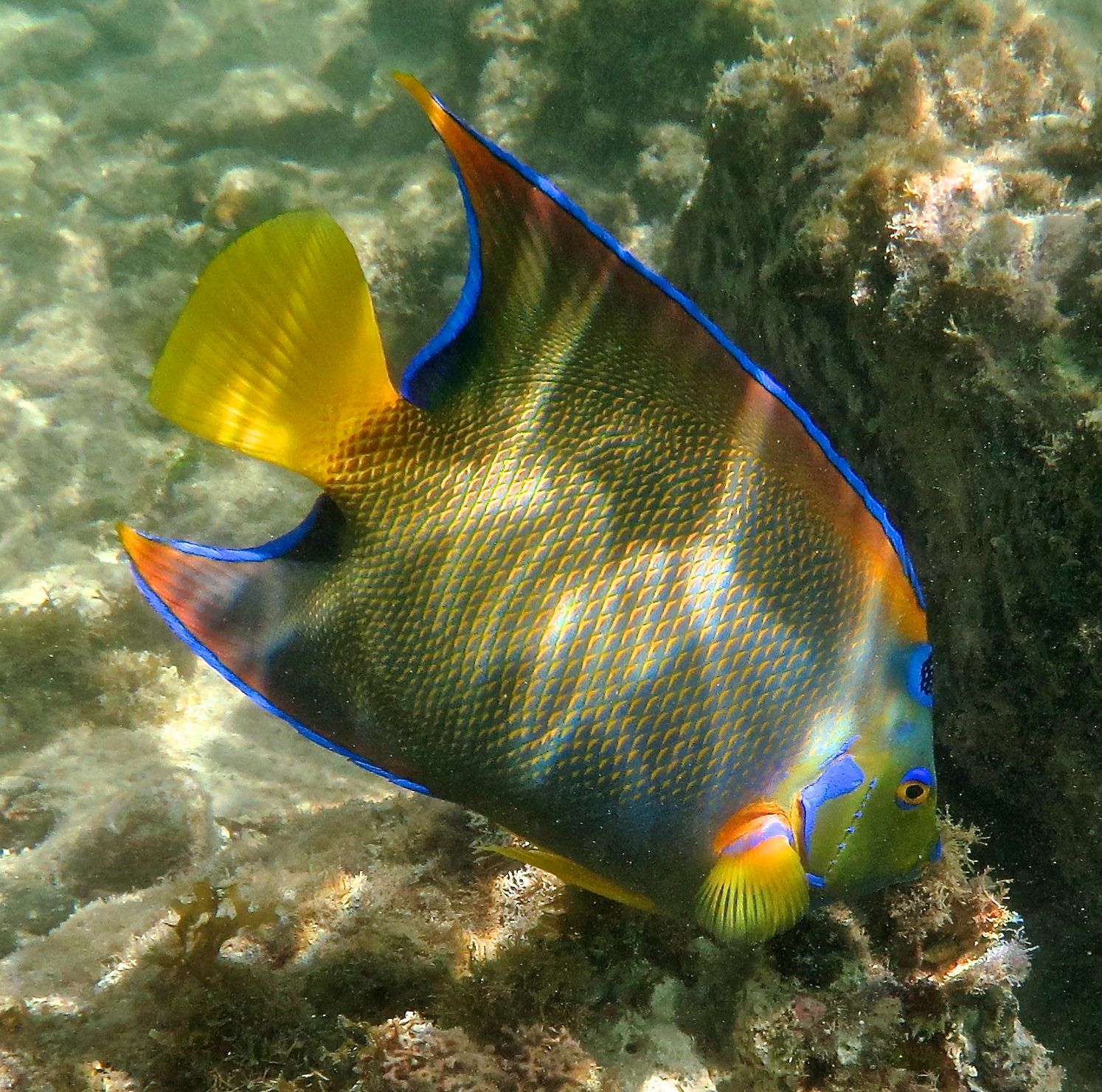
In 1962, Congress expanded the boundary of Virgin Islands National Park to include 5,650 acres of submerged lands to protect and preserve the beautiful coral gardens and seascapes. Today, the Park conducts research, and has developed policies and practices aimed at protecting the fragile coral reef systems.


Virgin Islands Coral Reef National Monument

The need to protect reefs from further degradation led to a Presidential Proclamation establishing the Virgin Islands Coral Reef National Monument in January 2001. Hurricane Hole (pictured) is the only area of the Monument accessible by land.


more...


Write to

Virgin Islands National Park
1300 Cruz Bay Creek
St. John, VI 00830

E-mail Us

Phone

Visitor Information
(340) 776-6201 ext. 238

Fax

(340) 775-9592

Climate

Climate is temperate year-round ranging from low eighties during the winter months to the low - mid nineties in the summer.
Skip to SearchSkip to NavigationSkip to BodySkip to Footer
Fruits from the Machineel tree that grows along the coastine on St. John.

Did You Know?
The Machineel tree, found along the coast, produces crab apple-like fruit that is poisonous. While the fruit is deadly [as Columbus’ men reportedly found out in 1493 when visiting the island], even sap from the Machineel tree can cause an irritating skin rash. The tree is also called Death Apple.

Last Updated: April 06, 2011 at 13:16 MST

CANCEL

You are exiting the National Park Service website

Thank you for visiting our site.

You will now be redirected to:

We hope your visit was informative and enjoyable.