



National Natural Landmarks (NNLs) are some of the best and most significant examples of America’s natural history. From ancient forests and fossil beds to volcanic craters and rare wetlands, these sites highlight the biological and geological diversity of the United States and its territories.
NNLs are designated by the Secretary of the Interior after a thorough scientific evaluation. Each site is recognized for its national significance, based on how well it represents a particular type of ecosystem, geologic feature, or earth history.
-

National Natural Landmarks Program In-Depth
Watch this short video that explains what the National Natural Landmarks Program is and how it works. Created by Mackenzie Reed
- Duration:
- 4 minutes
Discover National Natural Landmarks
Use the directory below to explore NNLs on a map or by state. Or explore the natural history of NNLs by natural features.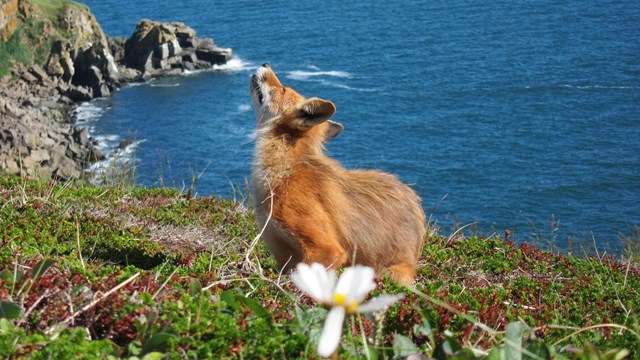
National Natural Landmarks Directory
An interactive map to explore NNL sites nearby or faraway

Explore America's Natural Heritage
Explore NNLs by the natural features they were designated for.
Why are NNLs Important?
National Natural Landmarks:
-
Highlight the best remaining examples of natural features in the country and sometimes the world!
-
Support science, education, and conservation.
-
Help protect our nation’s natural heritage for future generations.
Some NNLs are world-famous, like Diamond Head in Hawaiʻi or Okefenokee Swamp in Georgia. Others may be small, remote, or little known.

Above Summit; courtesy of The Trustees
What Qualifies as an NNL?
Sites considered for NNL designation include:
- Terrestrial and aquatic ecosystems
- Geological landforms and formations
- Fossil evidence of evolution or ancient environments
- Places that illustrate active natural processes.
Each site must be one of the best examples of its kind in its region, based on condition, rarity, and illustrative value. Learn more about the designation process.
Who Owns and Manages NNLs?
NNLs are unique! They can be:
- Owned by federal, state, local, or private landowners
- Managed as part of parks, wildlife refuges, or nature preserves
- Located on land that may or may not be open to the public
The National Park Service (NPS) does not own or manage NNLs. Instead, we work with landowners to recognize these important sites and support their voluntary conservation efforts. Learn more about the NPS NNL Program.
Can the Public Visit These Sites?
Not always. Some NNLs are open to the public, but others are on private land and not accessible without permission. Always check before visiting.
Have more questions?
Check out our Frequently Asked Questions for more information.
Last updated: December 3, 2025