



National Natural Landmarks (NNLs) are recognized as “nationally significant” for their outstanding biological and geological features within a natural region of the United States and its territories.

NPS
What qualifies a site to be considered for NNL designation?
To be designated as an NNL, a site must:
-
Represent a top example of a biological or geological feature
-
Be well-preserved and in good condition
-
Be rare or scientifically and educationally valuable
How does a site become an NNL?
Here’s a simplified look at the process:
Step-by-Step: How a Site Becomes a National Natural Landmark
-
Search and Identify: Experts review a natural region to find the best examples of biological or geological features.
-
Notify Landowners: When a promising site is found, landowners are informed and must give permission before any evaluation can happen.
-
Scientific Evaluation: Qualified scientists carefully study the site’s features and write a detailed report.
-
Peer Review: Three additional scientists review the report to make sure it’s accurate and scientifically sound.
-
Public Input: If the site meets national significance criteria, the public and landowners are invited to comment on the proposed designation.
-
Review and Recommendation: The National Park System Advisory Board reviews everything and makes a recommendation to the Secretary of the Interior.
-
Designation: The Secretary reviews all materials and recommendations and may officially designate the site as a National Natural Landmark.
- Notification: Landowners and the public are informed.
What are the Benefits of NNL Designation?
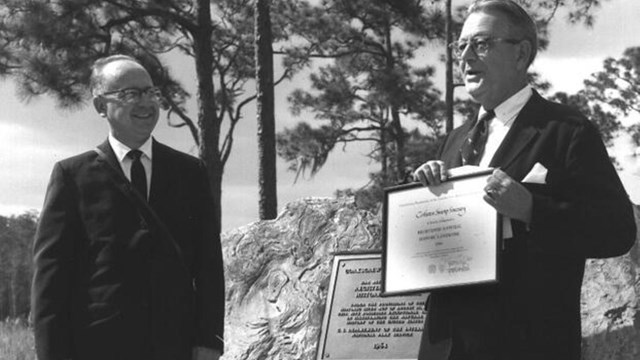
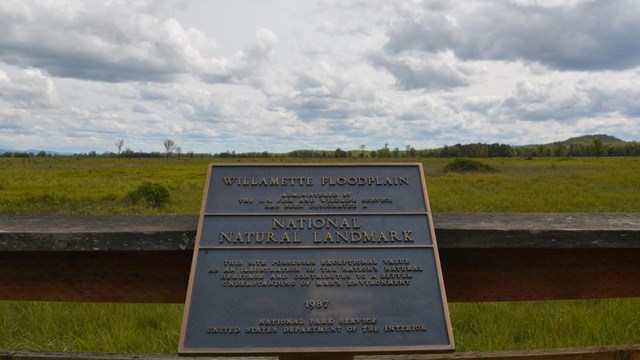
- Recognition: A plaque and a certificate honor the site’s national significance
- Support: NNL Program staff may help with conservation, grants, or technical advice
- Consideration in federal projects: If a federal project could impact an NNL, it should be reviewed under the National Environmental Policy Act (NEPA).
- Legacy: Being part of the NNL program helps preserve a piece of America’s natural heritage.
More Questions?
Have more questions about designation? Check out our Frequently Asked Questions for more information.
Or look through the regulations published in the Federal Register that direct the administration of the NNL program by the National Park Service.
Explore a Timeline of Designations
The First NNL Sites
Learn about the very first NNL sites designated in 1964.
NNL Site Designations (by year)
Discover NNL sites by designation year.
Last updated: December 3, 2025