



Last updated: April 27, 2026
Place
Rancho de Pérez
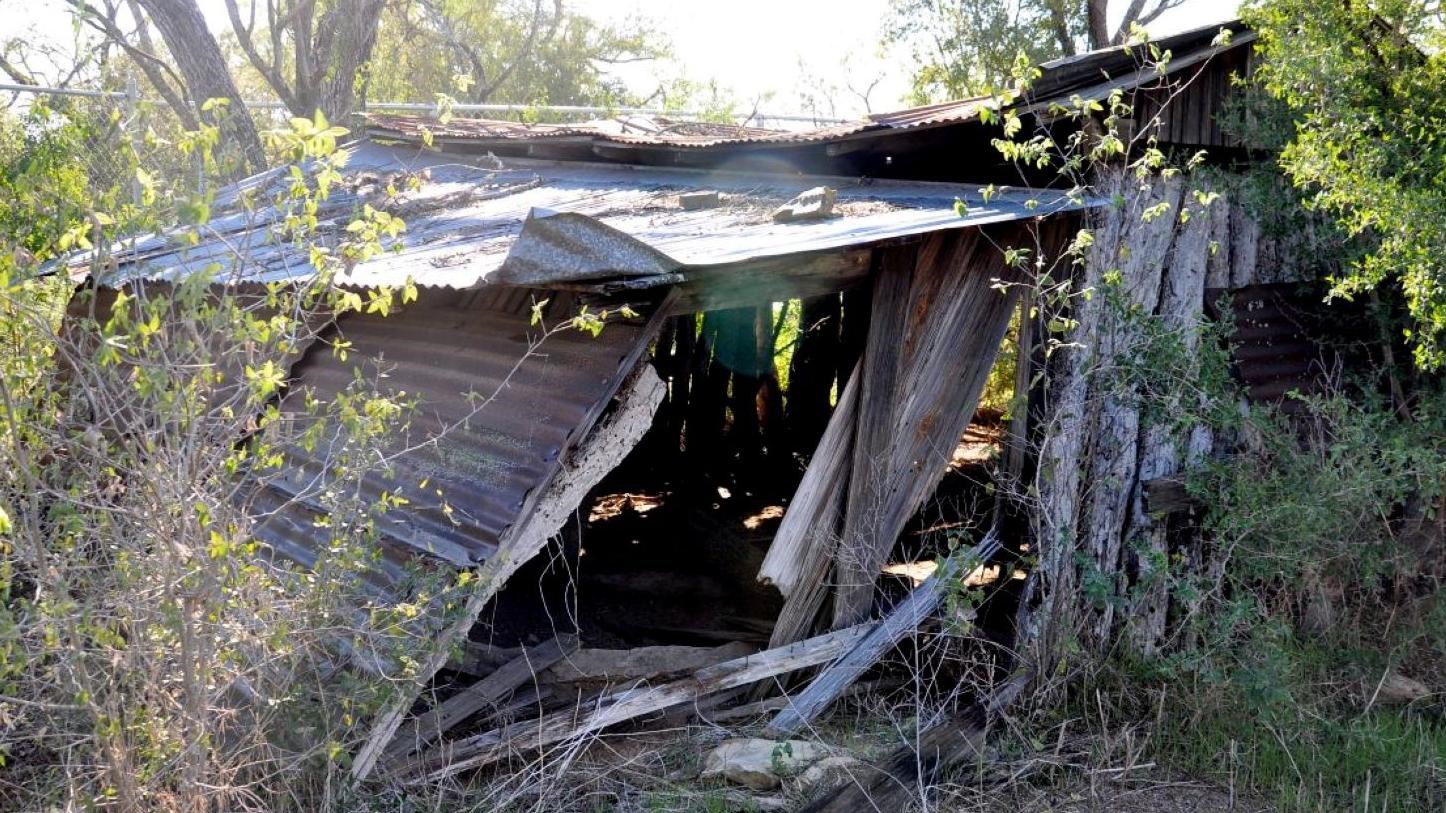
Photo/The Conservation Society of San Antonio
Quick Facts
Location:
In the Medina River Natural Area, approximately 2,000 feet west of Applewhite Road, San Antonio, Texas.
Significance:
The rancho was strategically located near San Antonio and over time was crossed by several roads associated with El Camino Real including Camino de la Pita, Palo Alto Road, Camino de en Media or Lower Presidio Road, and Laredo Road.
Designation:
National Register of Historic Places; State Archaeological Site; Historic site on El Camino Real de los Tejas NHT.
MANAGED BY:
Amenities
1 listed
Historical/Interpretive Information/Exhibits
In 1793, Juan Ignacio Pérez, a lieutenant colonel in the Spanish Army, established a private ranch along the banks of the Medina River, approximately 12 miles south of San Antonio. Known as Rancho Pérez, this homestead was among the first private ranches established in colonial Texas and endures today as a relic of the lifestyles and culture of elite Spanish Texans and the laborers who worked for them.
Pérez, the grandson of immigrants from the Canary Islands, was born in 1761 in San Antonio and quickly amassed notoriety and wealth as a cattle herder, trader, and military leader. His status among the settlers of San Antonio grew in 1781 upon his marriage to Clemencia Hernández, granddaughter of the first private rancher in Texas, Andrés Hernández.[1] Pérez took stewardship of the ranch lands along the banks of the Medina River in 1793, although the lands did not in fact belong to him. Rather, this acreage belonged to the padres of the Mission San José y San Miguel de Aguayo, and while the circumstances of the arrangement remain unclear, Pérez likely worked the land at the behest of the missionaries.[2]
It would not be until 15 years later, in 1808, that Pérez received two massive land grants—one for four leagues of land on the south bank of the Medina River and one for a league to its north. This nearly 20,000-acre rancho became a locus of trade and movement across El Camino Real de los Tejas. The property was not only bisected by the royal road but was also located near two important river crossings on the Medina: Paso Tranquetas and Paso Dolores (later known as the Dolores-Applewhite Crossing). This strategic location brought great wealth to the family and propelled Pérez himself into various important positions. A firm Royalist, in 1809 Pérez was appointed commissioner of all ranchos within his district, loyally serving the Spanish Army in several battles through the 1810s against pro-independence rebels, American filibusters, and Native Americans. Pérez also served as the interim governor of Spanish Texas from 1816-1817.[3]
Life at Rancho Pérez centered on agricultural production. While numbers of livestock fluctuated with weather and other circumstances, staff at the rancho typically raised around 5,000 cattle, 5,000 sheep, and 80 oxen annually. Much of the rancho’s yield was sent to feed the settlers in San Antonio, an important source of food, which allowed the city to survive and grow in its early years. Work on the rancho was overseen by a mayordomo or foreman who divided tasks among two types of laborers: vaqueros tended cattle and larger livestock, while peones, typically Native American ranch hands, herded sheep and saw to other daily tasks. Although laborers and their families lived on the property, the Pérez family only lived in their limestone ranch home for one year in 1812 before moving back to San Antonio for fear of Comanche raiding. Stock raiding by Comanches and other Native peoples forced the rancho to be abandoned three times in the ensuing years, once in 1813, again in 1824, and finally in 1839.[4]
Upon Pérez’s death in 1823, the rancho passed to his son, José Ignacio Pérez. Loyal to the Mexican government, the younger Pérez fled the property during the tensions of the Texas Revolution in the mid-1830s. When José Pérez returned to the rancho in 1846, much of the land had been taken over by Anglo-American settlers. The Pérez family regained ownership of much of the historic rancho in 1851 after a legal battle that went all the way to the Texas Supreme Court. They remained owners of the property throughout the twentieth century.[5]
While much of the rancho remains closed to the public, visitors to the Medina River Natural Area today can view the remains of the Pérez jacal, a goat herder’s shack that stands as one of the few remaining historic structures on the rancho. The jacal preserves the memory of not just the Pérez family, but the laborers and peones who worked on the ranch and helped build the family’s wealth.
Site Information
Location (in the Medina River Natural Area, approximately 2,000 feet west of Applewhite Road, San Antonio, Texas)
More site information
El Camino Real de los Tejas National Historic Trail
[1] Jack Jackson, “Pérez, Juan Ignacio,” Handbook of Texas Online, accessed December 04, 2023, https://www.tshaonline.org/handbook/entries/Pérez-juan-ignacio.
[2] National Park Service, National Register of Historic Places Registration Form: Pérez Rancho Site and Dolores Crossing, November, 2011, 16.
[3] Ibid.
[4] National Park Service, National Register of Historic Places Registration Form: Pérez Rancho Site and Dolores Crossing, November, 2011, 18-19.
[5] National Park Service, National Register of Historic Places Registration Form: Pérez Rancho Site and Dolores Crossing, November, 2011, 17.