



Last updated: October 1, 2026
Place
Quinnimont Missionary Baptist Church
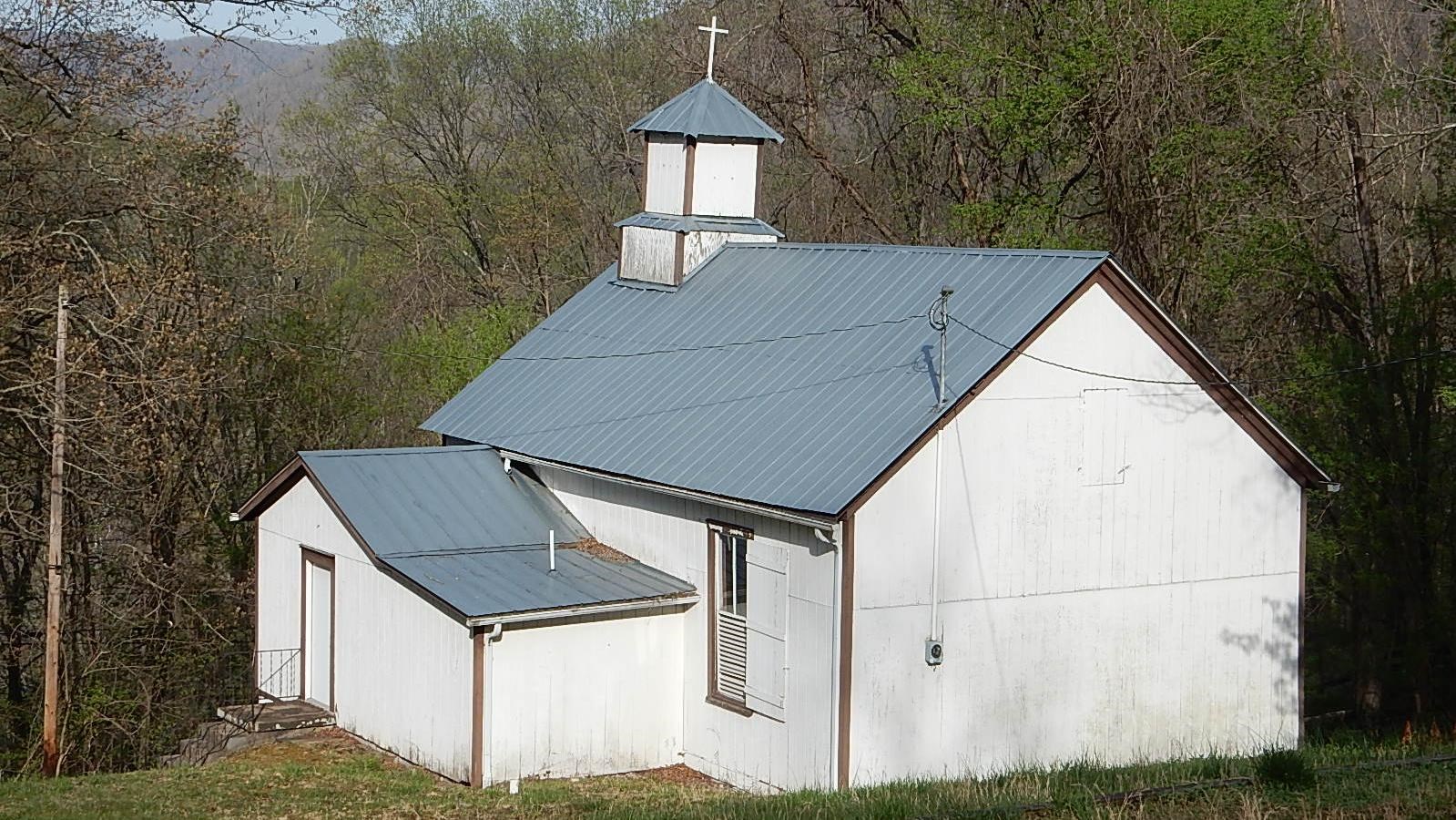
NPS photo
Quick Facts
Location:
Stanaford Road (Hwy 41), Prince, WV
Significance:
Quinnimont Missionary Baptist Church, established in 1880, was one of the first African American chuches in the New River Gorge.
Amenities
1 listed
Historical/Interpretive Information/Exhibits
African American Heritage Driving Tour Stop 1: Life in an African American Community
If using the NPS app, to listen to the audio narrative, press the green button below or read the audio narrative text below.
Audio Narrative:
Written by: Dr. Brucella Jordan
Narrated by: Dr. Brucella Jordan and Adrienne Jenkins/Joshua Flynn (quotes)
African American communities sprang to life in the coal camps and railroad towns of the New River Gorge in the late 1880s. These communities grew as more and more Blacks migrated to West Virginia in search of jobs. A source of both unity and heritage, Black communities provided the essential elements for everyday living and survival.
For the men, the community helped meet their economic expectations through work in the mines, on the railroad, in timber or rock quarries. It also provided a safe haven away from work. A place to be a family: to socialize, recreate, attend church, and relax. For the women, the community was their home and their job. They worked to maintain the home, take care of the children and performing household chores. The women shopped for groceries and other necessities. They fed the chickens, hogs and other livestock and often raised a garden. A few women were able to contribute to the household income as domestic workers in the homes of Whites or in service-oriented jobs.[1]
Having a religious affiliation and organizing a church was a significant element of the African American community. Most residents were Baptists who enthusiastically participated in church services on Sundays and throughout the week. The church, like Quinnimont Missionary Baptist Church, offered both spiritual and social activities weekly and throughout the year. These events regularly brought families and the community together. Important events included day-long Sunday programs, weekly socials, gospel sings and annual events. Helen Powell notes that at her church in Glen Jean, West Virginia,
“We would have cookies and ice cream for the kids on Children’s Day. There was always a Mother’s Day program and programs for Father’s Day. They would have big birthday dinners, and everybody would pitch in and bring a dish. It was like a community affair.”[2]
Living in an industrial setting did not totally eliminate agricultural pursuits within the Black community. A household garden supplemented the family income and added variety to the diet. On whatever space was available, African Americans grew vegetables. Small orchards of apple, pear, and cherry trees were common. Children and adults alike foraged for berries as they ripened during the summer months. Black walnuts and chestnuts were gathered in the woodlands during the fall. It was common to raise some kind of livestock, mostly chickens and hogs. All foods were eaten fresh, shared among community members or canned for winter use.
Most African Americans growing up in this region remember that the work was hard and at times life was tough. However, they also remember having fun and time for recreational interests. African American families loved to visit spending most Sunday afternoons with friends and family members. They enjoyed participating in baseball leagues, going to the movies, and attending musical events. Fishing and hunting were a pastime that many young boys and their fathers enjoyed doing together. Residents always looked forward to the annual visit of the Silas Green traveling minstrel show and its variety of Black performers.[3] Mr. Ellis Ross recalls some of his memories growing up as a child,
"Children attended 4-H camp during the summer at Camp Washington Carver. There were all kinds of quartets around town and people played different instruments. At times, it was just like a talent thing, but for self-enjoyment and entertainment. Back then you didn’t have a TV so they entertained themselves.”
Even though life for African Americans was at times very difficult, the support of churches, schools, and family built a strong community.
[1] Ibid, 272.
[2] Ibid, 291
[3] National Park Service, Ethnographic Report, 138.
Additional Information:
Industry came to Quinnimont in 1870 with the Quinnimont Charter Oak and Iron Company’s building of an iron furnace on Laurel Creek, which operated for three years. The main line of the C&O Railway was completed through the gorge in the spring of 1873, and by fall the first shipment of coal was transported out of Quinnimont, making it the first mining town of New River Gorge. The town boasted a general store, post office, baseball field, hotel, jail, and railroad boarding houses. Due to segregation, there were separate churches and schools that served the black and white communities. Housing of residents was strategically segregated between racial and ethnic groups: black from white, Welsh and English from Irish, and Italians from Polish.
As a direct result of the increasing numbers of African Americans in the New River Gorge vicinity, the New River Baptist Association was formed in 1884. A huge component of the African American community was organizing a church. Members were enthusiastic about attending Sunday services and other events. Black churches, like Quinnimont Missionary Baptist Church, served the spiritual needs of individuals within the community through regular Sunday meetings, by providing care and comfort for those in need, and supporting the significant cultural milestones of their members such as births, baptisms, marriages, and funerals.
For the full story go to Life in an African American Community: Quinnimont Missionary Baptist Church
Other Nearby Places of Interest:
Buery Monument
Prince Depot
Driving Directions:
Quinnimont Missionary Baptist ChurchPhysical Address: Stanaford Road (Highway 41), Prince, WV 25907
GPS Coordinates: N37.855641 W81.045615
From Beckley, WV Take Highway 41 north (Stanaford Road) to Prince, WV. Cross the bridge over the New River and pass the railroad depot in Prince. From the Depot, travel 7 tenths of a mile to the African American Heritage Tour Stop sign. Turn left onto the gravel road. Tour Stop #1 and parking are at the church buildings on the right.
From Fayetteville, WV Take Highway 19 south to the Greentown Exit. Turn left at the Greentown Exit onto Highway 16/61. Travel on Hwy 16/61 to Mount Hope, WV. Turn left onto Highway 61 toward Prince and Beckley, WV. Travel on Highway 61 to the three way triangle. Turn left on Highway 41 north to Prince, WV. Cross the bridge over the New River and pass the railroad depot in Prince. After the Depot, travel .7 tenths of a mile to the African American Heritage Tour sign. Turn left onto the gravel road. Turn left onto the gravel road. Tour Stop #1 and parking are at the church buildings on the right.
Directions to the Next Tour Stop:
Camp Washington Carver
Physical Address: Camp Washington Carver, Camp Carver Road, Clifftop, WV 25831
GPS Coordinates: N38.009119 -W80.970204
From Quinnimont Missionary Baptist Church return to Highway 41 and turn left. Travel approximately 19 miles to Clifftop Road and turn left. Travel 5 tenths of a mile and turn left onto Old Clifftop Road. Travel 1.5 miles and turn left at the Camp Washington Carver sign. Tour Stop #2 and parking is at the end of the road.
The requested video is no longer available.