



Last updated: June 11, 2026
Place
John Martin Reservoir State Park
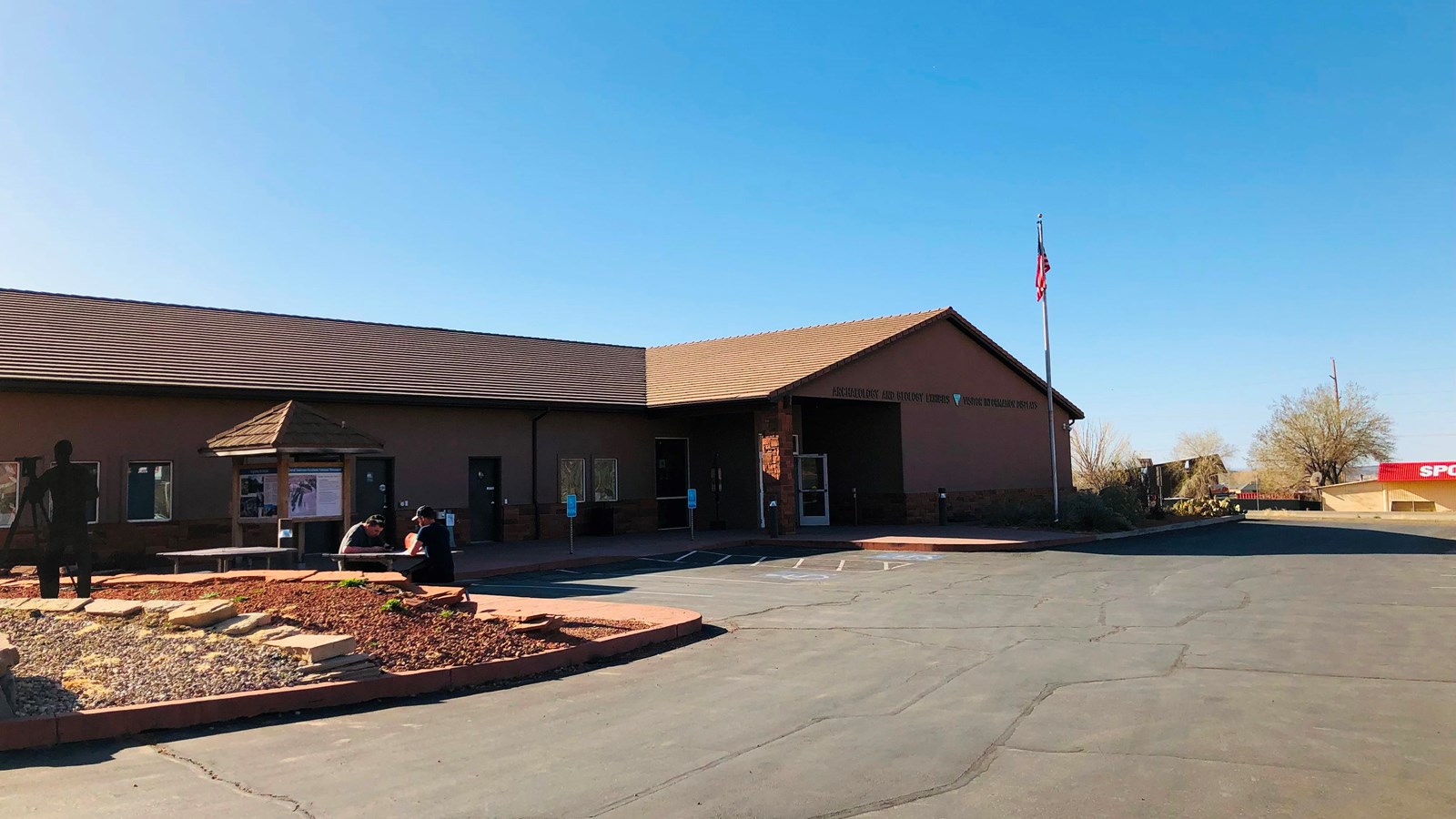
NPS Photo
Quick Facts
Location:
30703 County Rd. 24, Hasty, Colorado.
Significance:
Travelers of the Santa Fe Trail followed the Arkansas River near today's western end of John Martin Reservoir.
Designation:
Historic site on the Santa Fe NHT.
MANAGED BY:
Amenities
6 listed
Accessible Sites, Benches/Seating, Historical/Interpretive Information/Exhibits, Information, Parking - Auto, Restroom
Santa Fe Trail travelers followed the Arkansas River for much of the Mountain Route. The river became important for agriculture, and the John Martin Dam was built between 1939 and 1948 for flood control and irrigation. When full, the reservoir covers 30 square miles – the second largest body of water in Colorado. Most of the trail sites to the east and west are located on the Arkansas River and offer glimpses into the past.
Unlike the emigrant trails that took travelers west to Utah, Oregon, and California, the 900-mile Santa Fe Trail mainly handled commercial traffic. Trading caravans traveled back and forth between Missouri and New Mexico, a Mexican province and later a US territory. Trail use increased after New Mexico officially became part of the United States in 1848 following the Mexican-American War.
But the Santa Fe Trail was more than just a trade route. It connected New Mexico and Missouri to a larger commercial network including Chihuahua, Mexico City, New York, and London. As goods traveled along the trail corridor, so did culture and ideas. The Santa Fe Trail brought diverse peoples together and fostered the development of multicultural communities.
As trail travelers followed the Arkansas River near today’s western end of John Martin Reservoir, they had their first views of Pike’s Peak and the Rocky Mountains. It was an uplifting moment on the journey.
Like many other places along the Santa Fe Trail, southeastern Colorado changed rapidly after the arrival of the railroad in the 1870s. Supported by diverse traditions, cultures converged, towns grew, and regional industries matured.
Unlike the emigrant trails that took travelers west to Utah, Oregon, and California, the 900-mile Santa Fe Trail mainly handled commercial traffic. Trading caravans traveled back and forth between Missouri and New Mexico, a Mexican province and later a US territory. Trail use increased after New Mexico officially became part of the United States in 1848 following the Mexican-American War.
But the Santa Fe Trail was more than just a trade route. It connected New Mexico and Missouri to a larger commercial network including Chihuahua, Mexico City, New York, and London. As goods traveled along the trail corridor, so did culture and ideas. The Santa Fe Trail brought diverse peoples together and fostered the development of multicultural communities.
As trail travelers followed the Arkansas River near today’s western end of John Martin Reservoir, they had their first views of Pike’s Peak and the Rocky Mountains. It was an uplifting moment on the journey.
Like many other places along the Santa Fe Trail, southeastern Colorado changed rapidly after the arrival of the railroad in the 1870s. Supported by diverse traditions, cultures converged, towns grew, and regional industries matured.