



These curated stories explore in different ways how art and science in national parks help us learn about things that are important but often hard to see or recognize. The universe. Microscopic organisms with a big impact. Microplastics. The surfaces of other planets. Pollinator preferences. Secretive salamanders. Animals that steal food when we're not watching. Plants that look like they belong in a natural area but don't. How animals behave when people are absent.
-
Article 1: The Unique Photography Techniques That Help Preserve Spectacular Night Skies

Equipped with special cameras and gear, NPS scientists help parks counter the impacts of artificial light at night. They share tips for successful night sky photography. Read more
-
Article 2: Microbial Survival in Spacecraft Assembly Clean Rooms and Protected Landscapes

The ability to go dormant under stress may help microbes survive some of the most extreme conditions on—and off—Earth. Read more
-
Article 3: Adapting a Useful Fisheries Tool to One-of-a-Kind Landscapes

Two interns discover that, like the parks themselves, national park creel surveys are never the same. Read more
-
Carlsbad Caverns National Park
Article 4: How to Move Water Six Miles up a Mountain and Make Sure It’s Safe

Providing water to 400,000 park visitors a year at 4,000 feet in the Chihuahuan Desert is an engineering achievement. Testing that water gets help from a little insect. Read more
-
Padre Island National Seashore
Article 5: New Research Finds Microplastics on Sea Turtle Beaches

The study establishes a globally comparable database of microplastics. Read more
-
Article 6: Great Basin Geology and Art Team Up to Unlock Secrets of Mars and Moon

A Montana geologist and a professional oil painter join forces in the Great Basin Desert to help us understand the surfaces of other worlds. Read more
-
Article 7: Monarch Butterfly Survival Depends on More than Milkweed

A recent study reveals how shade and plant type can support these iconic native pollinators. Read more
-
Point Reyes National Seashore
Article 8: Surprise Sighting Sheds Light on the Lives of Elusive Salamanders

California giant salamanders are notoriously hard to spot in their earliest stages of life. A rare encounter offers clues on how to better protect them. Read more
-
Article 9: New Study Reveals How Campers Can Become Food Storage Champs
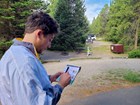
No one wins when wild animals are able to steal snacks. Recent research shows that social marketing—encouraging behavioral change for public benefit—can help national park campers hold on to their food. Read more
-
Delaware Water Gap National Recreation Area
Article 10: How to Build Adaptive Invasive Plant Treatment Programs
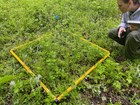
Trying out alternative, scientifically grounded techniques could save time and money and yield benefits that go beyond individual park boundaries. Read more
-
Yosemite National Park
Article 11: Wild Animals Show Many Different Reactions to People in U.S. National Parks
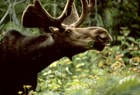
A new study reveals that the presence of people and human-made structures in U.S. national parks has long-lasting effects on how large animals behave. Read more
-
Article 12: A New, Safer Way to Monitor Bear Reproduction
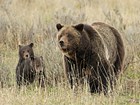
Computer models trained on bear collar data can accurately predict the presence or absence of cubs. Read more
Tags:
planetary analogs
monarch butterflies
california giant salamander
human wildlife interaction
food storage
bears
bear box
social marketing
invasive plant management
grizzly bears
polar bears
reproduction
bear cubs
ps v40 n1
wildlife space use
pollinators
micobes
caves
water supply
fisheries
creel survey
microplastics
sea turtles
night skies
night sky photography
dark night skies