



|
Alaska is a wild, wonderful place to visit, but it is important to know the hazards before you head out into the park. No matter your experience level, taking extra time to plan and prepare can be the difference between the adventure of a lifetime and tragedy. Remember, help may be days away. Always leave a trip itinerary that includes your backup plans with a friend or family member who can notify the National Park Service if you are overdue. Including details like the color of your tent fly, backpack, and raincoat can be especially useful during searches. Explore these topics to begin preparing for your Alaska visit. 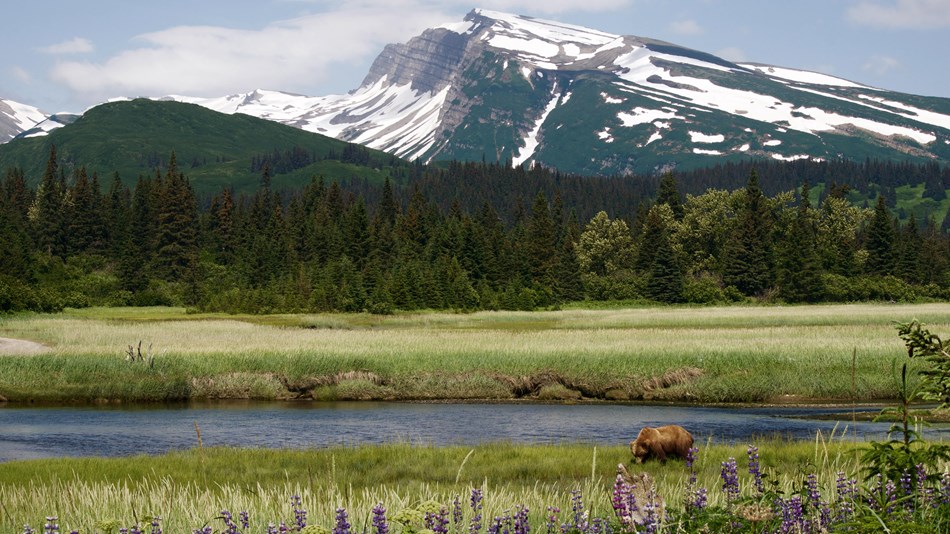
Wildlife SafetyWildlife Safety in Alaska's National Parks 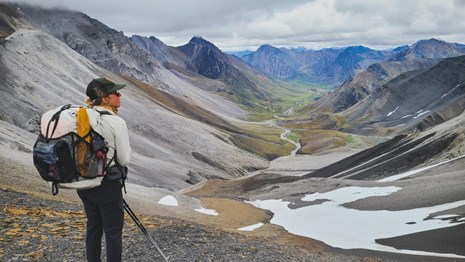
Appropriate GearLearn how to choose appropriate gear for Alaska's backcountry 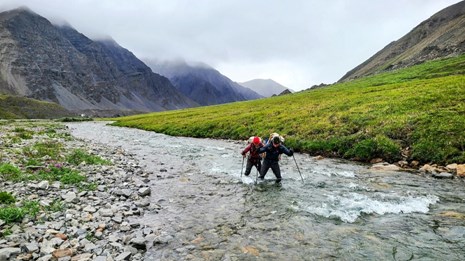
River CrossingLearn how to safely cross creeks and rivers 
Alaska WeatherLearn about weather in Alaska, route planning, and having a flexible itinerary 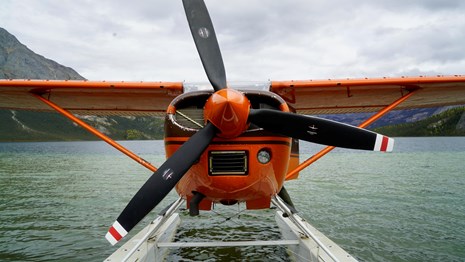
Aviation SafetyLearn about aviation safety in Alaska's national parks Wrangell-St. Elias is a unique mountain wilderness. Together with Kluane National Park Reserve in the Yukon Territory of Canada, Tatshenshini-Alsek Provincial Park in British Columbia, and Glacier Bay National Park and Preserve, it forms one of the largest road less mountain areas in the world and has been designated a World Heritage Site by the United Nations. There are very few maintained trails in the park/preserve, and access is by unpaved road, boat or aircraft. Prospective visitors are cautioned that this is a truly vast and remote area without the usual safeguards one expects in a more developed National Park Service area. In the event of a mishap, the opportunities for rescue and evacuation are slim and response time can be slow. Adequate preparation, experience, equipment and knowledge of extreme wilderness travel and survival skills are necessities. Equipment considerations should reflect the type of trip you are planning and must include emergency rations and gear for unexpected contingencies or delays due to weather. Before heading into the backcountry, visitors are urged to complete a Backcountry Trip Itinerary form. These forms are available from park visitor contact stations. You may stop by in person or request one through the mail. Most of the air taxi operators also have itinerary forms available. Additionally, always leave your route and expected time of return with a friend or family member. If you fail to check in from a backcountry trip, rangers will NOT initiate a search until a specific request from a friend or family member is made. 911 For All Emergencies
Requesting National Park Service Help
Crime Tips
|
 |
|
Last updated: April 26, 2022