
National Park Service LogoU.S. Department of the InteriorNational Park ServiceNational Park Service
National Park Service:  U.S. Department of the InteriorNational Park Service Arrowhead
Wrangell-St. Elias National Park & Preserve Hiking on the Root Glacier
view map
text size: largest larger normal
printer friendly
Wrangell-St. Elias National Park & Preserve
Kennecott Visitor Center
 
undefined
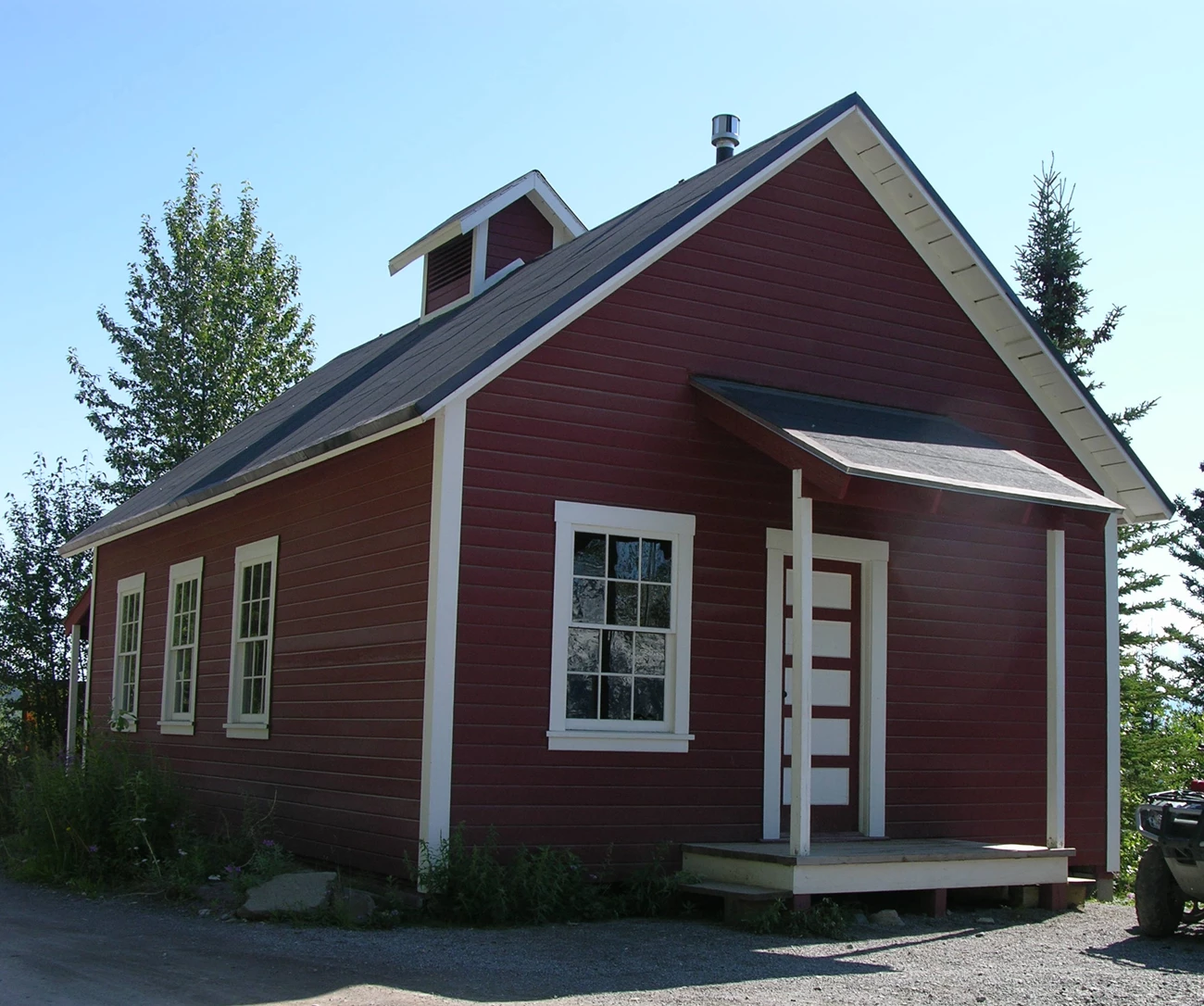
NPS Photo
The Kennecott Visitor Center is located in the historic train depot building within the Kennecott Mill Town.
 

Housed in Kennecott's historic general store, the Kennecott Visitor Center is your information hub for the Kennecott Mines National Historic Landmark in the heart of Wrangell-St. Elias National Park and Preserve.

Pick up maps, brochures, and trail descriptions, join a ranger for a history talk or nature walk, or plan your wilderness excursion. The visitor center also hosts a small branch of the Alaska Geographic's bookstore. Stop by to browse our collection.

Phone number:  907-822-7476

Open Memorial Day through Labor Day
Every Day 9:00am -5:30pm

The Kennecott Visitor Center is closed during the winter.
Kennecott Mill town is located 5 miles from McCarthy, with no vehicle access or shuttle service during the winter.  During winter, the only access to Kennecott is via foot or skiing the 5 mile road from McCarthy.

For information about the McCarthy Road Information Station, Click Here.

How Do I Get to Kennecott?
     Brochure on how to drive, ride, or fly to McCarthy/Kennecott.

Transportation to McCarthy/Kennecott
     Information about shuttles on the McCarthy Road.


Kennecott Mill Town Map
Map of all existing buildings
more...
 Ranger-Led Programs
Interpretive Activities!
Join a Ranger!
more...

You are exiting the National Park Service website

Thank you for visiting our site.

You will now be redirected to:

We hope your visit was informative and enjoyable.

Alaska Blackfish

Did You Know?
The Alaska Blackfish is unique because it has a modified esophagus capable of gas absorption, which means that it can exist off atmospheric oxygen. The Blackfish can live in oxygen-deprived stagnant tundra or muskeg pools and can also survive in moist tundra mosses for extended periods of time.

Last Updated: October 13, 2011 at 18:44 MST