• Visitors bask in a golden sunset at Dickey Ridge Visitor Center in Shenandoah National Park

    Shenandoah

    National Park Virginia

There are park alerts in effect.
hide Alerts »
  • Vehicle Fuel Available at Big Meadows ONLY!

    Vehicle fuel is only available at Big Meadows (mile 52). Gas service has been discontinued at the Loft and Elkwallow areas.

Nature & Science

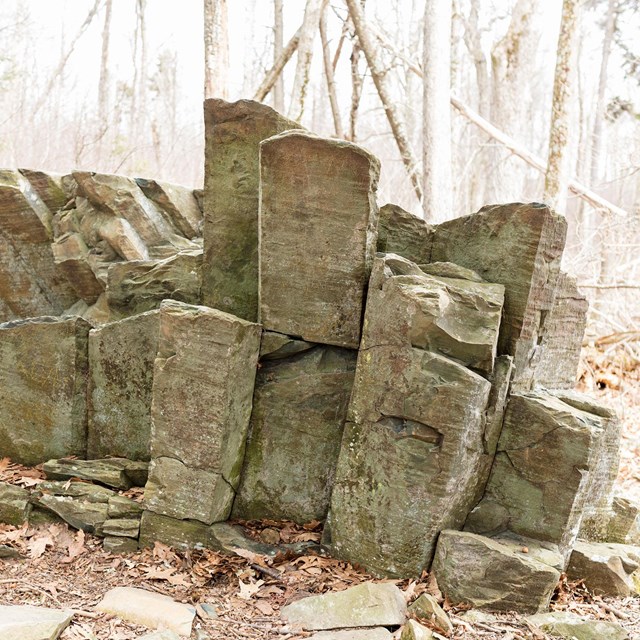
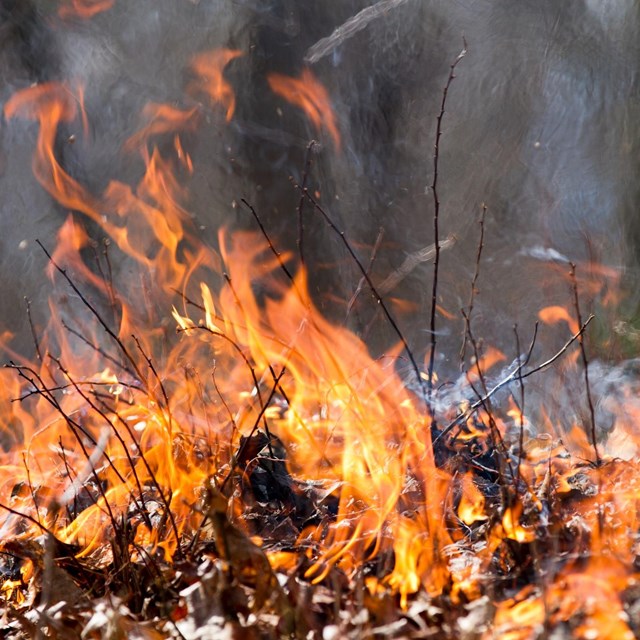
Natural Resources: a deer, a plant, ice storm, and rocks and mountains.


Shenandoah National Park includes 300 square miles of the Blue Ridge Mountains in the southern Appalachians. The park rises above the Virginia Piedmont to its east and the Shenandoah Valley to its west. Two peaks, Stony Man and Hawksbill, exceed 4,000 feet. The range of elevation, slopes and aspects, rocks and soils, precipitation, and latitude create a mix of habitats.

Tens of thousands of living creatures make their homes in the park, from black bear resting beneath rock overhangs, to tiny aquatic insects darting through cool mountain streams. The park's many worlds are fascinating to explore.

Most of Shenandoah's landscape is forested. In the process of photosynthesis, converting light, water, and minerals into foods, green plants give off oxygen. From a distance this air-born water creates a faint haze giving the Blue Ridge its name. In recent years, the haze has taken on other ingredients, introduced by humans. Air is among the resources the staff at Shenandoah National Park is duty bound to protect.

Hardwood forests dominate the park. The forests are the result of many disturbances, some measured in geologic time, others in minutes. Remnants of boreal forests remind us that continental glaciers came near. Strands of barbed wire embedded in trunks mark the edges of former pastures. Uprooted trees show the path Tropical Storm Fran made in 1996.

 
Red maple leaves in full fall color.

Did You Know?

A brown trail weaves through the woods, passing a rocky outcrop along the way.

Shenandoah National Park has over 500 miles of trails. Over 30% of the trails are in designated wilderness. 101 miles are part of the Appalachian Trail.