





Last updated: March 20, 2026

Start at the Park Visitor Center
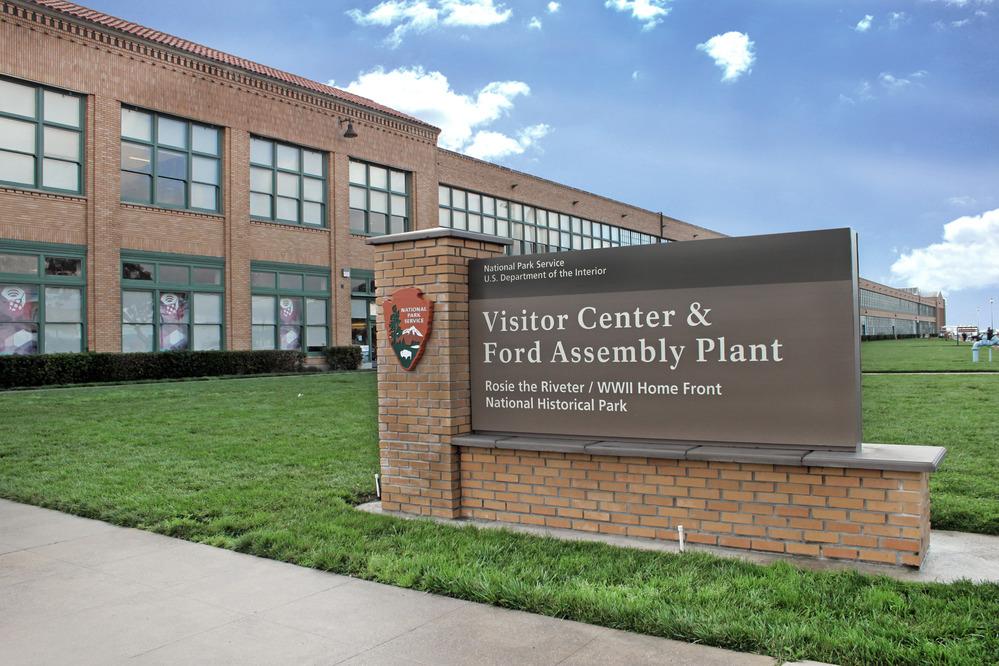
The Visitor Education Center is located on the waterfront in Richmond, California. Click to find more information about visiting our site.

We marked our 25th anniversary last year
Click to learn more.

Visitor Center Hours
The Visitor Education Center hours and operations can be found here.

Directions and Maps
Need directions to the Visitor Education Center or other areas of interest from the Home Front?

Pre-Visit Audio Programs
Curious about the park and WWII history? Discover more with our complimentary audio programs, designed to enrich your experience.

Over 20 Historic Places of Interest
The Richmond WWII Home Front provides a number of historic places to drive by, view or visit.

Self-Guided App Tours - Richmond
Want to explore the WWII Home Front sites of Richmond? Use the official NPS app for GPS and audio programs.

Education Opportunities For Your Class
Arrange to have your students visit us for an interactive and educational program.

History and Culture
Looking to learn more about the WWII Home Front? Start by clicking here.

Rosie the Riveter
Learn More about the Iconic Symbol of Empowerment.

SS Red Oak Victory Ship
Visit the SS Red Oak Victory Ship, which is docked in the Richmond Shipyard.

The Rosie the Riveter Memorial
Visit the Rosie the Riveter Memorial. Click for more information.

Betty Reid Soskin
Learn More about Betty Reid Soskin

Rosie Fridays
On most Fridays, you can visit with real Home Front workers from WWII. Please call the Visitor Education Center for schedule.